L-R: Elisabeth Moss, Kerry Washington and Kate Mara in ‘Imperfect Women’
Apple TV

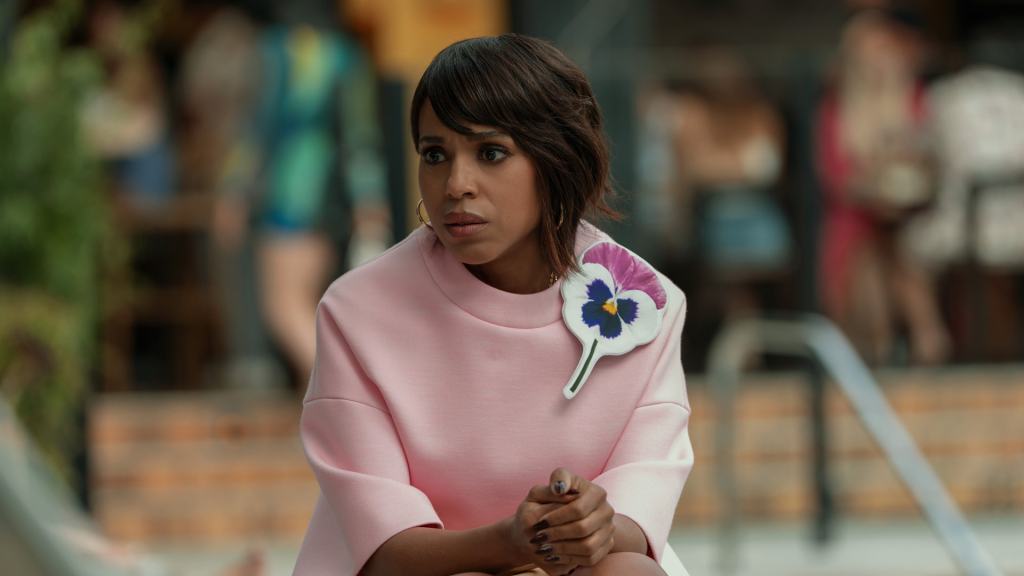
Imperfect Women star and executive producer Kerry Washington knows how rare it is to have a dream project greenlit in an industry that is struggling. “This is a challenging time in a lot of ways,” says Washington, who insisted that production of Apple TV’s psychological thriller series take place in Los Angeles. Being able to work with two female collaborators is equally a testament to Washington’s ability to create the working environment of her choosing. “I feel so blessed to be able to do what I love to do,” she says. “I want to do it with people I think can make me better and who I can make better.”
DEADLINE: How important is being a producer on your work — having control over not just your acting process, but over the project in general?
KERRY WASHINGTON: It’s pretty important to me. I still sign on for work that I’m not a producer on, but it has to be at a very high level and with partners that I really trust will allow me to be a collaborator, even if I’m not a producer. For example, working with Rian Johnson on the Knives Out film or working on Animals [with Ben Affleck], those are two directors I really respect and admire, and I believed that they would be great collaborators — and that I would learn a lot in the process that I could take back to the work that I do as a producer. But most of the work that I do now, I’m involved in either because Simpson Street is producing it, as with this show, or at least as an EP.
L-R: Elisabeth Moss, Kerry Washington and Kate Mara in ‘Imperfect Women’
Apple TV
DEADLINE: What reassurance does that give you on a project?
WASHINGTON: It allows me to have a voice in the creative process. It allows me to have agency and an opinion from everything from who’s hired, who are the department heads, who’s being cast, edits on the writing, post-production, the marketing plans. It allows me to collaborate and contribute at every stage of the process.
DEADLINE: Would you say that you and Elisabeth Moss are the top of the ladder on Imperfect Women?
WASHINGTON: I don’t know that either of us would use that language or that kind of a metaphor. We’re much more communal partners. Our production companies are the lead production companies. It started with her — she bought the rights to the book and brought me in. But Love & Squalor and Simpson Street have really linked arms to bring this show to life.
DEADLINE: What was it about Araminta Hall’s source material that you were drawn to?
WASHINGTON: I think, and we really tried to honor this in the show, it was extraordinary for both Lizzie and I to read this material, where you enter the story through one character’s point of view, and that feels substantive enough to be the entire story. And then suddenly it switches and you’re in the perspective of the dead woman. And then it switches again. That framework was so spectacularly creative, but also a really good exercise in the world right now, to remind ourselves that we may not understand the full picture of something until we allow ourselves to stand in someone else’s shoes.
DEADLINE: There are small nuances to how the characters change within the course of eight episodes. Who is Eleanor from the point of view of Eleanor?
WASHINGTON: Oh God, what an interesting question. In those first three episodes she really has a transformative journey, so I’m not even sure that she would answer that question the same way in Episode 1 that she does in Episode 3. What I really love is that by the end of the show it feels like you’re in, for the first time, a shared perspective of Eleanor and Mary (Elisabeth Moss). There’s a sense of self and clarity of identity that comes from both of these women grappling with the truth, and being willing to share their truths with each other and with themselves.
Elizabeth Moss anmd Washington in ‘Imperfect Women.’
Apple TV+
DEADLINE: As an actor, how aware were you of the differences in Eleanor as a character, depending on whether it was her own episode, Nancy’s (Kate Mara) or Mary’s (Moss)
WASHINGTON: We were very aware of it. And I came to the work in a very different way [depending on the episode]. By the time we were in Episodes 4 and 5, I knew that my job was to really support Kate Mara, because now she was holding the show. And then in 6 and 7, although 7 is shared, it was to really support Lizzie, because now she’s holding the show. That was also a joy — for each of us to step into the leading role, but then also very comfortably serve each other as we pass the baton, right until the end. And, then, it does really feel like Lizzie and I cross that finish line together, which is so fun.
DEADLINE: In a case like this, do you rely more on the writing or the directors, when it comes to those subtle character changes?
WASHINGTON: A lot of it is in the writing, and that’s part of why we worked so hard [on the scripts]. Annie Weisman, our showrunner, is fantastic, and Kay Oyegun was also with us on every episode. We had a great writers’ room. One of the things that we fought for at Simpson Street was making sure that there was real inclusivity in the writers’ room — that there were several perspectives and voices of color in the room. So, a lot of that is in the writing. And one of the things we thought a lot about, as producers, was making sure that we hired different directors so that each character has its own slight adjustment in directorial perspective. It feels like a cohesive show but you do feel the differences when it shifts from one character to another.
It’s a much more intimate complexity, a quieter complexity. For us, it was exciting to make sure that the stakes were still as high when the force that you’re up against is your own jealousy, envy, or desire, as opposed to the White House or Gilead.
DEADLINE: Lesli Linka Glatter directed the first episode. What is it like to work with her
WASHINGTON: It was so exciting. I’d never worked with her before. Lizzie had, either on The West Wing, Mad Men or both. As a producer, to get to hire the head of the DGA at the time…she’s such a legend and somebody I’d wanted to work with for a long time. When she said yes, it was really exciting for us. I think we all felt like, ‘OK, now we really have a show.’ I feel like I learned so much working with Lesli, the care that she takes and the clarity that she fights for. She’s an extraordinary inspiration — and also so resilient. The fires had just happened right before we started filming, and she lost everything. Lesli lost her house. I remember she had a meeting with Annie, and she called Annie and said, “I want to meet with you, but all of my notes burned in the fire, so I’m going to need another day.” Just one day. And they rescheduled for one day later. And she came and directed despite having just been through that.
L-R: Elisabeth Moss, Kerry Washington and Kate Mara in ‘Imperfect Women’
Apple TV
DEADLINE: There is a sense that female-led productions are now more common. In actuality, how unique is it to have a production like yours, with three female protagonists who are all on equal footing?
WASHINGTON: I feel like you think it is. We still get asked about it a lot, so I don’t think it’s as common as you think it is. Even the fact that we’re having this conversation means it’s not unnoticeable still. I don’t think it’s as outrageous as it was, even when Reese [Witherspoon] first started her production company or when Drew Barrymore first started Flower Films. We’re definitely living in a different landscape of actor-producers and female actor-producers creating work for themselves and other people. But I don’t think by any means we’re in a place of equitable production.
DEADLINE: Also, a complex female character used to be someone who was not purely in service of a male character, but it would also be one of extremes. With these characters, complex means something far more nuanced.
WASHINGTON: Yeah. It’s funny, I was saying to Kate and Lizzie that all three of us have had long, abundant careers, and the three of us have all played strong, complicated women. But, like you said, often those women were up against these larger-than-life forces, whether it was the entire state of journalism or the White House and the entire government, or the entire advertising industry. We’ve been up against these huge, big bads that are these external forces. And on the show, the big bad is really on the inside of all of us. What we’re grappling with is our own denial, our own fear of admitting who we are and what we want and who we love. It’s a much more intimate complexity, a quieter complexity. For us, it was exciting to make sure that the stakes were still as high when the force that you’re up against is your own jealousy, envy, or desire, as opposed to the White House or Gilead.
DEADLINE: Is it as an acting challenge more nuanced, more interesting or more difficult, when it’s something more interior?
WASHINGTON: It’s just different. I think for me, I have to mine my own emotional landscape with more diligence.
[Ben Affleck] was a director that I really admire, whose work I think has been spectacular throughout the years. The writing was great. The whole cast is great. And also as a producer, the opportunity to work with Artists Equity and to really be under the hood over there and see what they’re doing, what they’re creating.
DEADLINE: Was there a scene that you felt opened her up to you, where she was most authentically Eleanor?
WASHINGTON: I think the scene where she admits to her brother that she’s loved Robert (Joel Kinnaman) for as long as she has. Because that is the truth that she’s been suppressing for decades. And I think Donovan (Leslie Odom Jr.) becomes the first person that Eleanor risks being honest with to see if she’ll survive it. That leap into truth was very edifying for me.
DEADLINE: As an acting challenge, is it more nuanced, more interesting or more difficult when it’s something more interior?
WASHINGTON: It’s just different. I think, for me, I have to mine my own emotional landscape with more diligence.
DEADLINE: Was there a scene that you felt really opened her up to you, where she was the most authentic Eleanor?
WASHINGTON: I think perhaps the scene where she admits to her brother that she’s loved Robert (Joel Kinnaman) for as long as she has. Because that is the truth that she’s been suppressing for decades. And I think Donovan (Leslie Odom Jr.) becomes the first person that Eleanor risks being honest with to see if she’ll survive it. Taking that leap into truth was very edifying for me.
DEADLINE: On the show, she makes a terrible friend decision with Robert, but it’s one of the juiciest parts of the writing. How do you come to it, when you know it’s a horrible thing for a person to do?
WASHINGTON: It’s so funny, we used to argue about this all the time, because I’d be like, “Oh, it’s such a horrible thing she does.” And Kate Mara was like, “But she’s dead, who gives a sh*t.” It’s so funny, it depends on who you ask.
DEADLINE: Do you try to ground it in something or are you just like, look, the writing’s the writing?
WASHINGTON: No, every choice has to be grounded. You have to understand why the character does what they do. Because people don’t do bad things to be bad, people make difficult choices because they feel like they don’t have other options. Whether that’s fact or not, it’s how people feel. I always have to understand where the decision comes from, especially the bad decisions. I have to unpack, “What broken place is this decision coming from? What longing am I trying to feed or what wound am I trying to heal?” Because that’s why people make questionable choices.
It’s that old expression: “Hurt people hurt people.” So, I have to really understand, with a high level of compassion. If I’m judging my character, that means I’m outside of my character looking down on her. So, it’s not to say that I excuse all the behavior a character makes, but I have to at least understand it with a level of compassion and empathy.
DEADLINE: I love that Kate Mara was like, “She’s dead, you’re not cheating on anyone.”
WASHINGTON: [Laughing.] Yeah, she’s like, “Who cares, she’s gone.”
DEADLINE: What’s next? What was the draw to Ben Affleck’s Animals?
I mean, it was a director that I really admire, whose work I think has been spectacular throughout the years. The writing was great. The whole cast is great. And also as a producer, the opportunity to work with Artists Equity and to really be under the hood over there and see what they’re doing, what they’re creating. Because not only do I really admire and respect Ben’s work through the years, but what Matt [Damon] and Ben have created together is really exciting.
DEADLINE: Did it offer you a challenge that you haven’t encountered before?
WASHINGTON: Lots. It was one of the most emotionally rigorous jobs I’ve had, but also just the group of artists was so fun to work with.
DEADLINE: And then 24-7 with Eva, that’s a thing?
WASHINGTON: That’s not a thing, at the moment.
Read the digital edition of Deadline’s Emmy Preview magazine here.
DEADLINE: And Netflix’s An Innocent Girl?
WASHINGTON: That’s where I’m on my way to right now. I’m filming right now in New Jersey. And then this summer, Simpson Street is producing The Whoopi Monologues at Lincoln Center. We’re re-staging Whoopi Goldberg’s one-woman show from decades ago, but we’re doing it with a cast of five actresses to honor Whoopi’s legacy and that groundbreaking material.
DEADLINE: In terms of professional accomplishments, what does it mean to be able to do that?
WASHINGTON: For Simpson Street, we really love cultivating work in the theater space. It’s such an important narrative space to create work and to support artists. But also I’ve met so many actresses through the years who will tell you that they would not be doing what they’re doing if it were not for this one-woman show that Whoopi Goldberg created. From Tracee Ellis Ross, to Robin Thede, to Anika Noni Rose. I actually recently heard an interview with an actor… It was Pedro Pascal, quoting Whoopi’s one-woman show and the impact that it had on him as a child. So many of us can still quote you the show verbatim. I feel really excited to be able to honor Whoopi in this way. And to bring this material, a lot of it which is sadly still resonant and relevant, but to bring it to new audiences.

Welcome to a new chapter of Jordan greatness.
Jordan Brand is introducing the Air Jordan 41: a game shoe inspired by Michael Jordan’s legendary versatility and style, built with a future-forward philosophy that pushes the boundaries of technology and expression.
The silhouette’s introduction marks an evolution of Jordan Brand heritage design, blazing a new path to greatness that prioritizes performance innovation and modern style — redefining what it means to be a leader in basketball footwear and challenging opponents to keep pace.
“The Air Jordan 41 is a statement about where Jordan Brand is headed. It carries forward a legacy built on greatness, but it was created for the athletes, whose culture and style of play are defining the future of the game,” says Sarah Mensah, President, Jordan Brand. “This silhouette reflects our commitment to pushing performance innovation with purpose — delivering bold design, elite function and a point of view that only Jordan Brand can bring. It is more than the next Air Jordan. It is a signal of the next chapter of Jordan performance.”
The 41 is a testament to innovation, dominance and driving the future of the game — engineered for end-to-end dominance on the court, just like MJ himself.
Feedback from athletes at every level of the game, including MJ, Jordan Brand’s professional and collegiate roster, and players from Nike’s Elite Youth Basketball League, informed the design of a lighter and more responsive Air Jordan silhouette.
At the foundation of the Air Jordan 41 is the new-to-Jordan nano print mesh upper, engineered to deliver the lightweight containment and breathability demanded by today’s game.
The advanced woven construction helps reduce weight while creating targeted structure throughout the shoe, allowing athletes to move with confidence, precision and speed. By balancing airflow with support, the nano print mesh upper provides a secure, adaptive fit that helps players stay locked in through every cut, drive and defensive possession, reinforcing the Air Jordan 41’s focus on modern performance without compromising comfort.
“With the 41, we wanted to create an upper that could move with the athlete and feel lighter without sacrificing the containment and confidence they need to play at their best,” says Leo Chang, Senior Creative Director, Basketball & Sport, Jordan Brand.
“The nano-printed mesh allows us to engineer that balance, creating a material that feels light on the foot while providing targeted structure and support where players need it most. It’s a solution that reflects our ongoing pursuit of performance innovation, helping athletes move freely, react instinctively and stay locked into the game from tip-off to the final possession.”
The upper material also responds to a variety of graphic and color treatments. The cross-hatch print, with its two contrasting directions of lines, can each receive a color independently or cohesively. This allows for a number of different looks for the 41, both through graphic approaches and when in motion.
The 41 also features a full-length Zoom Strobel for underfoot responsiveness; a ZoomX midsole for industry-leading lightness and speed; and, in an evolution from the 40, adds an Air Zoom heel unit for enhanced impact protection. The addition of the Zoom air bag in the heel was inspired by Michael Jordan’s insights on the importance of defense and staying on your toes, and its cushioning ensures players can stay prepared to rock forward.
“The Air Jordan 41 prepares me for every movement; it gives me confidence in every cut, read and possession,” says Jordan Brand athlete Napheesa Collier. “When you trust your shoes like that, it makes all the difference.”
A carbon fiber and TPU shank provides stability, working in tandem with a full-length HART rubber herringbone traction pattern to enable rapid changes in direction. These features collectively modernize the shoe’s construction and ensure optimal comfort and performance for all hoopers.
The design evolution from the Air Jordan 40 to the 41 takes shape through both material choices and technological advancements. The new silhouette eschews the leather traditional to the Air Jordan lineage, opting for nanoprinting and thin textiles that create a lighter, nimbler feel. Details like a TPU window that exposes the shoe’s internal technology are reminiscent of a high-performance car, and while the shoe’s tech is sleek and understated on the surface, its sophistication is revealed upon closer inspection.
Each design element, from the asymmetrical collar to the metallic Jumpman hardware, signals Jordan Brand’s commitment to advancing the legacy of the Air Jordan lineage, setting the stage for the next generation.
“What I love about 41 is that it lets me play my game without thinking about what’s on my feet. It’s light and responsive, and it gives me the confidence to move how I want,” says Jordan Brand athlete Paolo Banchero. “When you’re competing at the highest level, those details matter, and the 41 delivers.”
This move beyond nostalgia and heritage is brought to life through colorways that follow a gemstone theme, each reflecting MJ’s mentality and personal symbolism, such as the Ruby launch colorway that calls to mind his legendary three-peats in Chicago. Upcoming colorways include an Amethyst style modeled on MJ’s birthstone, and Opal, which nods to his alma mater.
This seasonal color approach coupled with the performance-driven design positions the Air Jordan 41 as a true evolution for Jordan Brand, setting a new standard for basketball footwear.
“The 41 matches the way I like to compete. It’s built for players who impact the game on both ends,” says Jordan Brand athlete Stephon Castle. “I trust it every possession because it keeps me feeling quick, connected and ready to react. When you’re playing with confidence, you can focus on being aggressive and letting your game take over.”
The Air Jordan 41 debuts with a limited release in China on August 28, with a global release to follow.

CHIPPEWA FALLS, Wis. (WEAU) – A major development in the criminal case against the man accused of killing 10-year-old Lily Peters is taking place in Chippewa County Court.
“I think this tragedy opened up a lot of eyes to just how fragile things are for all of us,” Dana Whitcome, a stepmother of two of Lily’s siblings, said.
18-year-old Carson Peters-Berger appeared in person for the first time when he pleaded guilty to the charge of first-degree intentional homicide in the death of Lily Peters. Chippewa County Judge Steven Gibbs accepted the plea and convicted Peters-Berger of the crime. The other two charges of sexual assault were dismissed but read in. Judge Gibbs then sentenced Peters-Berger to life in prison with the possibility of extended supervision after 25 years.
“I believe in giving people a second chance after you paid your debt to society,” Judge Gibbs said. “While you were a minor when you committed it, it is still a very serious offense, and it shook this community.”
While going through the proceedings, Judge Gibbs asked Peters-Berger if he understood that by pleading guilty to first-degree intentional homicide, he would be admitting to killing Lily Peters and planning to do so. Peters-Berger said he did understand.
“I don’t think you get closure in the criminal justice system. It’s not set up for that sort of thing,” Chippewa County District Attorney Wade Newell said. “It’s one point in time that is now over with, but it doesn’t give you closure regarding what occurred because nothing that’s done here will erase what happened to the poor young girl.”
Family members of Lily Peters spoke in the hearing. They discussed the impact the loss had on their families in the community and shared how much they missed her.
“She was my light,” Kiara Stevens, a friend of Lily Peters, said. “There were times where I just didn’t want to do it anymore, but Lily was that kind of person that made you want to keep going.”
Those connected to the family also shared concerns about the possibility of Peters-Berger being eligible for release and the worries that another crime may be committed.
Peters-Berger did not wish to speak in the hearing
Lily Peters disappeared the evening of April 24, 2022, after leaving her aunt’s home in Chippewa Falls. Her family reported her missing that night. The following morning, volunteers searching the area found the 10-year-old’s body in a wooded area near a walking trail.
Peters-Berger previously pleaded not guilty in December 2024 to adult charges of first-degree intentional homicide, first-degree sexual assault causing great bodily harm and first-degree child sexual assault. A jury trial was initially scheduled for this November, but because of that hearing, that will no longer take place.
Newell was asked why the case was no longer going to trial. He said trials always present some risk as you don’t know how a jury will respond. He also said trials can be very traumatic for the family. Those close to Lily said they are relieved this chapter is over and are ready to continue healing
“We just look forward to moving forward in healing and sharing that spirit of kindness with everyone in Lily’s memory,” Whitcome said.
“Lily was an amazing person and what I hung onto the most was the happy memories instead of that last bad one I had of her,” Stevens said. “I just want to say it does get better. We do heal.”
Copyright 2026 WEAU. All rights reserved.



Welcome to a new chapter of Jordan greatness. Jordan Brand is introducing the Air Jordan 41: a game shoe inspired...


The latest Swedish-led search for technosignatures in the form of Dyson Spheres has again come up empty-handed. The two latest...


Keeping up with Kylie Jenner’s plastic surgery plans. The “Kardashians” star confessed on the “Better Half With Stas and Vic”...


CHIPPEWA FALLS, Wis. (WEAU) – A major development in the criminal case against the man accused of killing 10-year-old Lily...


Five Los Angeles-area members of Congress urged the Trump administration Wednesday to speed up $2 billion in transportation funding that...

State AlabamaAlaskaArizonaArkansasCaliforniaColoradoConnecticutDelawareFloridaGeorgiaHawaiiIdahoIllinoisIndianaIowaKansasKentuckyLouisianaMaineMarylandMassachusettsMichiganMinnesotaMississippiMissouriMontanaNebraskaNevadaNew HampshireNew JerseyNew MexicoNew YorkNorth CarolinaNorth DakotaOhioOklahomaOregonPennsylvaniaRhode IslandSouth CarolinaSouth DakotaTennesseeTexasUtahVermontVirginiaWashingtonWashington D.C.West VirginiaWisconsinWyomingPuerto RicoUS Virgin IslandsArmed Forces AmericasArmed Forces PacificArmed...


Rachel Reilly wants Dee Valladares and Rick Devens to succeed on “Big Brother 28” — even if that means “Survivor”...
The social media giant settled with 47 states, the District of Columbia and U.S. territories, and agreed to make major...


Quick Read NOW surged 29% in a month but remains 16% below its year-to-date open, with Wall Street consensus targeting...


The White House issued a statement on Tuesday that lists “facts” about how Canada has abused its trading relationship with...


Understanding the formation and evolution of galactic centers is a major challenge facing astrophysicists. For some time, astronomers have known...


Dolly Parton wore rhinestones and fringe, not a military uniform, but the American music legend spent decades finding her own ways...


NEED TO KNOW Khadijah Haqq filed for spousal and child support from her estranged husband, Bobby McCray She is requesting...


Daniel Flores, the LAPD officer who set off a political firestorm when he reported some of his police colleagues for...


FORT WORTH, Texas – Fort Worth firefighters battled a large fire at an apartment complex on the west side of...
The justices are still struggling with whether and when to explain themselves to the public when the court issues temporary,...


“It costs a lot of money to look this cheap,” Dolly Parton once famously said — but if you ask us,...

Changes are coming for the membership program of the New York Road Runners, as well as its 9+1 program. The...


A NASA-led team is hoping to take a short cut in directly imaging extrasolar earthlike planets. The idea is to...
Ocala police responded to a multi-vehicle crash Sunday night that temporarily blocked traffic at a busy intersection. The August 23,...


Actor John Cusack threw his support behind fellow Hollywood star Mark Ruffalo over the weekend as Ruffalo pushed back against Paramount’s accusations...


Two cars were involved in a rollover crash that sent 10 people to the hospital in Whittier on Sunday night,...


Spider-Man, Star Wars, Skittles and Ninja Turtles, oh my! This weekend is MLB Players’ Weekend, which allows players across the...
The state seeks to block plans for significant water use restrictions over the next decade.


SIMI VALLEY, Calif. (KABC) — A high school football coach in Simi Valley was fired after a video surfaced showing...


Virtual Reali-Tea’ Awards 2026 nominees revealed — vote now for your favorites Next Previous


In 1969, Roger Penrose (yes, that Penrose, the one who would later win a Nobel Prize) worked out a way...


‘The Cowboys ARE Super Bowl contenders’: Why Dallas can win it all in 2026 The Sports Seriously NFL crew breaks...


The Vans Warped Tour continued its 2026 run this weekend in Montreal with legendary acts like A Day To Remember,...


The Sept. 5 season opener against Morgan State is fast approaching. Coach Kenny Dillingham’s Arizona State Sun Devils scrimmaged at...


Three rescued beluga whales have arrived at SeaWorld San Diego after traveling more than 2,500 miles from Canada following the...


NASHVILLE—For the third straight year under head coach Mike Macdonald, the Seahawks hit the road for a joint practice, taking...
The Hawk fire has burned over 13,000 acres and is encroaching on the northern part of the city. About 42,000...


Melissa Gilbert fiercely advocated for child stars to be protected after Hayden Panettiere tragically died last week “Within one year,...


El Barcelona ofreció este domingo por la mañana la convocatoria para el encuentro de esta noche contra el Elche, a...


Astronomers have been intrigued by a certain type of binary systems that pulse with long-period bursts of radio waves. These...


Former Miss Universe Contestant LaToya Malcolm (Photo: Miss Universe Jamaica Instagram page) Member of Parliament and Minister of State in...


A 52-year-old Moreno Valley man has been arrested as a suspect in the shooting death of a 17-year-old, the Riverside...


Peta Murgatroyd revealed she and her family — including husband Maksim Chmerkovskiy — are enjoying a “great lifestyle” in Florida...


The Los Angeles Chargers today signed wide receiver Liam Clifford. In a corresponding move, the team waived/injured wide receiver Luke...
It’s time to combat commercial surveillance with stronger laws on fair pricing.


Two years into his NFL career, it’s not exactly looked promising for Michigan hero J.J. McCarthy. The 2023 national championship-winning...


Barry Manilow has pulled the plug on more shows at the last minute, prompting renewed concern about his health following...


Billions of years ago, Mars was hypothesized to have been a habitable world with flowing liquid water and the potential...


Spelling Bee is the New York Times‘ daily word challenge that gives you seven letters and one simple rule: every...
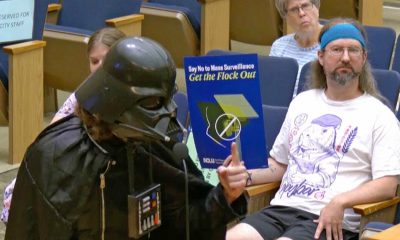

In a galaxy not so far, far away — well, in San Diego — the controversial police use of Flock...


In the new movie The Rivals of Amziah King, which opened in theaters last week, Matthew McConaughey plays the titular...


Taylor Sheridan is facing a copyright infringement lawsuit after a writer claimed he lifted the general concept for his hit...


October baseball has a way of exposing teams’ weaknesses. For the Brewers, one of the biggest questions (as they steam...
The duchess’s representatives have had exploratory talks about her joining a third season of “The Gentlemen,” two people said. Netflix...


“I’m coming back. Here we go.” With those six words, Carlos Alcaraz bent the tennis universe back his way Thursday,...


Over the last three decades, computer models of forming planetary systems have gone from being fairly crude replications to sophisticated...


Lesley Vogel released a new statement regarding daughter Hayden Panettiere’s death — after sparking backlash with her initial comments. “Although...


This continues our focus on giving each Call of Duty game its own distinct identity. Modern Warfare 4 launches with an entirely redesigned UI,...


After an abnormally warm winter and a blistering March heat wave, California has seen a surge in mosquito activity that...


A compliment from Steve Harvey and a question about bad breath are enough to leave anyone speechless. Celebrity Family Feud...


Def Leppard’s Vivian Campbell shared that his cancer has returned after undergoing a donor transplant last year. The guitarist, 63,...
Prince Harry and Meghan Markle self exiled to the ultrawealthy enclave of Montecito in 2020. “They wave. They drive. They...


Oba Femi has had a breakout year for WWE, enjoying a magical run through the main roster that has seen...


(This is Part 4 of a series on what we can actually find on an exoplanet. Read Part 1, Part...


Tim Robbins has a blunt message for Democrats. The Oscar winner criticized the state of Democratic politics, arguing that the party...
Access Denied You don’t have permission to access “http://www.cricinfo.com/series/caribbean-premier-league-2026-1534175/st-lucia-kings-vs-guyana-amazon-warriors-11th-match-1534189/match-report” on this server. Reference #18.90f0317.1787220659.53ff8d13 https://errors.edgesuite.net/18.90f0317.1787220659.53ff8d13 Source link


Los Angeles Mayor Karen Bass and City Councilmember Nithya Raman slammed each other Wednesday over their handling of homelessness, public...


SAN FRANCISCO – With every stop, strip and steal, Gabby Williams has become the rarest of basketball archetypes. In a...


Tom Holland’s massive payday for ‘Spider-Man: Brand New Day’ revealed (Video) | Page Six Next Previous
New York City says the Council’s legislation violates collective bargaining law. The dispute could set up the first high-profile battle...


The pitching matchup for the finale is an intriguing one. Lefthander Payton Tolle will get the start for the Sox....


Madelyn Cline put her own spin on contemporary sultry style in Siedrés for Saturday’s “Outer Banks” Season Five “Pogues For...


(This is Part 3 of a series on what we can actually find on an exoplanet. Read Part 1 and...
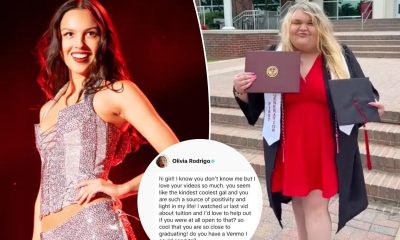

It’s not a “bad idea, right?” Olivia Rodrigo secretly helped a University of Alabama student graduate when she paid for...


--> Rumor has it that barring a miraculous turnaround in the AL West or AL Wild Card race — both...


A showdown is shaping up between San Diego’s Board of Supervisors and the Sheriff’s Department over whether federal immigration agents...


Somewhere in the bowels of Palms Casino Resort, just off the Las Vegas Strip, is a recording studio that has...
The only member of the Texas power trio without a beard, he propelled the band’s blend of boogie, Southern rock...


Rosie O’Donnell is back in the hosting seat. Nearly 25 years after “The Rosie O’Donnell Show” went off the air,...


Bristol, CT – August 13, 2012 – ESPN Studio B: George Grande (l) and Bill Rasmussen during a promo for...


(This is Part 2 of a series on what we can actually find on an exoplanet. Read Part 1 first.)...


Dave Marsh, a longtime music critic who wrote several influential books about Bruce Springsteen, including the early biography “Born to...
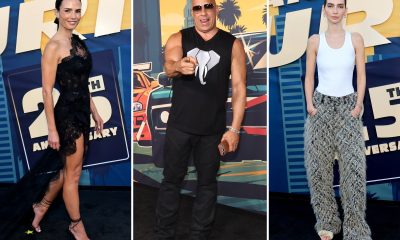

The 25th anniversary special screening of “The Fast and The Furious” was held in Los Angeles on August 17. Stars including Vin...


A series of powerful hurricane-driven swells have surfaced forgotten remnants of Newport Beach’s infrastructure that lay buried beneath sand and...


NEWYou can now listen to Fox News articles! Talk show legend Oprah Winfrey distanced herself from Dr. Phil McGraw and...
Ukrainian drone teams have a powerful new tool: near real-time information on troop movements and locations.


Warning: Major spoilers ahead for “House of the Dragon” season three. As season three of “House of the Dragon” comes...


Isla Fisher braves a rainy day in NYC, Dua Lipa snaps a selfie and more snaps…


In 1990, the Voyager 1 spacecraft, then six billion kilometers from Earth and destined to become humanity’s most far-flung emissary,...


Nate Bargatze and his “Big Dumb Eyes” just set a Guinness World Record. The Tennessee-born comedian has officially sold the...
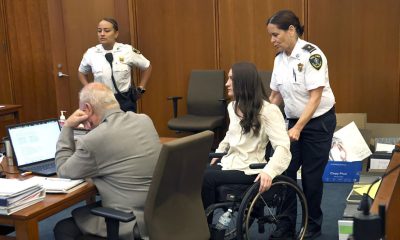

Lindsay Clancy is charged with murdering her children. Her defense argues she was suffering from severe postpartum mental illness. David...


A Southern California man who killed his mother, dismembered her corpse and left the remains in a dumpster near their...


Hayden Panettiere, an actress best known for her starring roles in “Nashville” and “Heroes,” has died. She was 36. “It...


His lungs turned fibrotic and what followed was, in Olson’s words, “a long, slow, miserable event.” Doctors intubated and sedated...
Since last week, hazardous weather has caused seven deaths, forced people from their homes and required some to be rescued...


Nick Reiner’s request to gain access to his $1.5 million trust to cover his court fees and commissary items has...


FOX Business contributor Josh Schafer discusses the California Democratic Party’s endorsement of a billionaire tax and raises questions on the...


Every so often a piece of research comes along that isn’t really about a discovery, it’s about a mistake we...


Taylor Farms can’t catch a break this summer—and neither can we. Hot on the heels of the ongoing Cyclospora outbreak...


Hurricane Lala disrupted travel between Los Angeles and Hawaii on Saturday, canceling flights from LAX to destinations across the islands...


Selena Gomez’s lawyer didn’t mince words in his response to the lawsuit against the singer and her mother, Mandy Teefey,...


RENTON, Wash. — It’s one of the more interesting position battles for the Seahawks this training camp. Gone is Super...
The police said a man on Friday night struck a congregant at the prominent Upper East Side synagogue, as Jews...


LAKE FOREST, Ill. — How thin is the Bears’ secondary after a spate of injuries happened during training camp at...


Star snaps of the week: Bella Hadid, Gigi Hadid, Cardi B, Anne Hathaway and more Martin Short sneaks up on...


Taylor Swift and Travis Kelce are finding that married life is “Actually Romantic.” “They’re both just so excited that they’re...


Kenan Thompson was “hit hard” by the death of his former “All That” co-star Christy Knowings, who died Tuesday at...


Warning: The content below contains graphic details. Perez Hilton (real name: Mario Armando Lavandeira Jr.) remains hospitalized after his devastating...


Travis Barker is opening up like never before. The Blink-182 drummer stars in the new Hulu documentary, “Travis Barker: Louder...


Ariana Grande officially hard-launched her on-again boyfriend, Ricky Alvarez, on Instagram. The “Petals” songstress took to the platform Wednesday to...


Former child star Michael Fishman became emotional while laying out his thoughts on the “Roseanne” reboot’s cancellation back in 2018....


Lizzo posed poolside in a sparkly purple Yitty string bikini to celebrate “Fat Liberation Month” on Sunday. Instagram/lizzobeeating Lizzo has...


Jessica Alba is packing plenty into the final stretch of summer. The 45-year-old actress shared a series of photos highlighting...


Shots fired. Keke Palmer shared a cryptic message about her dating life amid her alleged romance with “Hot Ones” host...


Warning: Spoilers ahead! Do not proceed unless you’ve watched the Season 3 finale of “House of the Dragon.“ “House of...


“Highlander” actor Christopher Lambert suffered a medical emergency while attending the Steel City Comic-Con in Pittsburgh. At the annual convention...


QVC host Toni Brattin has publicly commented on her viral on-air blooper that saw her mistakenly refer to a “blowout”...


“The Simpsons” could have an end date in sight — at least according to one of its longtime stars. Nancy...


Reese Witherspoon’s father, John Draper Witherspoon, was rushed to the hospital Friday, Page Six can confirm. A source tells us...


Country singer Hannah Dasher revealed that a famous, married celebrity once slid into her direct messages on social media, but...
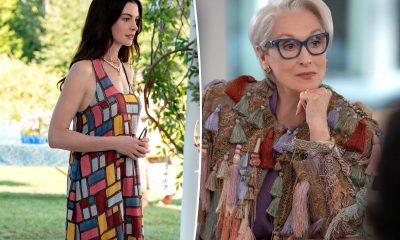

Christie’s is auctioning off a slate of costumes and accessories from “The Devil Wears Prada 2,” including this colorful Gabriela...
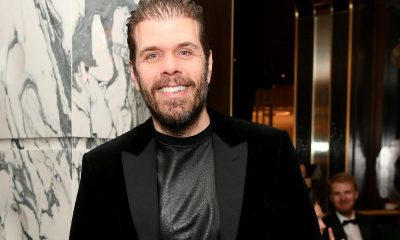

Perez Hilton’s family is sharing another update on the celebrity blogger’s condition one day after his “suicide attempt.” “This has...
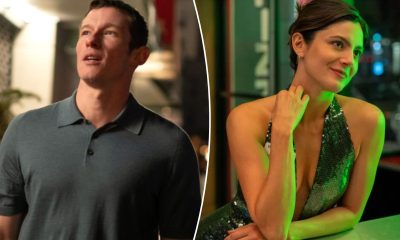

movie review ONE NIGHT ONLY Running time: 102 minutes. Rated R (sexual material, language, and brief nudity). In theaters Aug....


Barry Manilow abruptly canceled his Tuesday night concert in Lexington, Ky., marking the second time the show has been postponed...


Another candle on the cake. Meghan Markle took to Instagram Tuesday to share photos of her jumping into a pool...


Actress Mary Rivera has died. Rivera, known for her role in 2021’s “Spider-Man: No Way Home” as the character Ned...


Emily Ratajkowski packed multiple wraparound bikinis for her recent trip to Greece. emrata/Instagram Instagram’s bikini queen is back. Emily Ratajkowski...


James Van Der Beek’s widow, Kimberly, shared a touching message about the actor on what would have been their 16th...


Modest Mouse has booted guitarist Simon O’Connor from its upcoming North American tour after he was accused of sending inappropriate...


The “Sopranos” cast is mourning the loss of one of their own. Shortly after news broke that Vincent Pastore, who...


Slipknot has fired DJ and keyboardist Sid Wilson after nearly 30 years — and just months after the rocker’s split...


Authorities have released the full contents of the alleged ransom notes sent after Nancy Guthrie’s disappearance from her Arizona home...


Shania Twain revealed that she grew up in a “very violent” home where she and her sisters were physically abused...
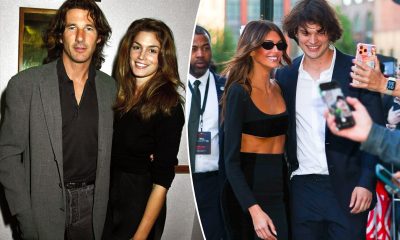

It’s a match made in nepo-baby heaven. At “The Shards” premiere, Kaia Gerber dished to Entertainment Tonight about working with...


Country star Megan Moroney was forced to cancel her Colorado concert mid-set on Tuesday night, telling fans through tears she...


Page Six may be compensated and/or receive an affiliate commission if you click or buy through our links. Featured pricing...


Page Six may be compensated and/or receive an affiliate commission if you click or buy through our links. Featured pricing...


‘Baywatch’ star Brooks Nader is red hot for summer and more star snaps Brooks Nader sizzles on the beach while...


While A-list celebs from Ryan Gosling to Johnny Depp appeared at San Diego Comic-Con to promote their blockbuster studio projects,...
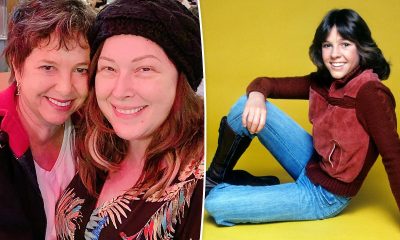

Carnie Wilson had a “fangirl” moment with Kristy McNichol decades after the actress’ retirement. “Totally fangirling!!!” the singer, 58, recently...


Usher quickly put a stop to sexily serenading a fan onstage after she got visibly uncomfortable. In a now-viral moment...
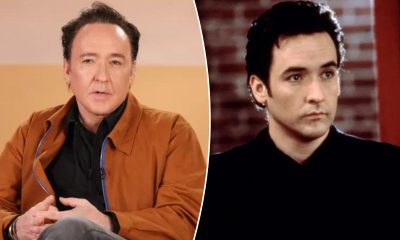

John Cusack opened up about why he’s largely taken a step back from Hollywood. The “Being John Malkovich” star, 60,...


Kelly Clarkson defended her right to remain single during a recent Las Vegas residency show. “People are like, ‘Oh, why...


Eric Dane believed that “Euphoria” was “the most profound experience” of his career. Dane appeared in the documentary special, “Euphoria:...


Bret Michaels revealed he underwent an unexpected surgery after experiencing “intense” pain from a kidney stone. The Poison frontman, 63,...


Johnny Depp stunned fans by showing up at San Diego Comic-Con Thursday dressed as Ebenezer Scrooge. The “Sleepy Hollow” actor...


Kayla Nicole is ready to sashay into the ballroom. “Kayla Nicole would love to appear on ‘Dancing With The Stars.’...


Chadwick Boseman’s family members are feuding over his estate, nearly six years after his tragic death. According to documents obtained...


Heidi Montag is back in her pop star era. The “Hills” alum channeled Barbie as she performed an hour-long set...


Zendaya is happy to let everyone know she’s off the market for good. The “Dune” actress, 29, had the perfect...


The deaf actress played Jia in the 2021 movie, reprising the role in 2024 for “Godzilla X Kong: The New...


“90 Day Fiancé” star Armando Rubio emotionally shared that his daughter, Hannah, has been discharged from an Arizona hospital after...


Vice President JD Vance’s brood just got bigger. The politician’s wife, Usha Vance, has given birth to the couple’s fourth...


Madonna, BTS, Shakira, and Justin Bieber had some tricks up their sleeves…
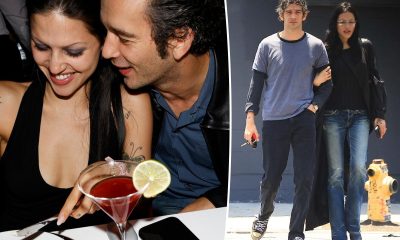

Matty Healy and Gabbriette Bechtel are married. The 1975 frontman, 37, and the model, 28, tied the knot Saturday in...


The crazed man who stormed the “Today” show set on Thursday was seen in the background of one of the...


Savannah Guthrie is skipping town just one day after an intruder lunged at co-anchor Craig Melvin at the “Today” show...


Kyle and Kristin Juszczyk both summed up Taylor Swift and Travis Kelce’s recent nuptials with one word: “Legendary.” “It was...


Seth Rogen admitted he couldn’t stop thanking and apologizing to Penélope Cruz while filming a sex scene for their new...


Page Six may be compensated and/or receive an affiliate commission if you click or buy through our links. Featured pricing...


New York Knicks point guard Tyler Kolek is hoping NFL legend Tom Brady will join celebrity row next season. “He’s...


Page Six may be compensated and/or receive an affiliate commission if you click or buy through our links. Featured pricing...


Zendaya made a show-stopping appearance at “The Odyssey” premiere in New York City, donning ethereal angel wings on the red...


Comedian Tom Segura hinted at his split from wife Christina Pazsitzky by not wearing his wedding ring on his latest...
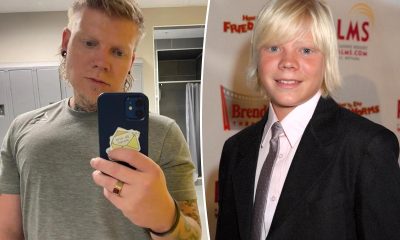

“How to Eat Fried Worms” star Blake Garrett’s cause of death has been confirmed. The former child star died on...


Jay-Z’s final concert as part of his three-day Yankee Stadium residency was marred by hours-long delays – after hordes of...


Amid reports that Sacha Baron Cohen is secretly filming a new Ali G movie, the star showed up dressed as...


Aaron Lewis is opening up about why he thinks industry executives have cast him aside. During a recent interview on the...


Bunnie Xo doesn’t want her painful divorce from Jelly Roll to be a “permanent headline.” The influencer addressed taking down...


Randolph Mantooth, the actor best known for playing firefighter-paramedic Johnny Gage on NBC’s hit 1970s series “Emergency!,” has died. He...


Prince Harry and Meghan Markle’s kids reunited with their grandfather King Charles for first time in four years, Page Six...


Where there’s smoke, there’s fire. “Real Housewives of Orange County” star Jennifer Pedranti confirmed the “rumblings” Thursday that one of...


Dakota Mortensen was scolded by a judge for driving his and Taylor Frankie Paul’s 2-year-old son, Ever, on a motorcycle....

Justin Baldoni is speaking out after settling his long legal battle with Blake Lively. In a video the “Jane the...


Charles Barkley revealed that he turned down an invitation to attend Travis Kelce and Taylor Swift’s New York City wedding....


Bunnie Xo has moved on from her split from Jelly Roll with a much younger man. The “Dumb Blonde” podcast...


Prince Harry marked his return to the UK by supporting his dear friend Misan Harriman during Monday night’s premiere of...


No reservation? No safety! A violent thunderstorm wreaked havoc in Sag Harbor on Saturday amid July 4 celebrations, tearing trees...


Lionel Richie thanked his fans for their support after suffering a health scare on stage which forced him to cancel a string...


Chris Pratt and his wife, Katherine Schwarzenegger, were feeling patriotic as they celebrated the Fourth of July with family. Pratt,...


Taylor Swift’s former teacher died on the same day as her wedding to Travis Kelce in New York City. Kirk...


Selena Gomez wore a gold Oscar de la Renta gown to Taylor Swift and Travis Kelce’s wedding. Instagram/@renatocampora No champagne...


Bunnie Xo is heading back to school after her breakup from country artist Jelly Roll. The “Dumb Blonde” podcast host,...


Taylor Swift and Travis Kelce celebrated their rehearsal dinner with 100 of their closest family and friends in a venue...


Blake Lively and Ryan Reynolds were snapped far away from Taylor Swift and Travis Kelce’s star-studded rehearsal dinner. Lively, 38,...


Frankie Muniz’s estranged wife has his back. After the actor deleted his initial divorce announcement and uploaded a new one...


Kayla Rae Reid is celebrating her divorce from Olympic swimmer Ryan Lochte more than a year after they separated. “As...


Champagne problems. The police presence at Taylor Swift and Travis Kelce’s upcoming Madison Square Garden wedding will reportedly cost a...


Spencer Pratt claimed in a bold new social media post that “Lilo & Stitch” star Daveigh Chase died because she...


Page Six may be compensated and/or receive an affiliate commission if you click or buy through our links. Featured pricing...


Page Six may be compensated and/or receive an affiliate commission if you click or buy through our links. Featured pricing...


Jane Seymour has one surprising fitness confession at 75. Seymour relies on a routine that’s kept her energized for decades — one...


Kanye West reportedly spent nearly $400,000 on a masquerade-themed birthday party at the Château de Versailles in France. The Grammy...


Taylor Swift’s latest merch drop left country artist Aaron Lewis stunned after pages from his upcoming album turned up shredded...


Jennifer Lopez’s love for her twins don’t cost a thing. The singer, 56, took to Instagram on Thursday to share...


Page Six may be compensated and/or receive an affiliate commission if you click or buy through our links. Featured pricing...


Someone claims to have a video of Nancy Guthrie with her kidnapper in a bombshell new ransom letter. The letter...


Country star Kane Brown is thanking his lucky stars after he was hit by a golf ball at a high...


Teddi Mellencamp posted a vulnerable video revealing what her cancer recovery looks like. “This is what recovery looks like. One...


Clay Aiken spoke out about the moment he contentiously placed his hand over Kelly Ripa’s mouth more than two decades...


Jewel was once homeless and suffering from debilitating mental health issues before transforming her life and becoming a successful singer and...


“It was a sad day,” behind the scenes of the “Today” show on Tuesday, as Savannah Guthrie broke down in...


Page Six may be compensated and/or receive an affiliate commission if you click or buy through our links. Featured pricing...


Page Six may be compensated and/or receive an affiliate commission if you click or buy through our links. Featured pricing...


The 9 Senate seats most likely to flip in 2026


SpaceX Junk Hits the Moon. Not a Good Sign
QVC host reacts to viral on-air blooper


Ancient Maltese Seafarers Likely Navigated By The Stars


Boeing 737 Max operators told to check fuselages for cracks | Boeing
The U.S. Is Burning Through Weapons in Iran. Russia and China Are Taking Note.
‘The Simpsons’ actress Nancy Cartwright predicts when hit show will end


🔴 EN VIVO: Alianza Valledupar vs. Bucaramanga