
Trending
Major Food Recall Expands To Trader Joe’s, Walmart, Target & More As 345 People Get Sick

Taylor Farms can’t catch a break this summer—and neither can we. Hot on the heels of the ongoing Cyclospora outbreak that’s impacted leafy greens, another recall is affecting numerous products containing jalapeños, also sold by Taylor Fresh Foods (which operates under the name Taylor Farms).
Earlier this month, it was reported that 110 people became sick after consuming jalapeños sold at Chipotle locations in Minnesota. As a result, Qdoba restaurants pulled the product from their stores out of an abundance of caution. As of now, the FDA does not consider there to be an ongoing risk from these establishments due to their actions to remove the affected product from their stores.
According to government agencies, the affected jalapeños, which were grown in Sinaloa, Mexico, were contaminated with Salmonella and distributed by Coast Citrus Distributors to retailers in 27 states. Coast Citrus Distributors is a supplier of Taylor Farms.
What Products Are Being Recalled?
Now, the recall has expanded after 345 confirmed illnesses and 36 hospitalizations. Numerous products containing the contaminated jalapeños have been recalled and were distributed to retailers including Hannaford, Kroger, Stop and Shop, Target, Trader Joe’s, Walmart, and Whole Foods. The affected product list is vast and includes the following:
-
Diced Jalapeños sold at Hannaford locations in Maine and New York with the UPC code 030223082712 and best if used by dates of 8/7/2026-8/14/2026.
-
Rice and Bean Burrito sold at Hannaford locations in Massachusetts, Maine, New Hampshire, New York, and Vermont with the UPC code 030223082736 and best if used by dates between 8/7/2026-8/11/2026.
-
Private Selection Spicy Roast Beef Sandwich PS sold at Kroger locations in Alabama, Arkansas, Georgia, Louisiana, Mississippi, South Carolina, Tennessee, and Texas with the UPC code 011110678171 and best if used by dates between 8/7/2026-8/12/2026.
-
Spicy Jarlsberg Dip sold at Kroger locations in Illinois, Indiana, Kansas, Kentucky, Louisiana, Mississippi, Missouri, Nebraska, Ohio, Texas, and West Virginia with the UPC code 030223114826 with best if used by dates between 8/7/2026–8/15/2026.
-
Spicy Pimento Cheese Dip sold at Kroger locations in Illinois, Indiana, Kansas, Kentucky, Louisiana, Mississippi, Missouri, Nebraska, Ohio, Texas, and West Virginia with the UPC code 030223116448 and best if used by dates between 8/7/2026-8/15/2026.
-
Pico de Gallo Salsa sold at Stop and Shop and Hannaford locations in Massachusetts, Maine, and New York with the UPC code 688267575778 and best if used by dates between 8/7/2026-8/14/2026.
-
Taylor Farms and Unbranded Taco Dip sold at Target locations in Florida, Ohio, and Texas with the UPC code 030223073581 and best if used by dates between 8/12/2026–8/13/2026.
-
Taylor Farms and Unbranded Mango Pico de Gallo sold at Target locations in Ohio and Texas with the UPC code 030223073543 and best if used by dates between 8/8/2026–8/13/2026.
-
Taylor Farms and Unbranded Spicy Guacamole sold at Target locations in Ohio and Texas with the UPC code 030223073574 and best if used by dates between 8/7/2026–8/13/2026.
-
Taylor Farms Pico de Gallo sold at Target locations in Texas with the UPC code 030223073536 and best if used by dates between 8/7/2026-8/14/2026.
-
Taylor Farms Authentic Guacamole sold at Target locations in Texas with the UPC code 030223073567 and best if used by dates between 8/7/2026-8/12/2026.
-
Trader Joe’s Fiesta Style Salad Shrimp sold at Trader Joe’s locations in Texas with the UPC code 000000818377 and best if used by dates between 8/7/2026-8/12/2026.
-
Freshness Guaranteed Hot (or Spicy) Pico de Gallo Spicy sold at Walmart locations in Florida, Illinois, Louisiana, Minnesota, Nebraska, Oklahoma, and Wisconsin with the UPC code 681131276351 and best if used by dates between 8/8/2026–8/16/2026.
-
Freshness Guaranteed Mild Pico De Gallo sold at Walmart locations in Florida, Illinois, Louisiana, Minnesota, Nebraska, Oklahoma, Texas, and Wisconsin with the UPC code 681131276344 and best if used by dates between 8/8/2026-8/16/2026.
-
Salsa Fresca Medium sold at Whole Foods locations in Illinois and Texas with the UPC code 030223075080 and best if used by dates between 8/7/2026–8/16/2026.
-
Pico de Gallo Mild sold at Whole Foods locations in Illinois and Texas with the UPC code 030223075097 and best if used by dates between 8/7/2026-8/16/2026.
-
Pico de Gallo Spicy sold at Whole Foods locations in Illinois and Texas with the UPC code 030223075608 and best if used by dates between 8/7/2026-8/16/2026.
-
Salsa Roja Medium sold at Whole Foods locations in Illinois and Texas with the UPC code 030223075639 and best if used by dates between 8/7/2026-8/16/2026.
-
Pineapple Mango Salsa Mild sold at Whole Foods locations in Illinois and Texas with the UPC code 030223075653 and best if used by dates between 8/7/2026-8/14/2026.
The U.S. Department of Agriculture’s Food Safety and Inspection Service (FSIS) also issued a public health alert for meat and poultry products containing FDA-regulated jalapeños that may also be contaminated with Salmonella.

Bloomberg Creative – Getty Images
Why Are They Being Recalled?
The recall was initiated following an outbreak investigation into a multistate outbreak of food contaminated with Salmonella, which can cause salmonellosis. The foodborne illness can cause diarrhea, abdominal cramps, and fever anywhere from six hours to six days after eating contaminated food.
Illnesses began as early as June 19, 2026, and have continued through July 20, 2026. Taylor Fresh Foods is no longer sourcing products from this farmer and will be filling orders from alternative suppliers.
What Should I Do If I Have The Affected Products?
The FDA advises consumers, restaurants, and retailers not to eat, sell, or serve the recalled products. You should contact your health care provider immediately if you think you may have developed symptoms consistent with a Salmonella infection after eating a dish with jalapeños. If you froze recalled jalapeños or are unsure of the company you received them from, you should discard them. Additionally, you should carefully clean and sanitize any surfaces or containers that the product touched to reduce the risk of cross-contamination.
You Might Also Like

Trending
How will the position shake out for the Seahawks?
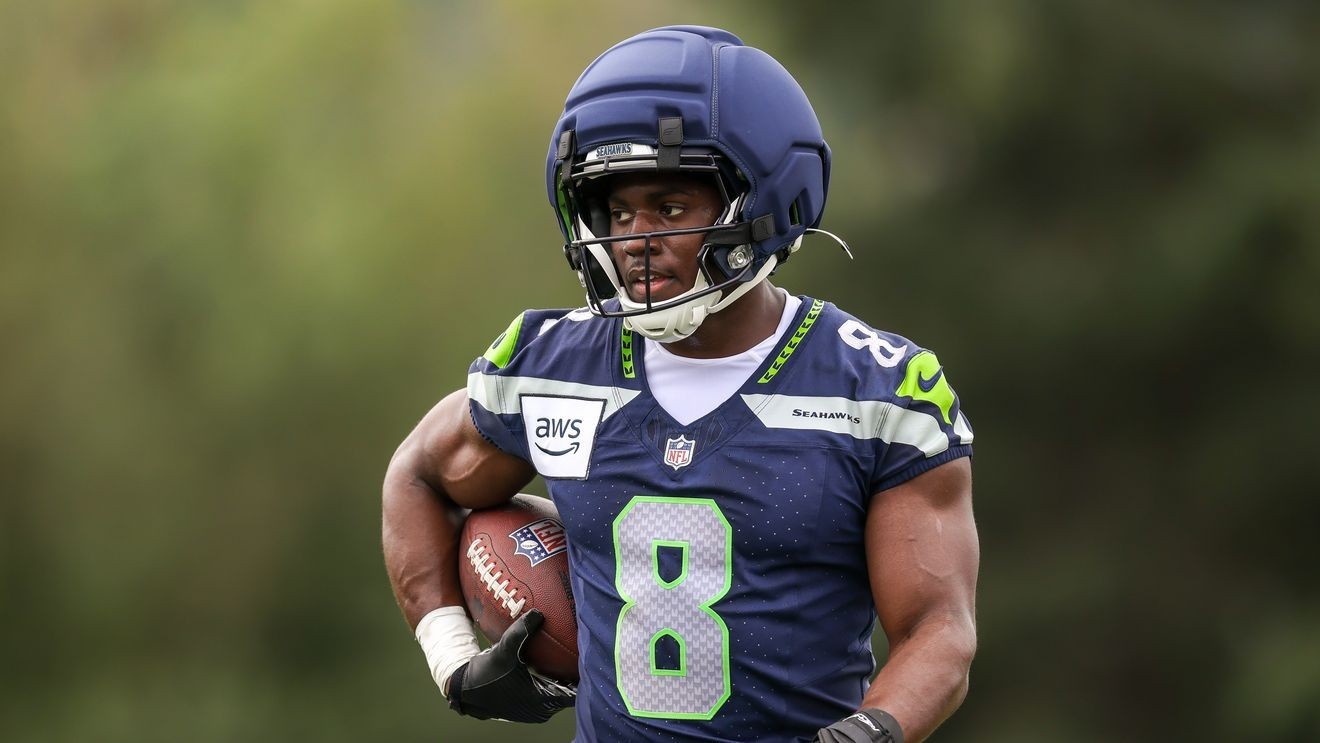
RENTON, Wash. — It’s one of the more interesting position battles for the Seahawks this training camp.
Gone is Super Bowl XL MVP Kenneth Walker III.
Injured for an undisclosed amount of time is Zach Charbonnet.
Entering the picture are rookie Jadarian Price and new signee Emanuel Wilson.
Manning the fort is George Holani.
Indeed, it’s a position of need, but also one that has plenty of contributors waiting for their opportunity. All of them have a unique story and possibilities heading into the new season.
George Holani
We start with Holani because, outside of Charbonnet, who is returning from ACL surgery, is the returning candidate for prime carries in the backfield.
Holani played in the postseason games after Charbonnet went down and took key snaps in Super Bowl XL.
He’s certainly someone the coaching staff trusts when you think of it that way and will always be a threat out of the backfield.
The 26-year-old out of Boise State enters his third season with Seattle. He played in 11 games last year with 2 catches for 15 yards, 22 carries for 73 yards while taking care of his primary duties in the kick return game, returning 16 kickoffs.
He has a nice slash ability and obviously has worked his way into a role on this roster, which speaks volumes with the coaching staff.
Holani earned the #1 reps to start training camp for a reason, but being the so-called ‘bell-cow’ or lead back on September 9th remains to be seen.
Emanuel Wilson
KOMO 4 Questions with Emanuel Wilson
If you’re a die-hard football fan, you know this.
Every time Emanuel Wilson got an opportunity with the Green Bay Packers, he made the most of it.
It’s why the Seahawks signed him this offseason.
With Josh Jacobs sidelined due to injury last November, Wilson stepped in for a 28-carry, 107-yard performance capped by two touchdowns.
He also tallied 14 carries for 82 yards later in the season against the Bears.
He’s shown that he’s much more than potential. Now he’s in the running for a starring role, at least for a while, in Seattle.
I think fans will enjoy that Wilson is 5-foot-10, 225 pounds but runs as fast as someone 40 pounds lighter. He can bruise you at the line of scrimmage but also run past you on the perimeter.
He certainly was a standout performer at Saturday’s Fan Fest at Lumen Field.
“I’m bringing something different. A lot of people think I don’t have speed, but I have a lot of speed on my end. Also bringing a lot of power,” Wilson said after practice Saturday.
Mike Macdonald agrees.
“I’m going to sound really cliché right now, but he just keeps stacking days from where he started to where he is now, but it seems like he keeps making plays, he keeps being productive in his style of ball, which is really cool. What he brings to the table is exciting. There is a physicality, a heaviness to his game, which is fun to have on offense,” Macdonald said.
Wilson, like Holani, forged his way into opportunities.
From Division II Fort Valley State to strong showings in auditions with the Packers to now potentially leading the backfield for the defending champion Seahawks in September.
You don’t get there without talent and determination.
Wilson has both.
Jadarian Price
Certainly, when a team uses first-round draft capital on a player, they believe that person can contribute right away.
Enter Jadarian Price, who is already turning heads at Seahawks training camp.
Price has a unique blend of speed, power and humility that carried him all the way to the first round of April’s draft and, apparently, now into the mix for a starring role in the Seahawks backfield.
“I’m glad to be back out here and play football with a special group of guys, special coaching staff and a special organization. I’m proud and blessed to be out here,” Price said as the Seahawks opened camp.
Remember, Price played behind Jeremiyah Love at Notre Dame, who went third overall to the Seahawks’ NFC West rival, Arizona. Think about that and consider that Price showed enough that, even in a limited role in college, he was an NFL team’s first-round pick.
That’s how good he is.
He shows maturity well beyond his 22 years. In fact, he used his first NFL check to buy his family a home back in his home state of Texas. He credits Holani and Charbonnet for showing him the way.
Price will be a star in the NFL. The question is more of a “when” than an “if.”
And now? Even after losing the Super Bowl MVP — and his co-star (for now, to injury) — the Seahawks have a strong running back room that should allow them to hit the ground running (pun intended).
Trending
Day 10 Bears camp notebook: Rookie Malik Muhammad, vet Xavier Woods playing more as secondary depth is tested
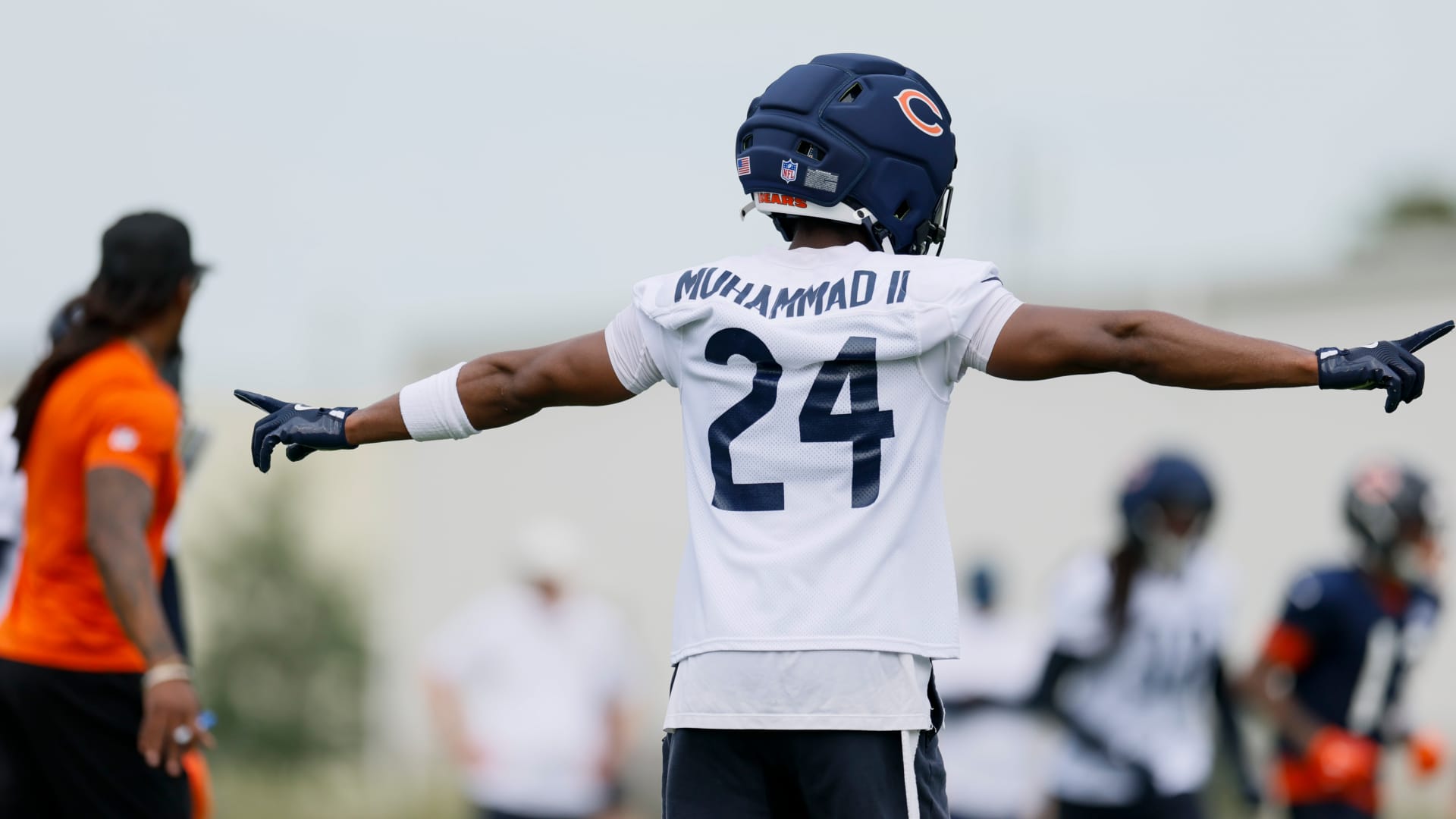
LAKE FOREST, Ill. — How thin is the Bears’ secondary after a spate of injuries happened during training camp at Halas Hall?
Two days after signing safety Xavier Woods, the 10-year veteran spent most of practice on Sunday playing with the first-team defense and first-round pick Dillon Thieneman.
“He’s played a lot of football,” defensive coordinator Dennis Allen said before the Bears’ 10th practice of training camp. “He’s been in a few different schemes. He’s been a productive player. (Defensive backs coach Al Harris) had him in Dallas so there’s some familiarity there with him. And I just think right now we needed another veteran piece back there in the back end specifically at the safety position.”
Allen also said that he was anxious to watch Woods in practice and compete to “see where he falls in the line.” That’s life right now in the secondary – the position group hit hardest by the injury bug in camp. A mix of rookies and veterans now have ample opportunities to impress.

Unlock Your Full Chicago Bears Experience
This premium content is a Chicago Bears Diehard exclusive.
DIEHARD MEMBERSHIP
$79.99
/year
You’re on a higher plan. Contact us to switch down.
Manage Membership
You’re already a Diehard! Manage your subscription from your dashboard.
Already a Diehard?
Trending
Curt Cignetti bets big on Indiana’s 17-man transfer class in repeat title quest
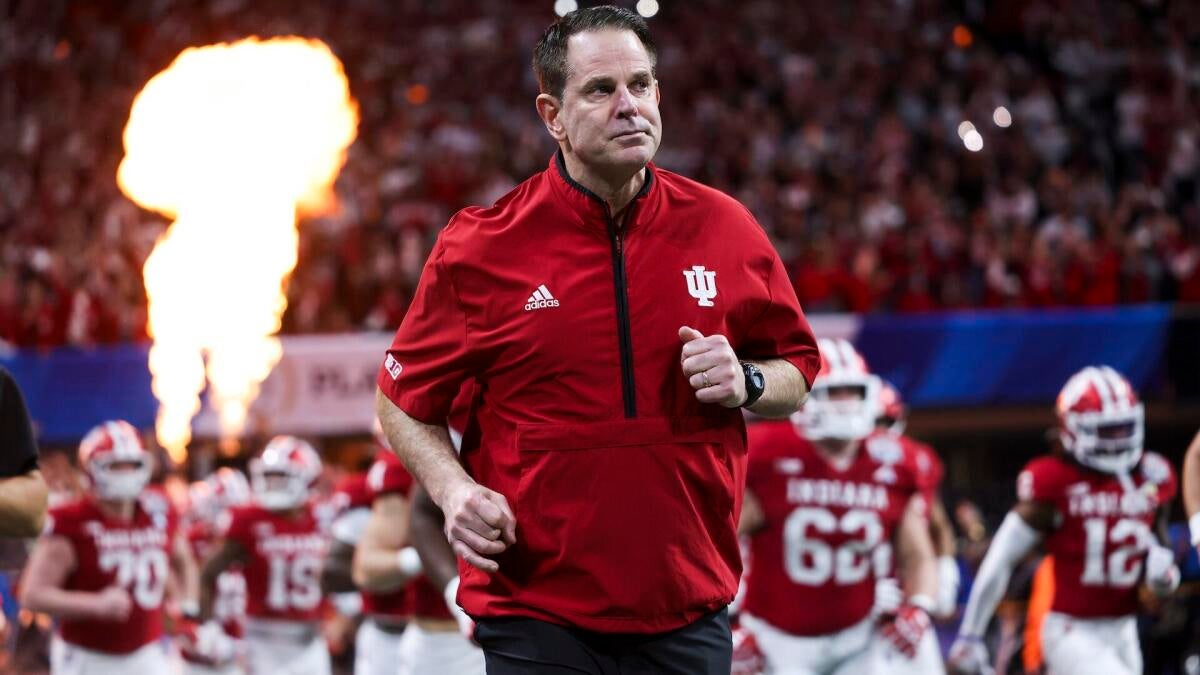
Nothing gold can stay in Indiana.
Nick Marsh, the most decorated receiver the Hoosiers have ever pulled out of the transfer portal, showed up to the first spring practice in March wearing gold cleats. Third-year head coach Curt Cignetti, 10 weeks removed from a 16-0 national championship, saw them before the first snap of the spring.
“I didn’t love those gold shoes he came out in today,” Cignetti told reporters that afternoon, March 27. “He learned what getting your ass ripped is all about. I don’t know if that happened to him very often at Michigan State.”
It wasn’t necessarily the dry, no-nonsense head coach who had to take Marsh aside and show him the Hoosiers’ ropes.
“If you see something that someone might think they might be a little above the program or something like that, you need to be brought back down to the standard,” said left tackle Carter Smith, a consensus All-American last season. “Everybody is held to the same expectations. Nobody’s above the program.
“… It’s not just up to Coach Cignetti, but it’s also up to the leaders to be able to call that out.”
‘I was furious’: How Curt Cignetti changed Indiana football and won a national championship
Brad Crawford

Replacing production, not expectations
Basking in glory is not how Indiana won the national title and rose from the losingest program in college football history to the first 16-0 national champion, an out-of-nowhere accomplishment no Hollywood script could properly replicate. The question this August is whether that program still exists after the bulk of the roster that built it exited stage left, leaving the spotlight for Cignetti’s rebuilding project, using parts that have never been in the building.
Indiana lost eight players to the NFL Draft, a program record, and, most notably, the Heisman Trophy winner and the No. 1 overall pick, Fernando Mendoza, who threw for 3,535 yards and an FBS-best 41 touchdowns. It lost 134 catches, 1,767 yards and 28 touchdowns in Elijah Sarratt and Omar Cooper Jr. It lost its center, its tailback, its All-America cornerback and the heartbeat of a defense that finished second nationally in scoring at 11.7 points per game.
Still, the Hoosiers return 10 starters — a notable number, but not one that matches the benchmark set by the last eight national champions, each of whom returned at least 11 starters.
Cignetti’s answer to the dramatic production loss was the same one he utilized when he took the job before the 2024 season: buy production. Indiana signed 17 transfers in a class rated fifth nationally. He replaced big production numbers with comparable production from elsewhere, the simplest approach in a sport that has turned to Moneyball more than development since the advent of the transfer portal and NIL payments.
“First thing, when a name comes up, I Google it, right?” Cignetti said. “And ESPN’s got, like, the guy’s picture and his career stats, season stats. I’m going to see how productive and consistent he’s been. And then it goes to the tape.”
Simple, right? Cignetti searches for production and consistency, targets players, and recruits them from the portal. If it were that easy, why can’t other programs replicate Indiana’s overnight success? It’s a question many athletic directors across the country ponder, which led to a record churn on the coaching carousel this offseason, and several hires that follow Cignetti’s blueprint: snag the fast-rising coach from a Group of Six school and have his top talent follow him to the new campus.
That worked for Cignetti in his first two years, but now he’s counting on players he’s never coached, even though their previous productivity at other schools seems to fit his prefabricated puzzle board.
“If a guy walks in my office, he might have a lot of talent and be a really good player, and that transcript doesn’t look real good. And I get a vibe that this guy’s a little selfish, can’t see past his nose, I’m not taking it,” Cignetti said. “I mean, he better be the best wide receiver in the history of football. And then I’m still going to think about it.”
On paper, Indiana seems to have reloaded more than rebuilt the roster. Josh Hoover threw for 3,472 yards and 29 touchdowns at TCU last season and 9,629 yards with 71 touchdowns across 31 career starts. Turbo Richard ran for 749 yards and nine scores in 11 starts at Boston College and caught 30 passes out of the backfield. Marsh caught 59 balls for 662 yards at Michigan State. Shazz Preston caught 43 for 723 at Tulane. Joe Brunner started 12 games at left guard for Wisconsin. A.J. Harris was third-team All-Big Ten at Penn State. Preston Zachman has 130 career tackles and seven interceptions. Carson Williams was an FCS Freshman All-American at Montana State with nine pass breakups.
Getty Images
Eight of the 17 transfers play defense. The two Kansas State defensive ends, Tobi Osunsanmi and Chiddi Obiazor, are the closest thing in the group to a projection, and Cignetti still has extreme expectations for them.
“I’d like to see them be monsters. That’s what I’d like to see,” he said. “I think they both have talent. They flashed, and I’m looking forward to seeing them in fall camp and seeing how they improve.”
The quarterback math is the reason for confidence. After all, Cignetti has done this before with a player he’s never coached. When he signed Mendoza out of Cal a year ago, he was buying a player who had thrown for 3,004 yards and 16 touchdowns. What he got back was a national title, Heisman Trophy and the first pick in the draft.
Hoover arrives with a better résumé than that. He also arrived with 13 interceptions last season and 42 turnovers across his 31 starts at TCU.
Asked what he needs from Hoover, Cignetti gave the shortest answer of his appearance at Big Ten media days.
“Good quarterback play.”
Pressed on what that means, he did not hesitate on the order, the underlying concerns everyone has about Hoover, or whether he can step in and pick up where Mendoza left off.
“Protect the football, complete the passes you should complete, be good in critical situations, play well under pressure, be smart, play smart, play with courage, play with toughness,” Cignetti said. “All things he’s capable of doing he’s done in the past.”
Can culture survive turnover?
The blueprint is no secret, but it had to change out of necessity. Familiarity can only last so long with rosters constantly spinning in the portal. Thirteen James Madison players followed Cignetti to Indiana in 2024, laying the foundation for familiarity and built-in high expectations, even if everyone outside the football building in Bloomington didn’t expect much from a program known as a perennial loser. The gang from James Madison had won together in the Sun Belt, they knew the two manuals Cignetti calls the program’s Bibles, and they arrived already speaking the language. Five of them — Aiden Fisher, D’Angelo Ponds, Elijah Sarratt, Kaelon Black and Tyrique Tucker — were still on the field when Indiana beat Miami 27-21 for the national title in January.
“In 2024, when he brought in all these James Madison guys, those were a lot of players who were in a conference and knew how to win and meshed really well with the Indiana players who were there that are itching for wins,” Smith said. “So keeping that relationship alive while we recruit more guys, high school or transfer portal, is key — making sure that everybody has the same body of work expected of them.”
Hoover, Marsh, Richard, Brunner and Harris haven’t been in the building longer than seven months. There is no JMU wave to absorb them. There is only the group that has grown and won over the last two years, and one JMU leftover: Tucker at defensive tackle.
“Being the last one kinda does feel like a badge of honor,” Tucker said. “But it’s one of those things I feel like I have to obtain. Everyone who has been from there has done things and been successful — and being a part of that group is elite.”
The JMU crew instilled a new culture in Indiana, but it’s not up to one holdover to carry the torch.
“Those 20-plus guys that stayed from Indiana, that have been with us for two years, they’re the JMU guys now,” Cignetti said. “And the ones showing the new guys how to do it.”
The early evidence is anecdotal, and preseason camp is typically more about survival than developing an identity before game-week preparations begin in late August, but there are moments that shine a light on the new imprint.
“He’s made a lot of friends this offseason,” Smith said of Hoover. “That’s the biggest part, you know, being a really good locker room guy and understanding what everybody wants from their quarterback. And he loves to just hang out with the guys. We’ll go golfing. He loves to fish.”
The rings are the enemy now.
Life as the hunted
Isaiah Jones, the linebacker replacing a two-time All-American in Fisher, put 78 tackles, 15.5 tackles for loss and seven sacks on tape last fall while starting seven games. He has been assigned the green dot as the defense’s quarterback. Off the field, he’s making sure a championship trophy doesn’t become an anchor.
“Last year was a great year. Great teammates, great friends, brothers for life. Brought home a lot of hardware, nice rings,” Jones said. “But none of that does anything to win a game this year. We don’t just roll our rings or trophies out on the field against North Texas Game 1. That doesn’t win us a game.
“Every time you take a field, or you go into the weight room, or you’re in a film room, you either get better or get worse. If you’re getting worse, Michigan or Ohio State or USC or North Texas might be getting better.”
Cignetti calls it attacking complacency.
“It starts with me, really,” said Cignetti, now 27-2 in two seasons at Indiana. “I got to make sure I’m on my game, I’m organized, I’m structured, I’m working smart and that everyone is doing their job.”
Those who don’t follow his lead don’t survive. Over the last two seasons, complacency hasn’t seeped into the locker room because of Cignetti’s laser-sharpened focus and the inherent motivation tied to a program that had never won big before. That’s different today. The Hoosiers are now the hunted.
“When you have a lot of good people, the whole becomes greater than the sum of its parts. But one bad apple also, you’ve heard that one before, right? So we don’t have bad apples,” Cignetti said. “Coach Cignetti takes care of the bad apples. When they start getting a little soft on one side, right, they get looked at real close. And then when they’ve rotted some more, a little while later, they’re out of here.”
It’s still wild to think Indiana has reset the pieces on the sport’s chessboard. Now, everyone is adjusting as the Hoosiers try to maintain their recent stronghold in a sport that is not kind to newcomers leaping the rungs.
Cignetti doesn’t dodge expectations, and he certainly isn’t afraid to buck naysayers who tried to bury Indiana before he ever coached a game two years ago. He’s always blunt. Asked at media days whether Indiana is the Big Ten’s new Goliath, Cignetti repeated the facts and handed it back to the crew of scribes in the audience.
“We’re the national champs of 2025 and 27-2 the last two years. Longest home winning streak in college football. Longest winning streak in college football,” he said. “I don’t know. You guys write those stories.”
Indiana has seemingly transferred college football into a parallel existence. In that fog of war, everyone is confused, grasping for answers, and, in the case of Purdue‘s new athletics director, blundering for attention in this new reality.
Incoming Purdue athletics director Tommy McClelland, in an attempt to rally the troops at Indiana’s in-state rival, stepped into no man’s land.
“Every recruit and every student-athlete will hear this message repeatedly: We are here to win championships. If you don’t want to win championships, go to Indiana,” he said.
The words landed with a soft, wet thud. He knew it immediately. “I made an offhand, unscripted comment about an in-state rival that didn’t land well. I knew it the second it left my mouth,” McClelland said the next day on The Pat McAfee Show. “We’re going to build programs here that are better at winning championships than I am at one-liners.”
Cignetti, the most quotable coach in America, was asked about it Monday at preseason camp. He is 2-0 against Purdue by a combined 122-3 score. Did he have a response?
“No, not really,” he said.
He swatted the gnat and turned his head to another questioner. His players, and for that matter, most of the sport, understand Cignetti’s cadence by now.
“Some people might think he’s brash or he’s arrogant and makes some of these comments,” Jones said. “As a player, from a player’s perspective, you see a guy that has full belief in his players. He’s going to go out there and make these comments and stick his neck out because he has belief in his players. As a player, when you see that and you see a coach that has full confidence in you, you want to go play your heart out for that guy. You don’t want to play soft. You don’t want to play timid.”
Cignetti just turned 65. He calls himself a geriatric. Any other coach may have hit their career’s zenith working under Nick Saban at Alabama in 2010, when he opted to take a step back and work his way through the system on an unorthodox journey as head coach at Division II Indiana University of Pennsylvania before later landing in the FBS at James Madison. Those experiences informed Cignetti, who has been in the business long enough to know how fast champions can fall.
“I know how temporary this is,” he said. “You can be a hero one week, and all of a sudden lose a game and, you know, people hate you.”
He knows what the title bought — “donations have gone up throughout every department at the university,” he said, and the largest alumni base in America has come “out of the woodwork who for so long had really no hope or interest because we were so bad” — and he knows the terms attached to it.
“If we don’t hold up our end of the bargain,” he said, “I’ll be hung in effigy next fall.”
Curt Cignetti talks like college football’s alpha, but Indiana’s schedule says otherwise
Cody Nagel

Despite all the criticism Indiana receives for its scheduling philosophy and for opting to avoid non-conference power opponents, the hurdles this fall remain larger. Ohio State comes to Memorial Stadium on Oct. 17, and then Michigan a week later. USC and Washington, thought to be playoff sleepers, hit the schedule in November. Purdue and whatever is left of McClelland’s one-liners end the season Nov. 28.
Until then, it’s Week 1 and North Texas, and 17 new men trying to coagulate into — and maybe mimic — a version of Indiana that beat everybody last year. It might seem new, but everyone else believes Indiana, the defending champion, is the team to beat.
“I don’t look at it like that,” Cignetti said. “We wake up tomorrow, we’re going to do the things that we have to do to improve as much as possible to put the best day together and then do the same thing the following day. And then it all takes care of itself, because I’m a firm believer. You stack days, meetings, and do the proper preparation on a consistent basis, you can accomplish anything. Anything.”



Major Food Recall Expands To Trader Joe’s, Walmart, Target & More As 345 People Get Sick
Taylor Farms can’t catch a break this summer—and neither can we. Hot on the heels of the ongoing Cyclospora outbreak...


Hurricane Lala disrupts Los Angeles flights to Hawaii
Hurricane Lala disrupted travel between Los Angeles and Hawaii on Saturday, canceling flights from LAX to destinations across the islands...


Selena Gomez’s lawyer responds to lawsuit against singer, her mom
Selena Gomez’s lawyer didn’t mince words in his response to the lawsuit against the singer and her mother, Mandy Teefey,...


How will the position shake out for the Seahawks?
RENTON, Wash. — It’s one of the more interesting position battles for the Seahawks this training camp. Gone is Super...
Central Synagogue Attack Rattles Jewish New Yorkers
The police said a man on Friday night struck a congregant at the prominent Upper East Side synagogue, as Jews...


Day 10 Bears camp notebook: Rookie Malik Muhammad, vet Xavier Woods playing more as secondary depth is tested
LAKE FOREST, Ill. — How thin is the Bears’ secondary after a spate of injuries happened during training camp at...


Bella Hadid, Gigi Hadid, Cardi B, Anne Hathaway and more
Star snaps of the week: Bella Hadid, Gigi Hadid, Cardi B, Anne Hathaway and more Martin Short sneaks up on...


The Brightened Night Sky Nobody Actually Wanted
I have spent a good part of my life pointing telescopes upward and trying to persuade people to look up...


Curt Cignetti bets big on Indiana’s 17-man transfer class in repeat title quest
Nothing gold can stay in Indiana. Nick Marsh, the most decorated receiver the Hoosiers have ever pulled out of the...


Man shot and killed by deputies after firing at Edison employees, authorities say
A bizarre and violent series of events unfolded in the Inland Empire Friday after a man opened fire on Southern...


Jaafar Jackson Discusses Studying Michael Jackson’s Moves Since Age 3
NEW! TV Theatre Newsletter Get all the top news & discounts for TV & beyond. No password required. Jaafar Jackson...


Taylor Swift and Travis Kelce’s private life as newlyweds
Taylor Swift and Travis Kelce are finding that married life is “Actually Romantic.” “They’re both just so excited that they’re...


Potentially historic El Nino takes shape, with far-reaching US and global impacts expected
El Nino conditions continue to intensify and are likely to be very strong, resulting in a potentially historic event in...
Stock Trading in Congress Becomes an Attack Line in Midterm Campaigns
Republican and Democratic challengers are both using the issue to attack members of Congress as unethical, seizing on a common...


9 Years Later, the Anya Taylor-Joy Thriller Everyone Missed Is Finally Available To Watch on Streaming
While Sergio Gutiérrez Sánchez’s 2017 psychological thriller Marrowbone arrived early on in Anya Taylor-Joy’s career, it hasn’t achieved the same...


A Rare Extragalactic Stellar Stream Reveals Hidden Dark Matter
Scientists have discovered a rare star formation hidden in a distant galaxy, unlike anything seen before beyond the Milky Way....


Christy Knowings’ ‘All That’ castmates ‘hit hard’ over her death at 46 as Kenan Thompson leads tributes
Kenan Thompson was “hit hard” by the death of his former “All That” co-star Christy Knowings, who died Tuesday at...


Man used screwdriver to kill wife and daughter at Minnesota daycare, police say
MINNEAPOLIS (AP) — A man used a screwdriver to fatally stab his wife and their 7-year-old daughter inside a Minnesota...


Effort to ban genetically modified animals dies in California Legislature
SACRAMENTO — Proposed legislation to protect animals from “Frankenstein”-like medical experimentation died in the state Senate on Thursday, and supporters blame election...


Let’s Put Tarik Skubal Back on the Tigers
Gary A. Vasquez-Imagn Images The Detroit Tigers are one of the hottest teams in baseball. Since the calendar flipped to...


Perez Hilton’s sister gives update on celeb blogger’s injuries, details his ‘long road’ of recovery
Warning: The content below contains graphic details. Perez Hilton (real name: Mario Armando Lavandeira Jr.) remains hospitalized after his devastating...
Kennedy Center Board Decides to Inscribe Trump’s Name on Building
The vote to add “Restored and Renovated by President Donald J. Trump” is an aggressive test of a judge’s order...


Hands-on report: Marvel’s Wolverine – PlayStation.Blog
It’s been a big week for fans of Marvel’s Wolverine, starting with the announcement of sharp-looking PS5 hardware and accessories....


Two Million X-Ray Sources, and One Cluster That Doesn’t Fit
Clusters are the largest gravitationally bound things in the universe, thousands of galaxies held together in a vast reservoir of...


Injuries Reported After Two-Vehicle Crash at Franklin Blvd and Florin Road in Sacramento – Sacramento Injury Attorneys Blog
Injuries Reported After Two-Vehicle Crash at Franklin Blvd and Florin Road in Sacramento An injury crash at Franklin Blvd and...


Kourtney Kardashian miscarriage and more
Travis Barker is opening up like never before. The Blink-182 drummer stars in the new Hulu documentary, “Travis Barker: Louder...


L.A. reaches deal on cost recovery for 2028 Olympics, amid warnings
A divided Los Angeles City Council finalized a deal with organizers of the 2028 Summer Olympic Games aimed at controlling...


빅팀을 이겼다” 도스 산토스 LAFC 감독, 손흥민 70분 침묵에도 “이겼으니 좋다
OSEN 2026.08.10 07:40 업데이트 정보 더보기 옵션버튼 글자 크기 조절 글자크기 확대 축소 인쇄 인쇄 공유 공유 [사진] ⓒGettyimages(무단전재 및...
Trump Wants the M.M.R. Vaccine Split Into Three Separate Shots. Doctors Say It’s a Bad Idea.
President Trump is calling for immunizations for measles, mumps and rubella to be given in individual jabs in three different...


Ariana Grande goes Instagram-official with on-again boyfriend Ricky Alvarez after announcing break from the spotlight
Ariana Grande officially hard-launched her on-again boyfriend, Ricky Alvarez, on Instagram. The “Petals” songstress took to the platform Wednesday to...


Deportivo de A Coruña vs Real Madrid: Club Friendlies stats & head-to-head
Head to Head Key, Deportivo v Real Madrid Deportivo de A Coruña Real Madrid W Deportivo de A Coruña won...


The Nostalgic Architecture of the Obama Presidential Center
Books & the Arts / August 11, 2026 The nostalgic architecture of the Obama Presidential Center Where hope even has...


How to Find Lunar Ice? Moonquakes to the Rescue!
The surface of the Moon is a bleak and forbidding place that could be hiding a lot of water ice...


‘Roseanne’ star defends sitcom’ axing over comedian’s tweets
Former child star Michael Fishman became emotional while laying out his thoughts on the “Roseanne” reboot’s cancellation back in 2018....


How to watch Las Vegas Raiders vs. Arizona Cardinals on August 13, 2026 | Preseason Week 1
Raiders Pregame Live on FOX5 (Las Vegas) Before kickoff, watch coverage on the team’s current matchup with last-minute news, transactions...


Becerra, Hilton offer promises on AI, gas prices, healthcare — and contrasting views
Sacramento — The two candidates for California governor came to Sacramento on Tuesday offering policy agendas that were both sweeping and vague...

Series Preview: Seattle Mariners at New York Yankees
This roadtrip has loomed large since last year, when the schedule first came out. Regardless of how the standings would...
El-Sayed’s Winning Path in Michigan
A swing-state Democratic Senate nominee needs to keep saying this: Jews have a right to a Jewish homeland.


Lizzo models teeny purple string bikini to ring in ‘Fat Liberation Month’
Lizzo posed poolside in a sparkly purple Yitty string bikini to celebrate “Fat Liberation Month” on Sunday. Instagram/lizzobeeating Lizzo has...


Star Wars Zero Company: A New Hope for Turn-Based Tactics
Summary Star Wars Zero Company arrives August 27, 2026 on XBOX Series X|S. A turn-based tactics game with RPG...


Seven Needles, 800,000 Haystacks – Universe Today
Quasars are the brightest sustained objects in the universe, the cores of distant galaxies where a supermassive black hole is...


The 9 Senate seats most likely to flip in 2026
With less than three months until Election Day, the general election fight for control of the US Senate is in...


Jessica Alba stuns in tiny bikini as she celebrates final weeks of summer
Jessica Alba is packing plenty into the final stretch of summer. The 45-year-old actress shared a series of photos highlighting...


Typo by San Francisco police led to violent arrest of innocent driver
Two officers with the San Francisco Police Department spotted what they thought was a stolen car being driven through the...


Pensión Mujeres Bienestar: Calendario TENTATIVO de registro para cobrar 3,100 pesos
Las mujeres de entre 60 y 64 años que buscan incorporarse a la Pensión Mujeres Bienestar podrían tener una nueva...
Flock Cameras Can Track Every Car in America. Police Love Them. Citizens Don’t.
In Texas, there’s one thing liberals and conservatives agree on: They don’t want cameras trained on their cars.


Texas leads US in cases of dangerous fungal infection
article Candida auris is a yeast responsible for many infections. Resistant to most antifungal drugs, this fungus causes several deaths...


Keke Palmer shares blistering ‘warning shot’ as fans fear Sean Evans ‘fumbled’ romance
Shots fired. Keke Palmer shared a cryptic message about her dating life amid her alleged romance with “Hot Ones” host...


Ancient Maltese Seafarers Likely Navigated By The Stars
Malta might be the last place one might expect there to be a convergence of archeoastronomy and early cosmology. Today,...
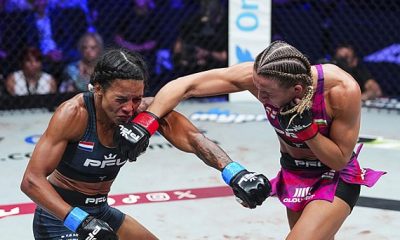

Dakota Ditcheva breaks both hands in PFL New York win
It seems that Professional Fighters League fans will be waiting a while to see Dakota Ditcheva compete again. Dakota Ditcheva...


Dust storm warning issued for metro Phoenix area
A dust storm warning was issued by the National Weather Service in Phoenix at 7:59 p.m. on Sunday, Aug. 9....


Elderly couple dies in Santa Monica home fire
The Santa Monica Fire Department is investigating an early-morning blaze on Sunday that claimed the lives of an elderly couple...


‘House of the Dragon’ Season 3 finale: Helaena, Ormund’s fate revealed
Warning: Spoilers ahead! Do not proceed unless you’ve watched the Season 3 finale of “House of the Dragon.“ “House of...


🔴 EN VIVO: Alianza Valledupar vs. Bucaramanga
Quiero unirme al canal de WhatsApp de Win Sports Si quieres disfrutar de la emoción del deporte, suscríbete a Win...
Israel Rejects Trump’s 15-Point Plan to Disarm Hamas
President Trump’s Board of Peace announced an agreement last month that aimed at Hamas’s giving up its weapons alongside an...


Boeing 737 Max operators told to check fuselages for cracks | Boeing
The US aviation regulator has ordered inspections of the fuselages of Boeing 737 Max planes for possible cracks in a...


‘Highlander’ star Christopher Lambert, 69, collapses at Pittsburgh Comic-Con
“Highlander” actor Christopher Lambert suffered a medical emergency while attending the Steel City Comic-Con in Pittsburgh. At the annual convention...


Astronomers Find a New Object from the Early Universe Using Webb Data
Since it became operational in 2022, the James Webb Space Telescope (JWST) has released some truly breathtaking views of the...


HighSchoolOT Jamboree postponed to Monday, Aug. 10, due to inclement weather :: HighSchoolOT.com
Six minutes into J.H. Rose vs. Rolesville, the second game of a five-game slate on Saturday, the HighSchoolOT Jamboree at...


Firefighters battling brush fire in Burb
Firefighters were battling wildfires Saturday in Burbank and Santa Clarita. Walnut fire The Walnut fire was burning near DeBell Golf...


QVC host reacts to viral on-air blooper
QVC host Toni Brattin has publicly commented on her viral on-air blooper that saw her mistakenly refer to a “blowout”...


Leaking oil tanker sinking further off Oman
BEIRUT (AP) — A sanctioned tanker carrying nearly 1 million barrels of oil appears to have become further submerged in...
The U.S. Is Burning Through Weapons in Iran. Russia and China Are Taking Note.
The Iran war has depleted U.S. weapons stockpiles, resulting in a significant erosion of firepower. A more drawn-out Iran conflict...


Tribute to Puskas in Budapest
The St. Stephen’s Cathedral in Budapest hosted an emotional tribute to Puskas in the hours leading up to the preseason...


SpaceX Junk Hits the Moon. Not a Good Sign
On Wednesday, August 5th, at 06:35 UTC (11:35 p.m. PDT; 2:35 a.m. EDT), a 13.8-meter (45-ft) long, 4,000 kg (9,000...


‘The Simpsons’ actress Nancy Cartwright predicts when hit show will end
“The Simpsons” could have an end date in sight — at least according to one of its longtime stars. Nancy...


Jobs report July 2026:
The U.S. economy saw an unexpected declined in jobs during July while the unemployment rate edged lower, the Bureau of...


Searing heat on tap for SoCal this weekend, with more fire danger ahead
Wide swaths of California will face searing temperatures over the weekend, with forecasters issuing a heat advisory for non-coastal areas...


Supercomputer predicts the MLB Wild Card standings after the trade deadline
--> With the MLB trade deadline behind us, the playoff picture is starting to take focus. There is no predicting...


Reese Witherspoon’s father, John, rushed to hospital after being found near pool at Nashville home
Reese Witherspoon’s father, John Draper Witherspoon, was rushed to the hospital Friday, Page Six can confirm. A source tells us...


Former finalist Samsonova escapes Tjen in tight Toronto tilt
Skip to main content Home Videos Former Finalist Samsonova Escapes Tjen In Tight Toronto Tilt Must-See Action Rybakina saves two...
A Generation on Antidepressants Searches for the Exit
Many people feel that antidepressants block their true emotions, but they don’t have guidance about how to get off these...


Meet Carrie Coon’s famous actor husband with 16-year age gap — and their two children
Carrie Coon, 45, has been married to Tracy Letts, 61, since 2013. The White Lotus star’s husband is also heavily involved...


Scientists Watch as a Distant World’s Atmosphere Shrinks and Thins
As dwarf planet Pluto moves along in its distant, high-obliquity 248-year orbit, its atmosphere is changing. That’s because it’s beginning...


Country star Hannah Dasher says famous, married celebrity once slid into her DMs
Country singer Hannah Dasher revealed that a famous, married celebrity once slid into her direct messages on social media, but...


Jonathan Majors, Daily Wire Film ‘Run Hide Fight’ Trailer, Release Date
EXCLUSIVE: Here is your first full trailer for Jonathan Majors‘ comeback movie, Run Hide Fight: Infidels, a sequel of sorts...


Act of road rage leads CHP to huge weapons cache, authorities say
A California driver pulled alongside another motorist on the 10 Freeway and pointed a gun — and it was that...


Lionsgate Studio Boss Gives Update On Production Start, Release
Lionsgate Motion Picture Group Chairman Adam Fogelson gave an update on the highly anticipated sequel to the studio’s Michael Jackson...


‘The Devil Wears Prada 2’ costumes worn by Anne Hathaway, Meryl Streep headed for auction
Christie’s is auctioning off a slate of costumes and accessories from “The Devil Wears Prada 2,” including this colorful Gabriela...
Mitch McConnell Discharged From Rehabilitation Facility
The Kentucky Republican has been absent from Congress for nearly two months after a health episode. He said he would...


Madden NFL 27 Reveals New Soundtrack Featuring Lil Wayne, Bad Bunny, DMX, More
EA Sports dropped the official Madden NFL 27 soundtrack on Thursday. The soundtrack includes 78 songs, ranging from current-day hits...


See the Perseid Meteors on a New Moon Year
With the Moon ‘missing in action,’ the August Perseids are set to light up the sky next week. You couldn’t...


Minor Injury Two-Vehicle Crash on Vintage Park Drive in Elk Grove – Sacramento Injury Attorneys Blog
Minor Injury Two-Vehicle Crash on Vintage Park Drive in Elk Grove A two-vehicle traffic crash on Vintage Park Drive in...
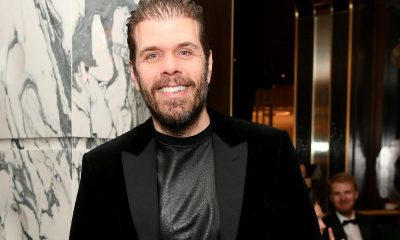

Perez Hilton’s family says he’s ‘able to communicate’ after ‘suicide attempt’
Perez Hilton’s family is sharing another update on the celebrity blogger’s condition one day after his “suicide attempt.” “This has...


SoCal deputy shot, suspect killed as gunfire erupts in Antelope Valley
A San Bernardino County sheriff’s detective was shot during an exchange of gunfire in Little Rock on Wednesday afternoon that...


Mets vs. Guardians: Lineups, broadcast info, and open thread, 8/5/26
A.J. Ewing – CFFrancisco Lindor – SSBo Bichette – 3BCarson Benge – RFJared Young – 1BFrancisco Alvarez – CBrett Baty...
Israel Strikes Lebanon After Accusing Hezbollah of Cease-Fire Violation
At the same time, Israeli and Lebanese negotiators were holding talks in Rome aimed at fostering a long-term diplomatic settlement.


Dodgers’ 2026 Trade Deadline analysis
CHICAGO — The Dodgers made the biggest splash of the Trade Deadline two days before the market closed for the...


Sex is legal once a year in lame rom-com
movie review ONE NIGHT ONLY Running time: 102 minutes. Rated R (sexual material, language, and brief nudity). In theaters Aug....


Family pushes for answers after 3 people found dead in Rocky Mount home days after electricity cut :: WRAL.com
Rocky Mount police are investigating the deaths of three people found inside a home on King Charles Court on Monday....


Scientist Constructs “Big Picture” of Mars Water from Rover Data
Rover data from more than 20 years ago has revealed clues to the existence of liquid water on ancient Mars....


Barry Manilow cancels Lexington, Kentucky concert minutes before show
Barry Manilow abruptly canceled his Tuesday night concert in Lexington, Ky., marking the second time the show has been postponed...


Single Day Passes, Lineup, Set Times, Code
If you purchase an independently reviewed product or service through a link on our website, The Hollywood Reporter may receive...


Search ensues after hiker bitten by rattlesnake deep in Angeles National Forest
Multiple rescue teams searched through dense greenery in the Bear Canyon area of the Angeles National Forest on Monday afternoon...


Orioles-Angels series preview: The trade deadline hangover series
So… here we are. There’s something cruel about the scheduling gods sending the Los Angeles Angels into Camden Yards the...
After Midtown Building Buckles, Violations Are Found at Many Other Sites
After two steel beams buckled at a Manhattan high-rise last month, city officials conducted inspections at dozens of construction sites...


Meghan Markle makes a splash on her 45th birthday with poolside photos
Another candle on the cake. Meghan Markle took to Instagram Tuesday to share photos of her jumping into a pool...


Bowen Yang Will Be Broadway’s Next Oh, Mary!
Bowen Yang officially has his eyes on some bratty curls. The SNL favorite and Wicked film alum will be the next title...


Interstellar Travel: the Birth of Fusion Drives
Welcome back to our series on Interstellar Travel, where we examine concepts that have been proposed since the dawn of...


Reloaded Edition, Big Walk, Signalis – PlayStation.Blog
Be fleet of foot to survive a post-apocalyptic cityscape alone or with pals, buddy up to walk and talk your...


No Way Home’ actress dead at 82
Actress Mary Rivera has died. Rivera, known for her role in 2021’s “Spider-Man: No Way Home” as the character Ned...


Emily Ratajkowski models strappy bikinis on vacation in Greece
Emily Ratajkowski packed multiple wraparound bikinis for her recent trip to Greece. emrata/Instagram Instagram’s bikini queen is back. Emily Ratajkowski...


James Van Der Beek’s widow shares tender tribute on first wedding anniversary since his death
James Van Der Beek’s widow, Kimberly, shared a touching message about the actor on what would have been their 16th...


Modest Mouse boots guitarist Simon O’Connor from tour after allegations he sent inappropriate messages to minor
Modest Mouse has booted guitarist Simon O’Connor from its upcoming North American tour after he was accused of sending inappropriate...


Vincent Pastore mourned by ‘Sopranos’ cast after his death
The “Sopranos” cast is mourning the loss of one of their own. Shortly after news broke that Vincent Pastore, who...


Slipknot’s Sid Wilson fired after nearly 30 years — months after his split from Kelly Osbourne: report
Slipknot has fired DJ and keyboardist Sid Wilson after nearly 30 years — and just months after the rocker’s split...


Read the full Nancy Guthrie ransom note with chilling details that proved 84-year-old was kidnapped
Authorities have released the full contents of the alleged ransom notes sent after Nancy Guthrie’s disappearance from her Arizona home...


Shania Twain reveals she was ‘kicked around’ by her parents in ‘very violent’ childhood home
Shania Twain revealed that she grew up in a “very violent” home where she and her sisters were physically abused...


Kaia Gerber and Homer Gere address parents’ ‘90s marriage (Video)
It’s a match made in nepo-baby heaven. At “The Shards” premiere, Kaia Gerber dished to Entertainment Tonight about working with...


Megan Moroney cuts Denver concert after three songs as she fights back tears
Country star Megan Moroney was forced to cancel her Colorado concert mid-set on Tuesday night, telling fans through tears she...


Zendaya wore this Prada lip balm on her ‘Odyssey’ and ‘Spider-Man’ press tours
Page Six may be compensated and/or receive an affiliate commission if you click or buy through our links. Featured pricing...


Here’s how to watch ‘The Devil Wears Prada 2’ on Hulu
Page Six may be compensated and/or receive an affiliate commission if you click or buy through our links. Featured pricing...


‘Baywatch’ star Brooks Nader is red hot for summer and more star snaps
‘Baywatch’ star Brooks Nader is red hot for summer and more star snaps Brooks Nader sizzles on the beach while...


Inside top Comic-Con activations from ‘Lanterns’ to ‘Percy’
While A-list celebs from Ryan Gosling to Johnny Depp appeared at San Diego Comic-Con to promote their blockbuster studio projects,...


Rarely-seen ’80s star Kristy McNichol appears in ‘fangirl’ Carnie Wilson’s selfie
Carnie Wilson had a “fangirl” moment with Kristy McNichol decades after the actress’ retirement. “Totally fangirling!!!” the singer, 58, recently...


Usher boots fan off stage after her painfully awkward response to his seductive dance moves
Usher quickly put a stop to sexily serenading a fan onstage after she got visibly uncomfortable. In a now-viral moment...


John Cusack reveals why he stepped away from Hollywood after decades of films
John Cusack opened up about why he’s largely taken a step back from Hollywood. The “Being John Malkovich” star, 60,...


Kelly Clarkson shares rare love life update
Kelly Clarkson defended her right to remain single during a recent Las Vegas residency show. “People are like, ‘Oh, why...


Eric Dane called ‘Euphoria’ his most ‘profound’ work amid ALS battle
Eric Dane believed that “Euphoria” was “the most profound experience” of his career. Dane appeared in the documentary special, “Euphoria:...


Bret Michaels undergoes emergency surgery after performing 3 concerts in ‘intense’ pain
Bret Michaels revealed he underwent an unexpected surgery after experiencing “intense” pain from a kidney stone. The Poison frontman, 63,...


Johnny Depp is nearly unrecognizable at Comic-Con promoting new movie
Johnny Depp stunned fans by showing up at San Diego Comic-Con Thursday dressed as Ebenezer Scrooge. The “Sleepy Hollow” actor...


Kayla Nicole vying for ‘DWTS’ role after Taylor Swift, Travis Kelce’s wedding
Kayla Nicole is ready to sashay into the ballroom. “Kayla Nicole would love to appear on ‘Dancing With The Stars.’...


Chadwick Boseman’s family fighting over late actor’s estate
Chadwick Boseman’s family members are feuding over his estate, nearly six years after his tragic death. According to documents obtained...


Heidi Montag wears pink bedazzled latex bodysuit for festival performance
Heidi Montag is back in her pop star era. The “Hills” alum channeled Barbie as she performed an hour-long set...


Zendaya gives cheeky response to fan’s marriage proposal
Zendaya is happy to let everyone know she’s off the market for good. The “Dune” actress, 29, had the perfect...


‘Godzilla vs Kong’ child star Kaylee Hottle dead at 19 after tragic car accident
The deaf actress played Jia in the 2021 movie, reprising the role in 2024 for “Godzilla X Kong: The New...


’90 Day Fiancé’ star shares major update on daughter’s alarming medical emergency
“90 Day Fiancé” star Armando Rubio emotionally shared that his daughter, Hannah, has been discharged from an Arizona hospital after...


Vice President JD Vance’s wife, Usha, gives birth to baby No. 4
Vice President JD Vance’s brood just got bigger. The politician’s wife, Usha Vance, has given birth to the couple’s fourth...


2026 FIFA World Cup Halftime Show: The Muppets, Ted Lasso, and more
Madonna, BTS, Shakira, and Justin Bieber had some tricks up their sleeves…


Matty Healy and Gabbriette Bechtel marry in star-studded LA wedding at Madonna’s former estate
Matty Healy and Gabbriette Bechtel are married. The 1975 frontman, 37, and the model, 28, tied the knot Saturday in...


‘Today’ show intruder spotted on live TV before storming studio
The crazed man who stormed the “Today” show set on Thursday was seen in the background of one of the...


Savannah Guthrie flees NYC after ‘Today’ show intruder incident
Savannah Guthrie is skipping town just one day after an intruder lunged at co-anchor Craig Melvin at the “Today” show...


Taylor Swift and Travis Kelce’s wedding guests reveal new details on ‘legendary’ night
Kyle and Kristin Juszczyk both summed up Taylor Swift and Travis Kelce’s recent nuptials with one word: “Legendary.” “It was...


Seth Rogen kept thanking Penélope Cruz while filming ‘The Invite’ sex scene
Seth Rogen admitted he couldn’t stop thanking and apologizing to Penélope Cruz while filming a sex scene for their new...


This Coach bag is over 40% off for the Nordstrom Anniversary Sale
Page Six may be compensated and/or receive an affiliate commission if you click or buy through our links. Featured pricing...


New York Knicks star Tyler Kolek reveals A-lister he wants on celebrity row
New York Knicks point guard Tyler Kolek is hoping NFL legend Tom Brady will join celebrity row next season. “He’s...


Vrai makes the best lab-grown diamond earrings — just ask Taylor Swift
Page Six may be compensated and/or receive an affiliate commission if you click or buy through our links. Featured pricing...


Zendaya wears angel wings at ‘The Odyssey’ NYC premiere
Zendaya made a show-stopping appearance at “The Odyssey” premiere in New York City, donning ethereal angel wings on the red...


Tom Segura hinted at Christina Pazsitzky divorce before breakup bombshell
Comedian Tom Segura hinted at his split from wife Christina Pazsitzky by not wearing his wedding ring on his latest...
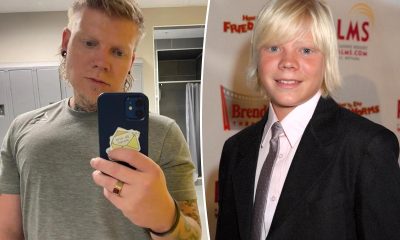

‘How to Eat Fried Worms’ child star Blake Garrett’s cause of death revealed
“How to Eat Fried Worms” star Blake Garrett’s cause of death has been confirmed. The former child star died on...


Jay-Z’s final Yankee Stadium concert marred by hours-long delays amid security breach: reports
Jay-Z’s final concert as part of his three-day Yankee Stadium residency was marred by hours-long delays – after hordes of...


Sacha Baron Cohen shows up at Wimbledon dressed as iconic character Ali G
Amid reports that Sacha Baron Cohen is secretly filming a new Ali G movie, the star showed up dressed as...


Aaron Lewis says his politics led the music industry to turn its back on him
Aaron Lewis is opening up about why he thinks industry executives have cast him aside. During a recent interview on the...


Bunnie Xo reveals real reason she deleted her divorce podcast episode — and the shocking amount of money she made from it
Bunnie Xo doesn’t want her painful divorce from Jelly Roll to be a “permanent headline.” The influencer addressed taking down...


Randolph Mantooth, ‘Emergency!’ star who played Johnny Gage, dead at 80
Randolph Mantooth, the actor best known for playing firefighter-paramedic Johnny Gage on NBC’s hit 1970s series “Emergency!,” has died. He...


Prince Harry, Meghan Markle’s kids reunite with grandpa King Charles for first time in 4 years
Prince Harry and Meghan Markle’s kids reunited with their grandfather King Charles for first time in four years, Page Six...


‘Real Housewives’ star reveals son was involved in starting a wildfire
Where there’s smoke, there’s fire. “Real Housewives of Orange County” star Jennifer Pedranti confirmed the “rumblings” Thursday that one of...


Taylor Frankie Paul’s ex Dakota Mortensen scolded by judge for son, 2, riding motorcycle
Dakota Mortensen was scolded by a judge for driving his and Taylor Frankie Paul’s 2-year-old son, Ever, on a motorcycle....


Justin Baldoni breaks silence on shocking Blake Lively settlement
Justin Baldoni is speaking out after settling his long legal battle with Blake Lively. In a video the “Jane the...


Why Charles Barkley declined invitation to Taylor Swift and Travis Kelce’s wedding
Charles Barkley revealed that he turned down an invitation to attend Travis Kelce and Taylor Swift’s New York City wedding....


Bunnie Xo, 46, spotted making out with 24-year-old reality star at estranged husband Jelly Roll’s bar
Bunnie Xo has moved on from her split from Jelly Roll with a much younger man. The “Dumb Blonde” podcast...


Prince Harry ‘happy to be back in the UK’ despite security concerns keeping Meghan Markle, kids away
Prince Harry marked his return to the UK by supporting his dear friend Misan Harriman during Monday night’s premiere of...


Le Bilboquet denies entry out East during horrid storm that left trees falling at Calissa
No reservation? No safety! A violent thunderstorm wreaked havoc in Sag Harbor on Saturday amid July 4 celebrations, tearing trees...


Lionel Richie shares health update after dizzy spell forced concert cancellations
Lionel Richie thanked his fans for their support after suffering a health scare on stage which forced him to cancel a string...


Chris Pratt, wife Katherine Schwarzenegger have family outing after actor’s ex Anna Faris’ rare divorce revelation
Chris Pratt and his wife, Katherine Schwarzenegger, were feeling patriotic as they celebrated the Fourth of July with family. Pratt,...
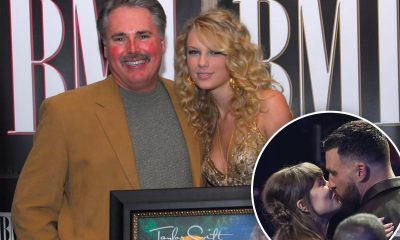

Taylor Swift’s teacher Kirk Schwabe dies after cancer battle on same day as singer’s MSG wedding to Travis Kelce
Taylor Swift’s former teacher died on the same day as her wedding to Travis Kelce in New York City. Kirk...


Selena Gomez glitters in gold Oscar de la Renta dress at Taylor Swift, Travis Kelce wedding
Selena Gomez wore a gold Oscar de la Renta gown to Taylor Swift and Travis Kelce’s wedding. Instagram/@renatocampora No champagne...


Bunnie Xo makes very surprising announcement after Jelly Roll marriage split
Bunnie Xo is heading back to school after her breakup from country artist Jelly Roll. The “Dumb Blonde” podcast host,...


Inside Taylor Swift and Travis Kelce’s rehearsal dinner
Taylor Swift and Travis Kelce celebrated their rehearsal dinner with 100 of their closest family and friends in a venue...


Blake Lively, Ryan Reynolds flee NYC ahead of Taylor Swift, Travis Kelce’s wedding
Blake Lively and Ryan Reynolds were snapped far away from Taylor Swift and Travis Kelce’s star-studded rehearsal dinner. Lively, 38,...


‘This world is so f–ked’
Frankie Muniz’s estranged wife has his back. After the actor deleted his initial divorce announcement and uploaded a new one...


Ryan Lochte’s ex-wife Kayla Rae Reid celebrates being ‘finally free’ as divorce is made official
Kayla Rae Reid is celebrating her divorce from Olympic swimmer Ryan Lochte more than a year after they separated. “As...


Staggering six-figure cost of Taylor Swift and Travis Kelce’s MSG wedding police presence revealed
Champagne problems. The police presence at Taylor Swift and Travis Kelce’s upcoming Madison Square Garden wedding will reportedly cost a...


Spencer Pratt makes new claim about Daveigh Chase’s death
Spencer Pratt claimed in a bold new social media post that “Lilo & Stitch” star Daveigh Chase died because she...


Streaming date, where to watch
Page Six may be compensated and/or receive an affiliate commission if you click or buy through our links. Featured pricing...


Meghan Markle’s Heidi Merrick slip dress was just restocked
Page Six may be compensated and/or receive an affiliate commission if you click or buy through our links. Featured pricing...


Jane Seymour admits one workout is completely off-limits at 75: ‘I’m way too A-type’
Jane Seymour has one surprising fitness confession at 75. Seymour relies on a routine that’s kept her energized for decades — one...


Kanye West drops staggering six figures on masquerade-themed birthday party with wife Bianca Censori
Kanye West reportedly spent nearly $400,000 on a masquerade-themed birthday party at the Château de Versailles in France. The Grammy...


Aaron Lewis stunned after Taylor Swift merch ships with shredded pages from his album
Taylor Swift’s latest merch drop left country artist Aaron Lewis stunned after pages from his upcoming album turned up shredded...


Jennifer Lopez shares intimate photos from twins’ graduation ceremonies
Jennifer Lopez’s love for her twins don’t cost a thing. The singer, 56, took to Instagram on Thursday to share...


26 celebrity-worn Prime Day clothing and shoe deals start under $8
Page Six may be compensated and/or receive an affiliate commission if you click or buy through our links. Featured pricing...


Person claims to have video of Nancy Guthrie with kidnapper in bombshell new ransom letter
Someone claims to have a video of Nancy Guthrie with her kidnapper in a bombshell new ransom letter. The letter...


Country star Kane Brown suffers freak golf ball accident
Country star Kane Brown is thanking his lucky stars after he was hit by a golf ball at a high...


Teddi Mellencamp gives rare update on what ‘cancer recovery looks like’ in tearful video
Teddi Mellencamp posted a vulnerable video revealing what her cancer recovery looks like. “This is what recovery looks like. One...


Clay Aiken says Kelly Ripa feud sparked ‘most catastrophic week’ of his life
Clay Aiken spoke out about the moment he contentiously placed his hand over Kelly Ripa’s mouth more than two decades...


Singer Jewel reveals shoplifting addiction while homeless nearly destroyed her
Jewel was once homeless and suffering from debilitating mental health issues before transforming her life and becoming a successful singer and...


Heartbreak behind the scenes at ‘Today’ for Savannah Guthrie
“It was a sad day,” behind the scenes of the “Today” show on Tuesday, as Savannah Guthrie broke down in...


Cozy Earth, Apple and more
Page Six may be compensated and/or receive an affiliate commission if you click or buy through our links. Featured pricing...


I tried Bethenny Frankel’s ‘outrageous’ $48 BaubleBar necklace
Page Six may be compensated and/or receive an affiliate commission if you click or buy through our links. Featured pricing...


Where the Cannes Lions jet-setters eat, drink and stay on the Riviera
As the world’s biggest brands, A-listers and power players descend on the French Riviera for Cannes Lions, Page Six asked...


Blake Lively grocery shops while former BFF Taylor Swift throws bachelorette party with closest pals
Blake Lively was snapped running errands solo Friday as her former BFF, Taylor Swift, spent the weekend celebrating with her...


Rod Stewart, 81, stops Utah concert to use oxygen tank onstage after nearly fainting
Rod Stewart was forced to use an oxygen tank onstage when he nearly fainted during his Utah concert on Friday...


Taylor Swift-approved singer scores invite to her wedding celebration with Travis Kelce: report
Sombr will remember the night. The singer has scored an invite to pal Taylor Swift and Travis Kelce’s wedding celebration....


Daveigh Chase’s mom breaks silence on actress’ death
Daveigh Chase’s mother, Cathy Chase, revealed her stunned reaction to her daughter’s death in an emotional new interview. “I was...


Hit 90s movie franchise returns after 24 years, star confirms
A hit film from the 90s and noughties is about to get revived after 24 years. Austin Powers, the comedy...


Bunnie Xo reveals the fight that led to Jelly Roll divorce filing in bombshell tell-all video
Bunnie Xo finally addressed her bombshell divorce from Jelly Roll after 10 years of marriage. “J and I have never...


Daveigh Chase’s former manager casts doubt on late actress’ alleged boyfriend’s GoFundMe
Daveigh Chase’s former manager is urging fans not to donate to the late actress’ alleged boyfriend Roy Hernandez’s viral GoFundMe....


‘Scream 2’ star mocked for ‘bitching’ about his low residuals from 1997 film
Your favorite scary movie isn’t raking in the residuals. After “Scream 2” star Craig Shoemaker took to Instagram to share...


‘Widow’s Bay’ Season 1 ended with a wild plot twist
Down by the bay… Warning: Spoilers ahead! Do not proceed unless you’ve watched the “Widows Bay” Season 1 finale, “We...


Casa Amor predictions, Kenzie’s secret makeout session, & Kayda, Zach’s Hideaway visit, VRT unpacks latest episodes
“Love Island: USA” is heating up as the islanders adjust to their new normal after the fan-voted recoupling shook up...


Amanda Seyfried claims she had to hire a bodyguard after Charlie Kirk criticism
Amanda Seyfried claims she was forced to hire a bodyguard after her controversial remarks about Charlie Kirk’s assassination. Speaking to...
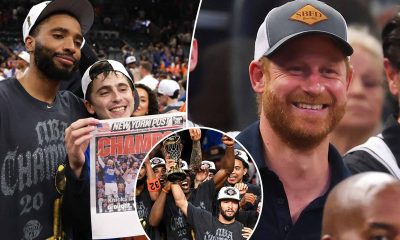

Yapping about Timothée Chalamet as an honorary Knick, Prince Harry’s surprise appearance & more
Ben Stiller is screaming court side, Prince Harry’s arrival was a surprise, Timothée Chalamet has champagne in his eyes, Knicks...


Producers step in after Mido gets into alarming fight with Debby and her friends
“90 Day Fiancé” producers stepped in after Mido and Debby got into an explosive argument on Sunday’s episode. Mido, 41,...


Jalen Brunson jokes about his plans after Knicks win — and it involves Mariska Hargitay
Dun dun. Jalen Brunson playfully joked about snagging a role alongside Mariska Hargitay on the crime series “Law & Order:...


Spike Lee denies Prince Harry’s handshake in awkward Knicks vs. Spurs game interaction
So much for doing the right thing. Spike Lee rejected Prince Harry’s handshake in an awkward moment at Saturday’s New...


Taylor Swift and Travis Kelce put wedding guests on lockdown with ‘ironclad’ NDA: report
Taylor Swift and Travis Kelce’s love story includes an NDA. Ahead of the couple’s upcoming nuptials, TMZ reported on Saturday...


Katy Perry sparkles in silver for World Cup 2026 opening ceremony performance
Katy Perry kicked off the 2026 World Cup with a bang. She brought the energy at SoFi Stadium in Los...


David Faustino gives update on Christina Applegate’s ‘very hard’ MS battle
David Faustino, who played Christina Applegate’s brother in “Married… With Children,” revealed the actress still has her signature humor as...


Mariska Hargitay’s schedule sparks Swift wedding speculation
Looks like Mariska Hargitay is going to be back at Madison Square Garden with Taylor Swift. The “Law & Order:...


Taylor Swift has Knicks game run-in with Kylie Jenner after Kim Kardashian feud
What bad blood? Taylor Swift was all smiles greeting Kylie Jenner at Wednesday night’s New York Knicks game despite her...
-

 Trending3 weeks ago
Overland couple killed in Guatemala after being deported by ICE
-
News2 weeks ago
Interstellar Travel: the Birth of Fusion Drives
-
News2 weeks ago
Scientist Constructs “Big Picture” of Mars Water from Rover Data
-

 News3 weeks ago
Murder trial set for driver accused of killing 4 Pepperdine students
-

 News3 weeks ago
JWST Could Spot Volcanic “Exo-Ios” Around Super-Jupiters
-
Entertainment3 weeks ago
‘Baywatch’ star Brooks Nader is red hot for summer and more star snaps
-
Trending2 weeks ago
Family pushes for answers after 3 people found dead in Rocky Mount home days after electricity cut :: WRAL.com
-
Entertainment2 weeks ago
Sex is legal once a year in lame rom-com