
Hayden Schlossberg, Jon Hurwitz, and Josh Heald
Courtesy


KITT is going on a new ride courtesy of the creators of Cobra Kai.
Jon Hurwitz, Hayden Schlossberg and Josh Heald, the creators behind the worldwide Netflix sensation, are in talks to bring Knight Rider, the 1980s action drama centered on a computerized talking car, to the big screen.
Heald, Hurwitz and Schlossberg are in early talks to write the screenplay, with Hurwitz and Schlossberg in early talks to direct.
The trio will also produce, via their Counterbalance Entertainment production company, joining Kelly McCormick and David Leitch (The Fall Guy), who are producing through their banner 87North and its first-look deal with Universal. Gary Barber and Chris Stone will produce through Spyglass.
Airing on NBC from 1982 to 1986 and created by prolific TV producer Glen A. Larson, Knight Rider was a key series of the era, featuring a ridiculous high-concept, a hunky lead, and a memorable synth theme.
David Hasselhoff starred as Michael Knight, a detective who becomes an agent for FLAG, the Foundation for Law and Government, and is partnered with KITT, a modified, artificially intelligent and indestructible Trans Am. Together, the two sped head-on to fight criminals who operate above the law.
A feature take has been in development for a while and the project had a previous script by Kevin Burrows and Matt Mider. The new take is being kept in the back of a semi-trailer, but expect the unexpected when it comes to the Cobra Kai creators.
Hayden Schlossberg, Jon Hurwitz, and Josh Heald
Courtesy
Hurwitz and Schlossberg earned their first screen and directing credits with the trippy Harold & Kumar movies and later wrote and directed American Pie sequel American Reunion for Universal.
They teamed up with Heald to create, showrun and executive produce Cobra Kai, a series that served as a sequel to the classic Karate Kid movies. Taking a new perspective on old story and property by blending old characters with new talent, and melding comedy with drama and heart with action, the trio found a way to appeal to multiple generations. The show became not only one of Netflix’s biggest successes but also proved to be a hit with critics and peers, with the third season earning an Emmy nomination for outstanding comedy series.
After the show wrapped its sixth and final season earlier this year on Netflix, Hurwitz, Schlossberg and Heald began looking for their next adventures. One of those is a new installment of Harold & Kumar for Lionsgate/Mandate Pictures.
The team has shown a propensity for rethinking classic stories and IP in fresh ways, and on top of Knight Rider and Karate Kid/Cobra Kai, the trio has also tackled a spinoff of 1980s classic Ferris Bueller’s Day Off for Paramount. That project would have told the story of the two valets and the joyride they took with the classic Ferrari.
Hurwitz, Schlossberg and Heald are repped by CAA. Hurwitz and Schlossberg are additionally repped by Hansen Jacobson, while Heald is repped by Behr Abramson.
Universal’s executive vp of production development Matt Reilly and director of development Tony Ducret will oversee the project for the studio.

After spending some time with the Patriots during training camp, DeAndre Hopkins has found a more permanent job in coaching.
Per Matt Zenitz of CBS Sports, Georgia Tech is expected to hire Hopkins as a member of the program’s offensive staff.
After departing New England’s training camp, Hopkins has spent time this week visiting with the team.
George Godsey, Georgia Tech’s offensive coordinator, was previously Hopkins’ OC with the Texans from 2015-2016. Godsey was also on last year’s Ravens staff as tight ends coach when Hopkins was with Baltimore.
If this is indeed the end for Hopkins as an NFL player, he’ll finish with 1,006 receptions for 13,295 yards with 85 touchdowns in 195 games over 13 seasons. He had 22 catches for 330 yards with two TDs with the Ravens last year.

When President Trump plucked Pete Hegseth from Fox News to be his secretary of defense, Pentagon officials scrambled to get with their new boss’s pugnacious program: Lethality and battlefield swagger were in; “wokeness” and operational restraint were out. Hegseth’s subsequent purge at the Defense Department included the dramatic downsizing of staff dedicated to avoiding civilian casualties in war. They had been part of a military-wide system built up after tens of thousands of ordinary people were killed during the wars in Iraq and Afghanistan. Congress mandated some of the enhancements. But Hegseth fired or reassigned almost all of the staff working on the program.
Now the Pentagon is considering restoring as many as half of the roles that were cut as the military reckons with the human impact of its five-month, on-again, off-again war with Iran, in particular an air strike in the first hours of the conflict that killed almost 170 people, most of them children, at a school in Minab, in southern Iran. The potential reversal, which hasn’t previously been reported, now awaits Hegseth’s signature.
A Pentagon inspector-general report this spring found that the department’s deep cuts in civilian-harm protections may have violated laws designed to safeguard noncombatants. Democrats are urging the Defense Department to reverse course. Hegseth’s comments and service history suggest that he will do otherwise. A Pentagon official—who, like other officials, spoke with us on the condition of anonymity to discuss internal deliberations—said in a statement that the setup for preventing civilian harm is “currently undergoing a strategic reassessment to inform its future reorganization” and would remain in compliance with congressional requirements, but that no final decisions have been made.
Hegseth, who served in Iraq and Afghanistan with the National Guard, arrived at the Pentagon early last year with a record of railing against what he characterized as unnecessary shackles on battlefield operators, such as military “jagoffs” (a play on judge advocates general, known as JAGs) and international law. His on-air advocacy for troops accused or convicted of war crimes helped forge his bond with Trump. Within months of his taking office, the Pentagon had slashed the number of total staff working to prevent and investigate civilian-casualty incidents by about 90 percent.
Hegseth brought the same gloves-off mentality to the war in Iran, which remains in a protracted limbo that has crippled maritime commerce and thrust Persian Gulf allies into open conflict with Tehran. “No stupid rules of engagement, no nation-building quagmire, no democracy-building exercise, no politically correct wars,” Hegseth told reporters early in the conflict. “We fight to win, and we don’t waste time or lives.” Trump also has made repeated threats to strike bridges and power plants, actions that under many circumstances could constitute war crimes.
Hegseth has said that Tehran positions its military assets alongside civilian sites such as hospitals and schools. Iran has also struck apartment buildings and energy facilities across the Gulf and killed at least 18 U.S. troops in the region. But the strike on the school in Minab appears to have been the worst on civilians in a U.S. operation since the Gulf War in 1991. Immediately after, U.S. defense officials professed disbelief that the U.S. military could have hit a school. They wondered whether the Israeli military had done it. Trump suggested that Iran was responsible. But the strike had involved a Tomahawk missile, a weapon Iran does not have. And an initial examination found that although Iran’s military had once occupied the building, that was no longer true. The U.S. government had possessed intelligence about the site’s conversion into a school; that information never made its way to the strike’s planners, defense officials told us.
At the recent G7 summit in France, Trump told reporters that “nobody did that on purpose” and said that the findings of an official Pentagon investigation—the only one of its kind so far in the Iran war—should eventually be released. Hegseth has repeatedly said that the U.S. military does not intentionally target civilians and has promised to make the investigation’s conclusions public, but he has not said when or whether that will include all of the report.
Inside Iran, the death toll in Minab—168—has become a defining symbol of U.S. aggression. State media and government officials regularly invoke the incident and commemorate it in public ceremonies. During the FIFA World Cup, members of Iran’s team wore #168 pins and posed before rows of children’s backpacks.
Military operations are judged almost instantaneously by audiences around the world, making public perception an important strategic consideration, Geoffrey Corn, the director of the Center for Military Law and Policy at Texas Tech University, told us. Corn is a proponent of embedding experts on avoiding civilian casualties in military targeting teams. The most important thing the United States could have done soon after the Minab strike, Corn told us, would have been to publicly address what happened: Was the strike based on faulty intelligence? Outdated information? A missile malfunction, or some other error? “Because if you don’t, you’re ceding the narrative to anybody who wants to condemn you,” Corn added. “You are setting the conditions for strategic failure.”
The need to improve protections for civilians was a lesson learned at the cost of many innocent lives over two decades of U.S. counterinsurgent wars.
In September 2006, the Pentagon formally added legitimacy, restraint, and perseverance to its Principles of Joint Operations, defining legitimacy as “the legality, morality, and rightness of the actions undertaken.” The conclusion from Iraq and Afghanistan was that battlefield success alone was insufficient; military force had to be perceived as not only lawful but also just and prudent if it was going to achieve lasting results. Corn pointed to the United States’ reputational damage caused by the Trump administration’s lethal campaign against suspected drug boats in the Caribbean, and the global outcry against Israel over the tens of thousands of deaths in Gaza.
Civilian-harm mitigation within the U.S. military ramped up during the campaign against the Islamic State. Watchdog groups such as the United Kingdom–based Airwars began working closely with U.S. Central Command, providing on-the-ground information for U.S. forces who often struggled to assess the results of their strikes. After a U.S. drone mistakenly killed 10 civilians during America’s 2021 withdrawal from Afghanistan, then–Defense Secretary Lloyd Austin ordered up the Civilian Harm Mitigation and Response Action Plan to formalize those practices across the Pentagon.
Over time, Centcom and other combatant commands built up these operations. Experts on civilian patterns of life and other advisers helped military targeters assess risks before strikes were launched and investigated casualty reports after. The Pentagon opened an office to train personnel across the ranks and incorporate lessons into future operations. (The gap between official and outside estimates on civilian casualties has at times, however, remained wide: Airwars estimated that more than 8,000 civilians died in the campaign against the Islamic State from 2014 to 2018; the official toll is roughly 1,500.)
Some of that structure still exists, but is much diminished. The U.S. military, meanwhile, has been engaged everywhere—Yemen, Somalia, Venezuela. In the Caribbean and eastern Pacific, the U.S. says that it has killed 221 people in small boats over 11 months; the U.S. alleges that the crews are smuggling drugs but has presented no evidence. Human-rights groups estimate that more than 1,000 civilians have been killed in Iran in the U.S. and Israeli air campaign.
“Over the last year, we have seen a total disconnect between the willingness to wage wars all over the world, at an unprecedented pace and scale, while at the same time all but abandoning their leading role in setting up the systems and approaches needed to better protect civilians,” Emily Tripp, the head of Airwars, told us.
The leadership of the Pentagon’s combatant commands have uniformly voiced support internally for the restoration of the personnel, a U.S. official told us, because they value the additional safeguards. Commanders learned over the years that civilian casualties fueled insurgent recruitment, eroded local support, and undermined political objectives. Advances in intelligence, surveillance, and precision targeting also have helped reduce the risk of hitting civilians. (Civilian-protection advisers were never given the power to overrule or veto actions proposed by commanders; they could only advise and provide additional information.)
“Restoring personnel dedicated to civilian protection—and actually allowing them to do their jobs—is one critical step towards preventing future harm,” Annie Shiel, the U.S. advocacy director at the Center for Civilians in Conflict, told us.
Even if Hegseth endorses the proposal, future success may depend on whether he embraces a different tone. “If there is a change in attitude from the top, that could be significant,” Brian Finucane, a former State Department lawyer who is now a senior adviser at the International Crisis Group, told us. “But if this is a box-checking exercise, it won’t make a difference.”
Hegseth and Trump have both, at least so far in the Iran war, used much more belligerent language than their own military commanders have. The White House, early on, posted images of U.S. strikes alongside the caption “No pause. No hesitation.” Admiral Brad Cooper, the head of Centcom, had a contrasting message for troops in a memo this spring. “Our commitment to the law of armed conflict is not a constraint on our lethality,” he wrote. “It is the source of our legitimacy.”
A Hegseth endorsement of the proposal to restore protections against civilian harm would mark a rare acknowledgement that his radical reforms at the Pentagon may, at least in one area, have gone too far.

A Los Angeles model and influencer who was charged earlier this year for allegedly burglarizing homes of people she met online was arrested again in Beverly Hills, NBC Los Angeles learned Wednesday.
Adva Lavie, also known as Mia Ventura, was charged in March with two counts of unauthorized use of personal identifying information; two counts of grand theft; one count of first-degree residential burglary with a person present and one count of first-degree residential burglary. After pleading not guilty, the 28-year-old was released from custody with an electronic ankle monitor, LA County prosecutors had said.
Then, around 10:30 p.m. Tuesday, Lavie was arrested again by Beverly Hills police on North Cannon Boulevard near Brighton Way in connection with a separate theft allegation in Riverside County.
Lavie is also in violation of a court order, according to the Beverly Hills Police Department.
She is expected to appear in court on Thursday.
Officials said from 2023 to 2025, Lavie developed relationships through dating apps to steal from wealthy older men and younger women in Westlake Village, West Hollywood, Los Angeles and Beverly Hills. She is also accused of posing as a girlfriend and travel companion to steal cash, gold and designer items from her victims’ homes.
She faces up to 11 years and eight months in state prison, if convicted as charged.



Authorities have released the full contents of the alleged ransom notes sent after Nancy Guthrie’s disappearance from her Arizona home...


After spending some time with the Patriots during training camp, DeAndre Hopkins has found a more permanent job in coaching....
South Korea’s KOSPI index has swung wildly because of both the enthusiasm and anxiety related to investing in the global...


When President Trump plucked Pete Hegseth from Fox News to be his secretary of defense, Pentagon officials scrambled to get...


Most of us are familiar with Betelgeuse (also known as alpha Orionis), the bright shoulder star in the constellation Orion....


Shania Twain revealed that she grew up in a “very violent” home where she and her sisters were physically abused...


A Los Angeles model and influencer who was charged earlier this year for allegedly burglarizing homes of people she met...


Cleanup efforts at the Lineage cold-storage warehouse in Boyle Heights are nearing the halfway mark, six weeks after a fire...


A showdown between National League East rivals pitting a division leader against one of baseball’s biggest surprises this season begins...


It’s a match made in nepo-baby heaven. At “The Shards” premiere, Kaia Gerber dished to Entertainment Tonight about working with...
With a democratic socialist, Francesca Hong, leading in polls, former Lt. Gov. Mandela Barnes said he was ending his campaign...


Brandon Nakashima pays out $130 for every $100 bet to win against Jacob Mensik, the -160 favorite in this ATP...


Every exoplanet we’ve ever found has been, in some sense, invisible. We infer them from a star’s wobble, or a...


Saudi Arabia is getting pulled further into the Middle East conflict, conducting joint strikes with the US against Iraq this...


Country star Megan Moroney was forced to cancel her Colorado concert mid-set on Tuesday night, telling fans through tears she...


Scores of employees rushed to evacuate a seven-story office building in Culver City that houses TikTok’s U.S. headquarters after an...


Eugene “Big U” Henley, a Los Angeles Crips leader turned gang interventionist, allegedly solicited fellow jail inmates to murder or...
A seven-figure settlement is announced two days before a scheduled Senate committee vote on Todd Blanche’s nomination to be attorney...


La Junta Directiva del FC Barcelona se ha reunido hoy, miércoles 29 de julio, en sesión ordinaria en las instalaciones...


Page Six may be compensated and/or receive an affiliate commission if you click or buy through our links. Featured pricing...


Lee este reporte en español. An Overland couple who had recently returned to Guatemala was found bound and shot to...


What happens when a black hole and a star meet in the middle of nowhere in a galaxy? It sounds...


Check out what’s clicking on FoxBusiness.com. Costco shoppers in Washington may be eligible to receive a cash payout after the...


Page Six may be compensated and/or receive an affiliate commission if you click or buy through our links. Featured pricing...


A magnitude 4.2 earthquake was reported Tuesday at 7:40 p.m., eight miles from Healdsburg, Calif., according to the U.S. Geological...


First Test, Tarouba (day three of five) West Indies 311 (Hope 92; Ali 4-50) & 126-7 (Chanderpaul 35, Abbas 3-14)...
The attack in the Caspian Sea was an unusually direct encounter between two countries that have been on opposite sides...


‘Baywatch’ star Brooks Nader is red hot for summer and more star snaps Brooks Nader sizzles on the beach while...
Access Denied You don’t have permission to access “http://www.wkyc.com/article/life/shopping/ikea-crocker-park-announcement-westlake-ohio-store-opening-spring-2027/95-755a2d1d-9484-4e9e-bad0-af7191b29405” on this server. Reference #18.aa847b5c.1785249754.1c62356c https://errors.edgesuite.net/18.aa847b5c.1785249754.1c62356c Source link


Jupiter’s moon, Io, is the most volcanically active planetary body in the solar system, boasting hundreds of active volcanoes spewing...


A photo of one of NASA’s Curiosity Mars rover’s wheels, taken by the rover using its Mars Hand Lens Imager...


Driving at speeds of up to 104 mph, Fraser Michael Bohm whipped around a section of Pacific Coast Highway known...


While A-list celebs from Ryan Gosling to Johnny Depp appeared at San Diego Comic-Con to promote their blockbuster studio projects,...


US President Donald Trump makes an announcement on American Nuclear Innovation in the Oval Office of the White House in...
The first U.S. attempt at reopening a shuttered reactor has been held back by run-down equipment and a lack of...


CHICAGO (WLS) — Severe weather spawning tornado warnings are moving through the Chicago area Monday afternoon. A Tornado Warning is...


Carnie Wilson had a “fangirl” moment with Kristy McNichol decades after the actress’ retirement. “Totally fangirling!!!” the singer, 58, recently...


A black hole merger is one of the Universe’s more energetic, massive, and weird events. During such a collision, two...


BOGOTÁ (AP) — A dos semanas de dejar el poder y durante uno de sus últimos actos oficiales, el presidente...


La actriz Gema Garoa se encuentra de luto. Este fin de semana le notificaron sobre la muerte de su padre....


Los Angeles firefighters are mourning the death of a colleague in a crash in Whittier early Friday morning that involved...


Usher quickly put a stop to sexily serenading a fan onstage after she got visibly uncomfortable. In a now-viral moment...


Kerry: Shane Murphy; Paul Murphy, Jason Foley, Dylan Casey (0-1); Graham O’Sullivan (0-1), Mike Breen, Gavin White; Mark O’Shea, Sean...
The confrontation with the suspect in what has been described as a likely act of Islamist terrorism occurred as a...


Apple’s highly anticipated next-generation Apple TV is rumored to make its debut at the company’s September 2026 event. This potential...
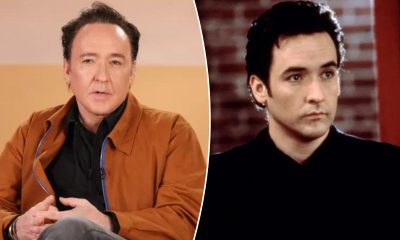

John Cusack opened up about why he’s largely taken a step back from Hollywood. The “Being John Malkovich” star, 60,...


Sub-Neptune exoplanets, exoplanets that are slightly smaller than Neptune, have been designated as the most common type of planet in...


Marvel Studios chief Kevin Feige surprised San Diego Comic Con attendees with exclusive footage of “Avengers: Doomsday,” shown only to...


Approximately 50 demonstrators gathered Saturday morning in Pasadena as part of a national action to honor lives lost during immigration...


PHOENIX (AZFamily) — An outflow boundary is causing winds to gust in the lower elevations. 25 July 2026 3:40 PM...


Kelly Clarkson defended her right to remain single during a recent Las Vegas residency show. “People are like, ‘Oh, why...
A New York Times investigation found that President Trump’s push to speed delivery of the aircraft led to ballooning costs...


--> The Sacramento Kings are nearly done with their 2026 offseason, but after waiving DeMar DeRozan in early July, they...


SpaceX’s Starship super-rocket deployed operational next-generation Starlink satellites for the first time during its 13th flight test, which addressed snags...


Paul Abraham IMMAF will once again be represented inside the Octagon this weekend. At UFC Abu Dhabi: Ankalaev vs. Guskov,...


Eric Dane believed that “Euphoria” was “the most profound experience” of his career. Dane appeared in the documentary special, “Euphoria:...


What do Ukrainian food, soft serve and Thai fusion tacos have in common? They’re all served out of trucks built...


Atlante vs. América es un partido atractivo por tratarse del regreso de un equipo histórico del futbol mexicano como lo...


Bret Michaels revealed he underwent an unexpected surgery after experiencing “intense” pain from a kidney stone. The Poison frontman, 63,...


The bearish Tesla set-up we flagged ahead of Wednesday’s report has delivered most of what it can. Two ways forward:...
More measles cases have been reported in the United States in the last two years than in all the years...


AP — Grammy-winning US singer Chris Brown pleaded guilty Friday to affray over an altercation in a London nightclub in a...


Comets are known for providing breathtaking observations of their long and shiny tails when they travel too close to the...


Johnny Depp stunned fans by showing up at San Diego Comic-Con Thursday dressed as Ebenezer Scrooge. The “Sleepy Hollow” actor...


Hello everyone, I am Takeshi Yamanaka, producer of MARVEL Tōkon: Fighting Souls. Earlier today at San Diego Comic-Con, we hosted...


Health authorities are looking for people who may have come into contact with a bat that fell onto a table...


2026 Honda Ridgeline pickup truck. Courtesy HondaHonda, Honda Motor on Thursday confirmed a next-generation model of its Ridgeline pickup truck...
After Andrew and Tristan Tate, prominent leaders of the so-called manosphere, were arrested in Miami, many of their onetime allies...


Kayla Nicole is ready to sashay into the ballroom. “Kayla Nicole would love to appear on ‘Dancing With The Stars.’...


Netflix and Tyler Perry have committed to telling more Beauty in Black stories as the streamer has renewed the drama...


The Milky Way is ancient, and its first stars formed shortly after the Big Bang. It’s been through a lot...


A woman is recovering after she was attacked by a brown bear while hiking through an Alaskan trail over the...


Chadwick Boseman’s family members are feuding over his estate, nearly six years after his tragic death. According to documents obtained...


Two members of an Orange County street gang were found guilty of murdering a man while attempting to carry out...


The WNBA announced its 3-Point Contest field Tuesday, and it didn’t take long to notice a glaring omission. Caitlin Clark...
Is celibacy cool now?


El Valencia y el Eldense se enfrentan en un partido amistoso de pretemporada, parte de los Amistosos de Clubs 2026....


Heidi Montag is back in her pop star era. The “Hills” alum channeled Barbie as she performed an hour-long set...


Christian Mosley-Richardson (izquierda) ayuda a Johnisha West a llenar sacos de arena antes de la llegada de la tormenta tropical...


Somewhere near the star Altair, one of the brighter stars in the northern summer sky, sits an object that has...


Colman Domingo has some thoughts on some “The Odyssey” detractors. Domingo, the latest guest host of “Jimmy Kimmel Live!” amid...


Zendaya is happy to let everyone know she’s off the market for good. The “Dune” actress, 29, had the perfect...


A 20-year-old woman was fatally shot through the window of her South Los Angeles home in the early hours of...


Bruce Springsteen faces growing criticism over high ticket prices, anti-Trump speech Joe Concha, a Fox News contributor, reacts to Bruce...
On top of everything else, the president is inept.


The deaf actress played Jia in the 2021 movie, reprising the role in 2024 for “Godzilla X Kong: The New...


5.0: Campbell was tied for second among all off-ball linebackers last season with 5.0 sacks. Barnes was tied for sixth...


During the Cretaceous-Paleogene period (ca. 66 million years ago), a massive impact triggered an extinction-level event (ELE), wiping out about...


EDITOR’S NOTE: This story includes graphic and disturbing details. The lengthy argument between the young musician who created the anthem...


Electric bike crashes and injuries are increasing at a rapid pace across California, and many of those getting hurt are...


“90 Day Fiancé” star Armando Rubio emotionally shared that his daughter, Hannah, has been discharged from an Arizona hospital after...


“He sees what’s going on. He badly wants to be here,” said Sox interim manager Chad Tracy. “[But] we have...
Both were active-duty soldiers, the Defense Department said. They were killed in action after an Iranian strike on a U.S....


NEWYou can now listen to Fox News articles! President Donald Trump has made his pick to replace the late Sen....


Vice President JD Vance’s brood just got bigger. The politician’s wife, Usha Vance, has given birth to the couple’s fourth...


There is something quietly reassuring about a scientific mystery that gets solved not by a dramatic new discovery, but by...


Fidelity Investments launched its first ETF share classes on June 18, 2026, adding exchange-traded versions of three established mutual fund...


Yaxel Lendeborg and the Warriors defeated Cameron Boozer and the Grizzlies to win the 2026 NBA Summer League championship on...


The former director of the San Francisco Port who was just hired as a city manager in Marin County has...


Madonna, BTS, Shakira, and Justin Bieber had some tricks up their sleeves…


Matty Healy and Gabbriette Bechtel are married. The 1975 frontman, 37, and the model, 28, tied the knot Saturday in...


The crazed man who stormed the “Today” show set on Thursday was seen in the background of one of the...


Savannah Guthrie is skipping town just one day after an intruder lunged at co-anchor Craig Melvin at the “Today” show...


Kyle and Kristin Juszczyk both summed up Taylor Swift and Travis Kelce’s recent nuptials with one word: “Legendary.” “It was...


Seth Rogen admitted he couldn’t stop thanking and apologizing to Penélope Cruz while filming a sex scene for their new...


Page Six may be compensated and/or receive an affiliate commission if you click or buy through our links. Featured pricing...


New York Knicks point guard Tyler Kolek is hoping NFL legend Tom Brady will join celebrity row next season. “He’s...


Page Six may be compensated and/or receive an affiliate commission if you click or buy through our links. Featured pricing...


Zendaya made a show-stopping appearance at “The Odyssey” premiere in New York City, donning ethereal angel wings on the red...


Comedian Tom Segura hinted at his split from wife Christina Pazsitzky by not wearing his wedding ring on his latest...


“How to Eat Fried Worms” star Blake Garrett’s cause of death has been confirmed. The former child star died on...


Jay-Z’s final concert as part of his three-day Yankee Stadium residency was marred by hours-long delays – after hordes of...


Amid reports that Sacha Baron Cohen is secretly filming a new Ali G movie, the star showed up dressed as...


Aaron Lewis is opening up about why he thinks industry executives have cast him aside. During a recent interview on the...


Bunnie Xo doesn’t want her painful divorce from Jelly Roll to be a “permanent headline.” The influencer addressed taking down...


Randolph Mantooth, the actor best known for playing firefighter-paramedic Johnny Gage on NBC’s hit 1970s series “Emergency!,” has died. He...


Prince Harry and Meghan Markle’s kids reunited with their grandfather King Charles for first time in four years, Page Six...


Where there’s smoke, there’s fire. “Real Housewives of Orange County” star Jennifer Pedranti confirmed the “rumblings” Thursday that one of...


Dakota Mortensen was scolded by a judge for driving his and Taylor Frankie Paul’s 2-year-old son, Ever, on a motorcycle....
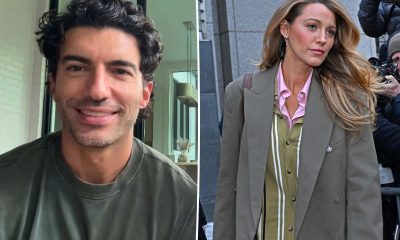

Justin Baldoni is speaking out after settling his long legal battle with Blake Lively. In a video the “Jane the...


Charles Barkley revealed that he turned down an invitation to attend Travis Kelce and Taylor Swift’s New York City wedding....


Bunnie Xo has moved on from her split from Jelly Roll with a much younger man. The “Dumb Blonde” podcast...


Prince Harry marked his return to the UK by supporting his dear friend Misan Harriman during Monday night’s premiere of...


No reservation? No safety! A violent thunderstorm wreaked havoc in Sag Harbor on Saturday amid July 4 celebrations, tearing trees...


Lionel Richie thanked his fans for their support after suffering a health scare on stage which forced him to cancel a string...


Chris Pratt and his wife, Katherine Schwarzenegger, were feeling patriotic as they celebrated the Fourth of July with family. Pratt,...


Taylor Swift’s former teacher died on the same day as her wedding to Travis Kelce in New York City. Kirk...


Selena Gomez wore a gold Oscar de la Renta gown to Taylor Swift and Travis Kelce’s wedding. Instagram/@renatocampora No champagne...


Bunnie Xo is heading back to school after her breakup from country artist Jelly Roll. The “Dumb Blonde” podcast host,...


Taylor Swift and Travis Kelce celebrated their rehearsal dinner with 100 of their closest family and friends in a venue...


Blake Lively and Ryan Reynolds were snapped far away from Taylor Swift and Travis Kelce’s star-studded rehearsal dinner. Lively, 38,...


Frankie Muniz’s estranged wife has his back. After the actor deleted his initial divorce announcement and uploaded a new one...


Kayla Rae Reid is celebrating her divorce from Olympic swimmer Ryan Lochte more than a year after they separated. “As...


Champagne problems. The police presence at Taylor Swift and Travis Kelce’s upcoming Madison Square Garden wedding will reportedly cost a...


Spencer Pratt claimed in a bold new social media post that “Lilo & Stitch” star Daveigh Chase died because she...


Page Six may be compensated and/or receive an affiliate commission if you click or buy through our links. Featured pricing...


Page Six may be compensated and/or receive an affiliate commission if you click or buy through our links. Featured pricing...


Jane Seymour has one surprising fitness confession at 75. Seymour relies on a routine that’s kept her energized for decades — one...


Kanye West reportedly spent nearly $400,000 on a masquerade-themed birthday party at the Château de Versailles in France. The Grammy...


Taylor Swift’s latest merch drop left country artist Aaron Lewis stunned after pages from his upcoming album turned up shredded...


Jennifer Lopez’s love for her twins don’t cost a thing. The singer, 56, took to Instagram on Thursday to share...


Page Six may be compensated and/or receive an affiliate commission if you click or buy through our links. Featured pricing...


Someone claims to have a video of Nancy Guthrie with her kidnapper in a bombshell new ransom letter. The letter...


Country star Kane Brown is thanking his lucky stars after he was hit by a golf ball at a high...


Teddi Mellencamp posted a vulnerable video revealing what her cancer recovery looks like. “This is what recovery looks like. One...


Clay Aiken spoke out about the moment he contentiously placed his hand over Kelly Ripa’s mouth more than two decades...


Jewel was once homeless and suffering from debilitating mental health issues before transforming her life and becoming a successful singer and...


“It was a sad day,” behind the scenes of the “Today” show on Tuesday, as Savannah Guthrie broke down in...


Page Six may be compensated and/or receive an affiliate commission if you click or buy through our links. Featured pricing...


Page Six may be compensated and/or receive an affiliate commission if you click or buy through our links. Featured pricing...


As the world’s biggest brands, A-listers and power players descend on the French Riviera for Cannes Lions, Page Six asked...


Blake Lively was snapped running errands solo Friday as her former BFF, Taylor Swift, spent the weekend celebrating with her...


Rod Stewart was forced to use an oxygen tank onstage when he nearly fainted during his Utah concert on Friday...


Sombr will remember the night. The singer has scored an invite to pal Taylor Swift and Travis Kelce’s wedding celebration....


Daveigh Chase’s mother, Cathy Chase, revealed her stunned reaction to her daughter’s death in an emotional new interview. “I was...


A hit film from the 90s and noughties is about to get revived after 24 years. Austin Powers, the comedy...


Bunnie Xo finally addressed her bombshell divorce from Jelly Roll after 10 years of marriage. “J and I have never...


Daveigh Chase’s former manager is urging fans not to donate to the late actress’ alleged boyfriend Roy Hernandez’s viral GoFundMe....


Your favorite scary movie isn’t raking in the residuals. After “Scream 2” star Craig Shoemaker took to Instagram to share...


Down by the bay… Warning: Spoilers ahead! Do not proceed unless you’ve watched the “Widows Bay” Season 1 finale, “We...


“Love Island: USA” is heating up as the islanders adjust to their new normal after the fan-voted recoupling shook up...


Amanda Seyfried claims she was forced to hire a bodyguard after her controversial remarks about Charlie Kirk’s assassination. Speaking to...
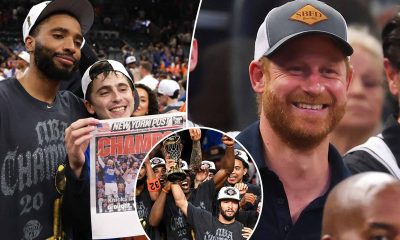

Ben Stiller is screaming court side, Prince Harry’s arrival was a surprise, Timothée Chalamet has champagne in his eyes, Knicks...


“90 Day Fiancé” producers stepped in after Mido and Debby got into an explosive argument on Sunday’s episode. Mido, 41,...


Dun dun. Jalen Brunson playfully joked about snagging a role alongside Mariska Hargitay on the crime series “Law & Order:...


So much for doing the right thing. Spike Lee rejected Prince Harry’s handshake in an awkward moment at Saturday’s New...


Taylor Swift and Travis Kelce’s love story includes an NDA. Ahead of the couple’s upcoming nuptials, TMZ reported on Saturday...


Katy Perry kicked off the 2026 World Cup with a bang. She brought the energy at SoFi Stadium in Los...


David Faustino, who played Christina Applegate’s brother in “Married… With Children,” revealed the actress still has her signature humor as...


Looks like Mariska Hargitay is going to be back at Madison Square Garden with Taylor Swift. The “Law & Order:...


What bad blood? Taylor Swift was all smiles greeting Kylie Jenner at Wednesday night’s New York Knicks game despite her...


This friendship is a slam dunk. Jalen Bruson confessed that he looks for “Law and Order: SVU” actress Mariska Hargitay...


Tom Cruise’s “Jerry McGuire” costar Beau Bridges thinks the 63-year-old actor is getting better and better with age. “I really appreciated...
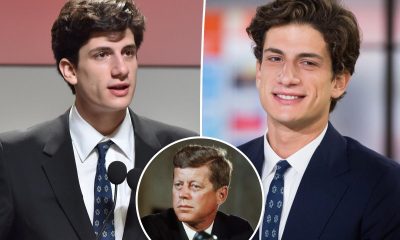

Jack Schlossberg was interviewed on Andy Cohen Live on Tuesday. Getty Images Jack Schlossberg brings a piece of his grandfather...


Heather Locklear is shedding light on her life outside of Hollywood’s inner circle. Locklear was a guest on the Hollywood & Devine...


Grammy-winning songwriter Talay Riley, who worked with Britney Spears and Dua Lipa, was found stabbed to death in London. He...


After decades in the spotlight, Matt Damon is opening up about how Hollywood’s “ruthless” nature has impacted his most important...


Celebs including Kim Kardashian, Alix Earle, and more touched down in Monaco for the F1 Grand Prix. See photos of...


Kate Middleton crossed paths with ex Rupert Finch at the weekend wedding of Peter Phillips and Harriet Sperling. Middleton and...


Tiger Woods is heading home soon. The golf pro, who’s been holed up in a Switzerland treatment center following his...


James Handy’s girlfriend’s son, Michael Gledhill, has officially been charged with one count of murder after the “Top Gun: Maverick”...
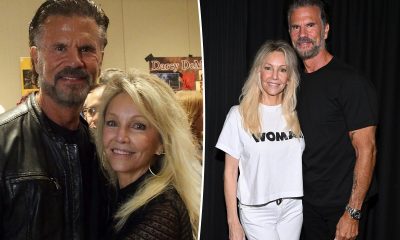

Heather Locklear has spoken out about the new man in her life: Lorenzo Lamas. During an appearance on the “Hollywood & Divine”...


Lena the Plug says she isn’t divorcing husband Adam22 and alleged that a mystery man has been filing court paperwork in...


Cara Delevingne pulled back the curtain on one of the darkest periods of her life. During a candid appearance on Alex...


Page Six may be compensated and/or receive an affiliate commission if you click or buy through our links. Featured pricing...


Taylor Swift’s highly discussed guest list for her upcoming wedding will now apparently include one debated friend who reportedly was...


Page Six may be compensated and/or receive an affiliate commission if you click or buy through our links. Featured pricing...


Black Crowes singer Chris Robinson was booed after mocking fans for a “USA” chant at a Florida show — then...


Page Six may be compensated and/or receive an affiliate commission if you click or buy through our links. Featured pricing...


Warning: Spoilers ahead! Do not proceed unless you’ve watched the Season 3 finale of Euphoria.” Move over, “Game of Thrones”...


Page Six may be compensated and/or receive an affiliate commission if you click or buy through our links. Featured pricing...


Star snaps of the week: Tate McRae, Mindy Kaling, Jennifer Lopez, Olivia Rodrigo and more Kourtney Kardashian stocks up on...


Vanilla Ice is standing by the Freedom 250 concert celebrating America’s milestone birthday after several performers pulled out this week,...


The king of Staten Island has nothing but good things to say about the queen of the Kardashians. “Isn’t it...


Country star Martina McBride has dropped out of the Freedom 250 concert series one day after it was announced, claiming...
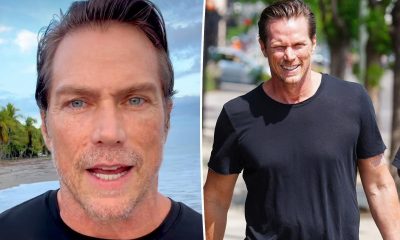

And just like that, Jason Lewis is an author. The “Sex and the City” alum, 54, revealed he moved to...


Travis Kelce gave a sign that he and Taylor Swift are changing their last names after getting married. The NFL...


That’s one way to mix fashion and technology. Celebrities like Maggie Gyllenhaal, Emma Roberts and Lourdes Leon stopped by Longchamp’s...
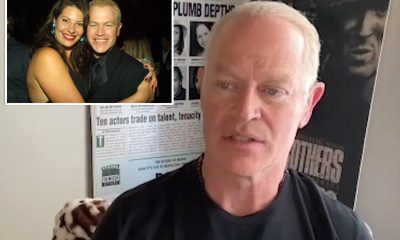

Neal McDonough is looking back on a dark moment in his life and career. During a recent interview with Fox News...


Page Six may be compensated and/or receive an affiliate commission if you click or buy through our links. Featured pricing...
Vrai makes the best lab-grown diamond earrings — just ask Taylor Swift
Zendaya wears angel wings at ‘The Odyssey’ NYC premiere


US marshal shot dead serving arrest warrant in Louisiana | US crime


Consultant worked on $577,000 airport contract while advising Bass for free


After a Billion Kilometres, China’s Asteroid Hunter Finally Arrives


Gracie Abrams: Daughter From Hell Album Review
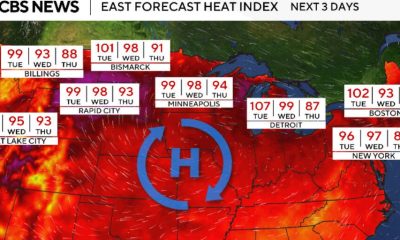

Maps show millions of Americans under heat alerts from extreme temperatures in Plains, Northeast
Trump Pressures ICE to Resume Traffic Stops After They Were Halted Over Fatal Shootings
