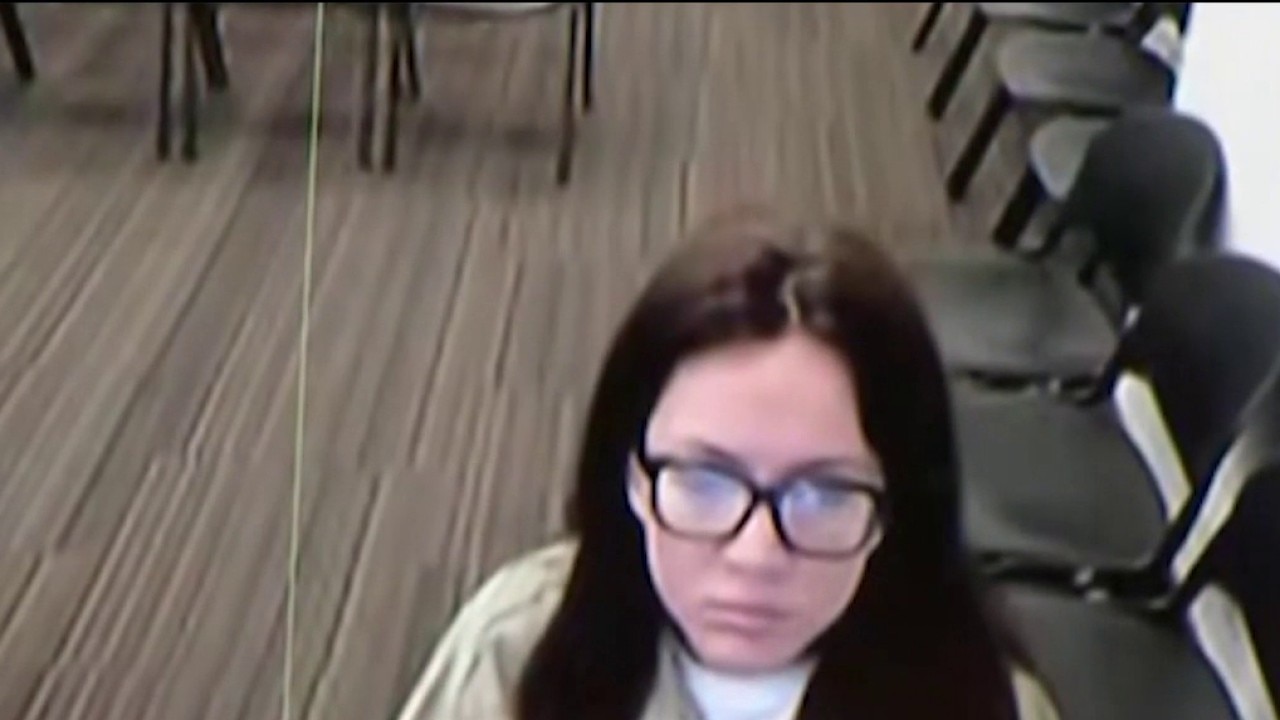
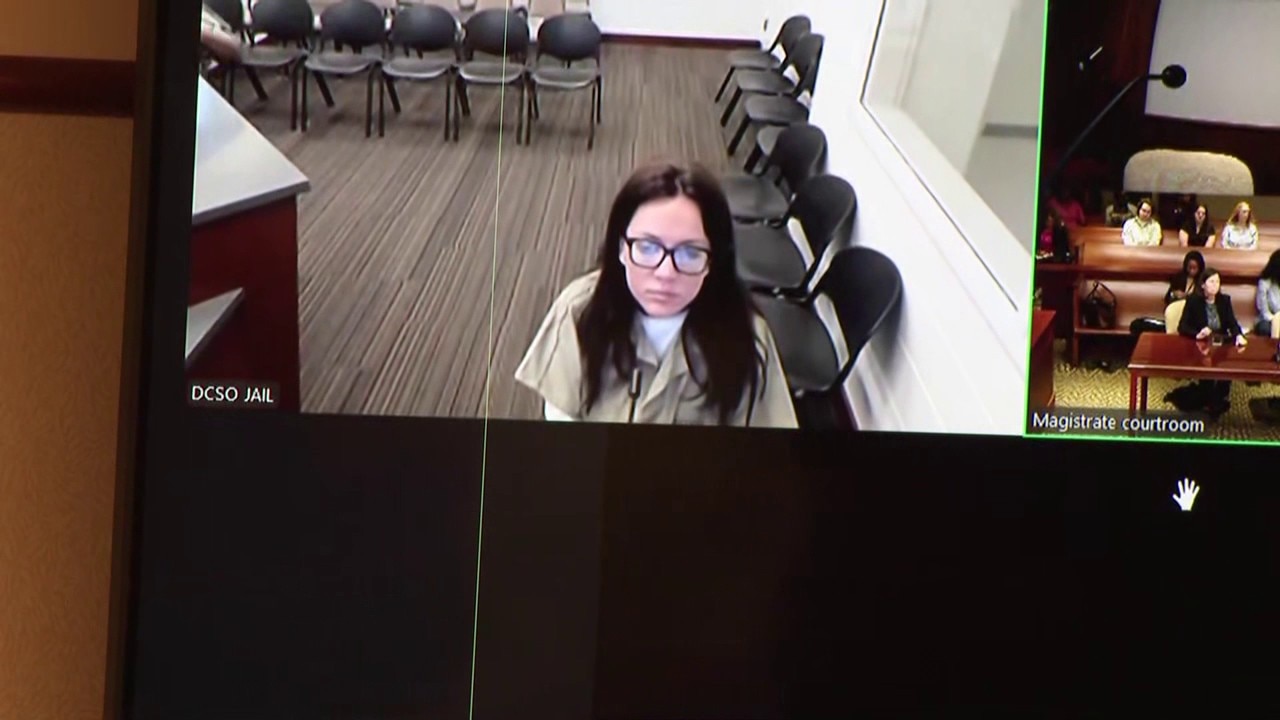
DOUGLAS COUNTY, Ga. – Former Alexander High School biology teacher and football administrator Maris Nichols faced a judge Thursday morning as she deals with 27 criminal counts.
Maris Nichols indicted
What we know:
Former Alexander High School teacher Maris Nichols faces 27 counts including child molestation, grooming of a minor, electronic distribution of obscene materials and sexual exploitation of children.
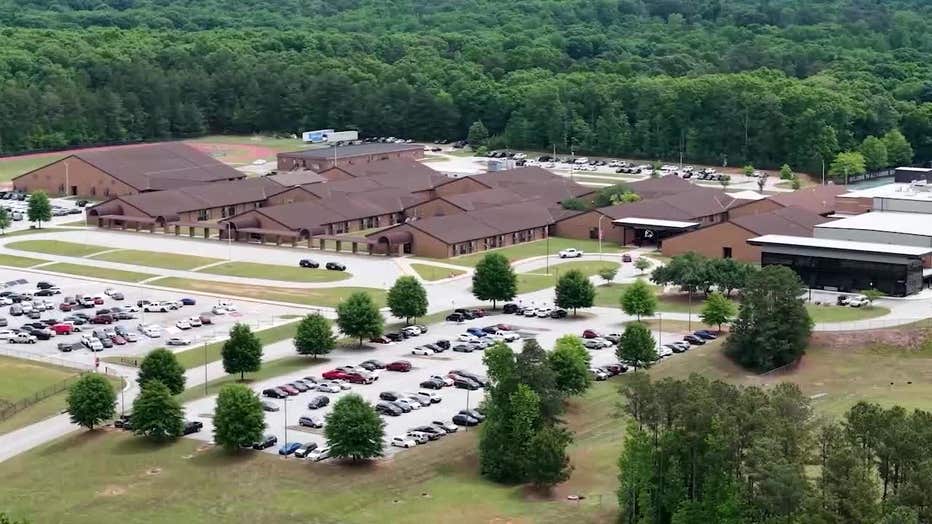
Alexander High School in Douglas County
The court documents detail explicit encounters with at least seven students between January and May. Prosecutors allege Nichols engaged in sexual intercourse, filmed explicit videos with a minor and sent nude photographs to teenagers. She is accused having sex with a student in a school closet and on a truck at a golf course community.
It remains unclear how many total students may have been impacted beyond the students identified in the indictment.
What they’re saying:
Family psychiatrist Dr. Savat Bargabay noted that these cases often stem from a desire for power and control rather than sexual driving forces.
“In fact, most cases of where people are victimized through sexual assault is not about the sex,” Bargabay said. “It has to do with other things that drive that person to want to have power, control.”
The Douglas County teacher accused of repeated sexual misconduct with multiple high school students is back in custody after being indicted by a grand jury. She appeared in court on Thursday morning and will be back in court on Monday. Kevyn Stewart reporting.
Alexander High School accusations
The backstory:
The 25-year-old Nichols was initially arrested on May 8 and released on a $40,000 bond after being charged with two counts of sexual contact. Investigators later uncovered additional victims, leading to a second arrest on May 20 and a total bond increase to $74,000.
As part of that bond, the former biology teacher was required to stay away from the alleged victim, avoid Alexander High School, have no contact with unrelated minors, undergo a mental health evaluation and remain on house arrest except for approved activities.
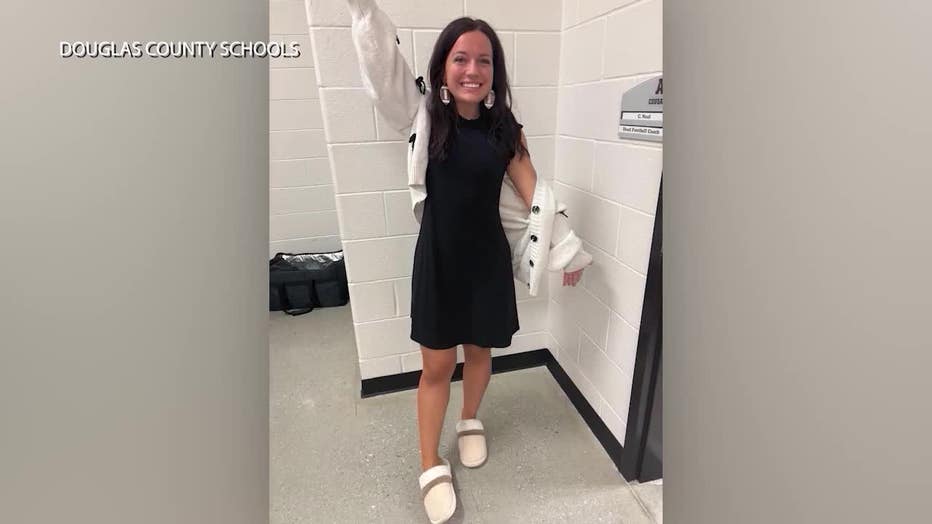
Maris Nichols (Douglas County Schools)
During a 27-day period, authorities say Nichols committed 38 home curfew violations and 47 inclusion zone violations. In addition, investigators uncovered additional allegations of criminal conduct.
Nichols was arrested again on May 20 on a wave of new charges. Despite prosecutors arguing she should remain behind bars, she was granted an increased bond. Tightened bond restrictions were put into place, including an absolute ban on internet access, social media and any contact with minors except her own 6-year-old daughter.
According to the warrants, detectives repeatedly referenced claims that students threatened to expose an alleged OnlyFans account in exchange for favorable grades. Investigators sought extensive records from the platform, including account information, communications, uploaded content, payment records, IP addresses and earnings data.
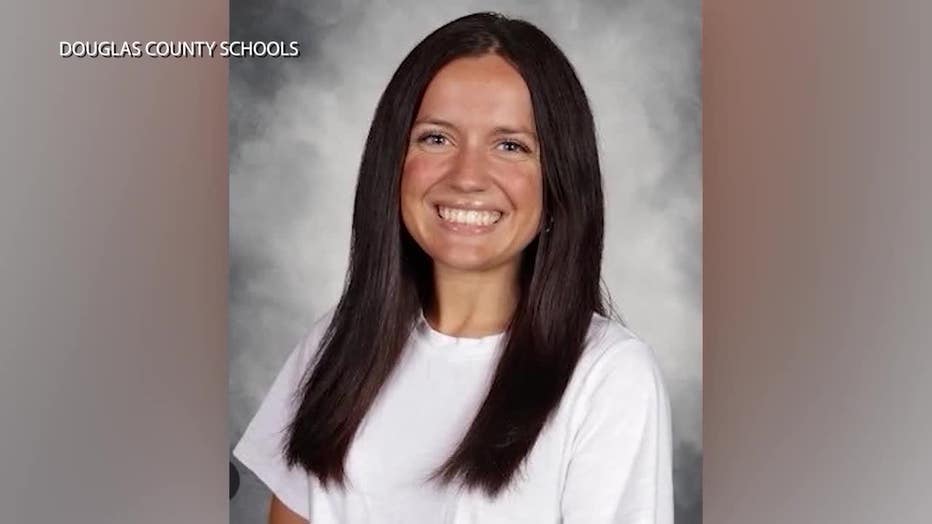
Maris Nichols (Douglas County Schools)
New arrest warrant issued
What’s next:
On Wednesday, authorities issued a new arrest warrant ordering law enforcement to return the former educator to jail without bond.
As of early Thursday morning, jail records indicated Nichols was back in custody with an arrest date of June 25 and no bond.
Nichols also made her first court appearance Thursday morning on the new indictment. During the brief hearing, her attorney waived a formal reading of the arrest warrant and acknowledged that the case is now under the jurisdiction of Douglas County Superior Court because of the grand jury indictment.
The judge advised Nichols of her constitutional rights before ordering the case transferred to Superior Court, where previously scheduled motion hearings remain set for Monday before Judge Cynthia Adams Wallace. No bond was considered during Thursday’s hearing because the case has already been bound over to Superior Court.
The hearing on June 29 is scheduled for 9:30 a.m. Her arraignment is scheduled for 9 a.m. on Aug. 4.
The Source: The information in this story was gathered from court documents and authorities, who detailed the grand jury indictment, listed the specific criminal charges and detailed the subsequent bond violations committed by the accused. The original story was updated Thursday morning with the information that she is back in custody. This story also included statements from the presiding judge and insights from family psychiatrist Dr. Savat Bargabay.