
Trending
Ask the Developer Vol. 21: Tomodachi Life: Living the Dream — Part 1 – News
-
This article has been translated from the original Japanese content.
-
This interview was conducted before the game was released.
In this 21st volume of Ask the Developer, an interview series in which developers convey in their own words Nintendo’s thoughts about creating products and the unusual details they hone in on, we’re talking to the developers behind Tomodachi Life™: Living the Dream, a Nintendo Switch™ game that launches on Thursday, April 16, 2026.
Check out the rest of the interview
Part 1: Living beings with a will and personality
First, could you please briefly introduce yourselves?
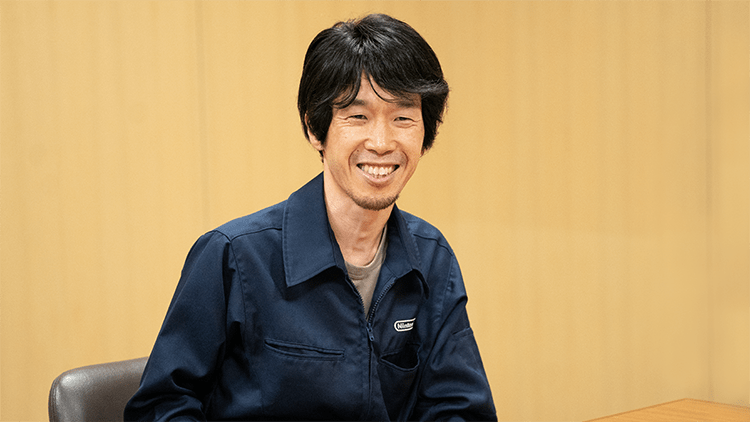
Ryutaro Takahashi (referred to as Takahashi from this point on): Hello, I’m Ryutaro Takahashi. I’ve directed the Tomodachi Life series since its first installment, and continued to serve as the director for Tomodachi Life: Living the Dream.
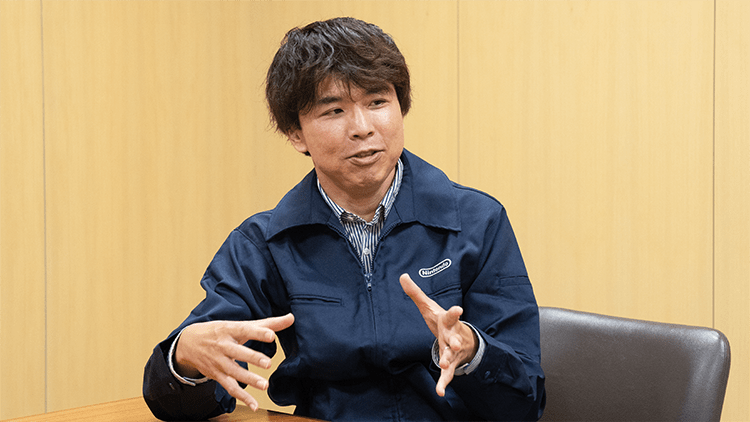
Takaomi Ueno (referred to as Ueno from this point on): Hi, I’m Takaomi Ueno, one of the programming directors. I was previously involved in the development of Tomodachi Life (1) for Nintendo 3DS as the programming lead, and Miitopia (2) as the programming director.
(1) A Nintendo 3DS™ game released in April 2013 in Japan and June 2014 in North America and Europe. Players create original characters called Mii characters, which resemble themselves, their family, or other people close to them, place them on an island, and watch over them as they go about their lives.
(2) A Nintendo 3DS game released in December 2016 in Japan and July 2017 in North America and Europe. Players create a cast of their favorite Mii characters and adventure in a world filled with their acquaintances. A Nintendo Switch version was released in May 2021.
Naonori Ohnishi (referred to as Ohnishi from this point on): Hello, I’m Naonori Ohnishi. As another programming director, I collaborated with Ueno-san, while also serving as a member of the planning team. Before that, I was the programming director for the smart device app Miitomo (3), but this is my first time participating in the development of the Tomodachi Life series.
(3) A smart device application released in March 2016. Create a Mii character that looks like you and communicate with your friends. The service ended in May 2018.
Daisuke Kageyama (referred to as Kageyama from this point on): Hi, I’m Daisuke Kageyama, the art director. This is my third project as an art director, following Wii Sports Resort (4) and nintendogs + cats (5).
(4) Released in July 2009 on Wii™. Set on the tropical resort, Wuhu Island, the game offers 12 activities such as Swordplay and Air Sports.
(5) A Nintendo 3DS game released in February 2011 in Japan and March 2011 in North America and Europe. A simulation game in which you enjoy everyday life with puppies and kittens, playing with toys, going for walks, and training them.
Toru Minegishi (referred to as Minegishi from this point on): Hello, I’m Toru Minegishi. As the sound director for Tomodachi Life: Living the Dream, I organized the development of background music, sound effects, and Mii character voices, while also composing much of the background music myself. I’ve been involved in the sound development for series such as The Legend of Zelda and Splatoon, but this is my first time working on the Tomodachi Life series.
Thank you very much. Let’s kick things off with a brief introduction to the game from Takahashi-san.
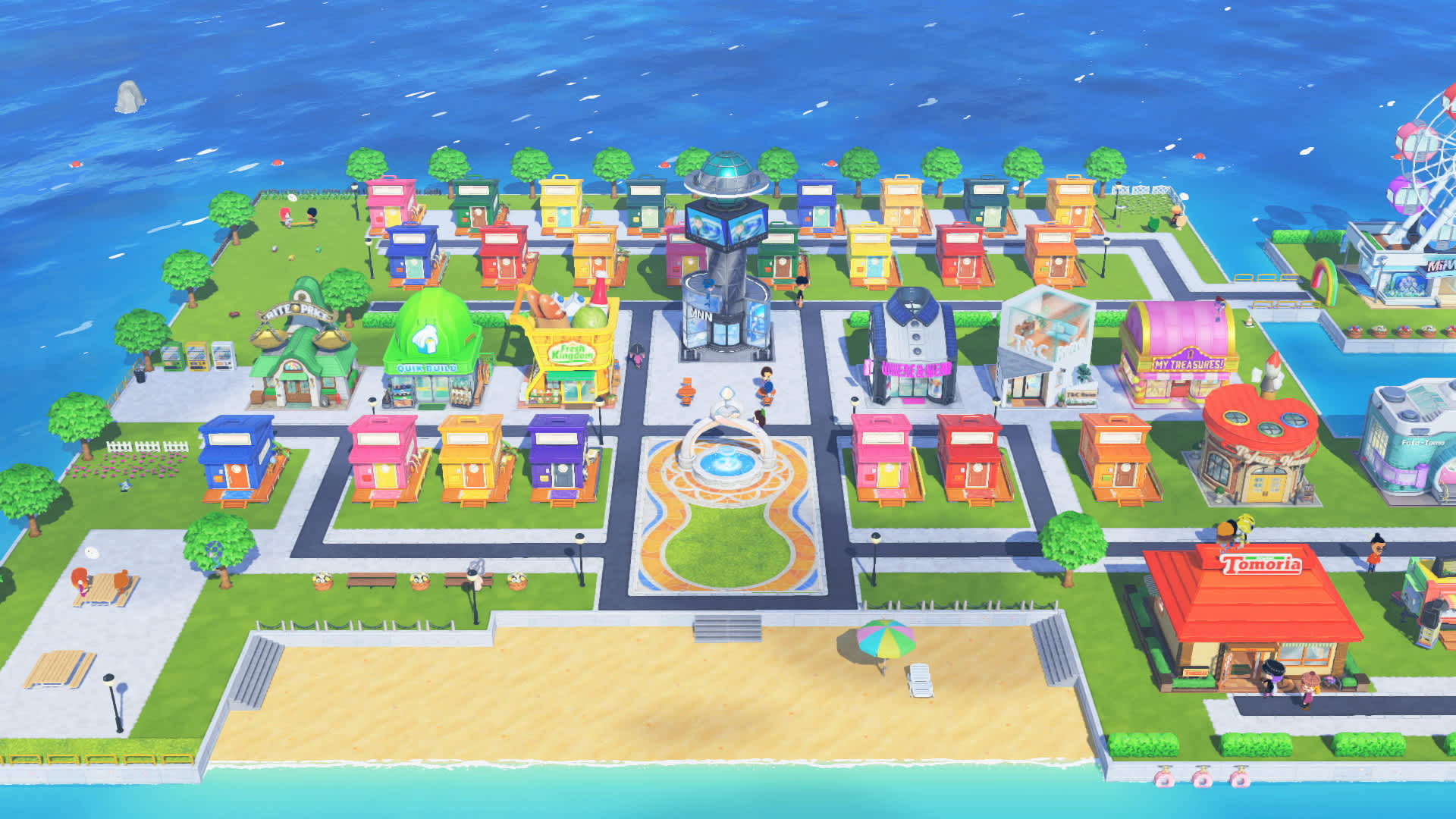
Takahashi:Tomodachi Life is a series in which you and those around you, such as friends, family, or people you admire, live inside the game as Mii characters, as you take care of them and watch over their island life. While keeping faithful to the series’ style, we’ve rebuilt Tomodachi Life: Living the Dream from the ground up and developed it as an all-new, reborn Tomodachi Life.
So, what sparked development of this all-new Tomodachi Life game?
Takahashi: I believe development started around 2017, after things had settled down on Miitomo. The producer, Sakamoto-san (6), and I both have a special attachment to Tomodachi Life and have been playing the previous game on Nintendo 3DS for many years. But we’d already squeezed all we could out of that game, and Sakamoto-san said to me sadly, “There’s so much that I want my Mii characters to experience, but there’s nothing more that I can do for them.” (Laughs) So, we talked about our desire to create a new Tomodachi Life game.

You sound just like a loving parent. (Laughs)
Takahashi: Yes, I know. (Laughs) That said, if we’d simply continued with the existing development style and added new items because we wanted them to experience new things, it would’ve inevitably turned into a quest for quantity. Besides, once players had seen everything the game had to offer, they’d have eventually tired of it again. So, we started development with the direction of leveraging user-generated content—also known as UGC—a system that allows players to create their own content to play with in the game. The concept of Tomodachi Life is to be “the ultimate inside joke game” that can be enjoyed among people who are close to each other or share things in common. We felt that UGC, which lets players create whatever they want, fit well with this concept. We thought that combining the gameplay provided by the development team with what players themselves create would open up infinite ways to enjoy the game.
Ueno: One thing that triggered the use of the UGC system was that the Mii characters’ sphere of influence had expanded from the previous game.
Now that the Mii characters could move around freely in a larger space, we wanted to take care of them in more ways.
Takahashi: The Nintendo 3DS version was also set on an island, but due to the processing power limitations of the time, we couldn’t give lots of Mii characters free rein of the island, as much as we’d have loved to. The increased power of Nintendo Switch allowed us to expand the Mii characters’ active environment, and we thought we could replicate a wider variety of inside jokes with UGC. So, in the early stages of development, we focused on verifying those two points.
I see. So, the hardware’s processing power impacts those areas. You’d think that more powerful hardware would also allow for more sophisticated graphics for the Mii characters. Was that considered?
Takahashi: When we decided to create a new Tomodachi Life game, we wanted to make Mii characters’ visuals more appealing, in line with the current generation of game consoles. But after adding all sorts of new elements to the Mii characters, something began to feel…off.
Kageyama: Normally, as hardware resolution increases, so too do the possibilities for character design. So Mii characters’ expressions have evolved little by little alongside technology. However, after speaking to the producer, Sakamoto-san, as well as Takahashi-san and the previous development team, it seemed to me that the Mii characters in Tomodachi Life are treated differently from those in other titles. The fact that they don’t see Mii characters as mere avatars, rather they pour affection into them as living beings, came through strongly. Since the characters are filled with the emotions of many people, I didn’t think we should randomly alter their design just because the resolution had increased. So, although we tried out a lot of new things, we decided against changing things that define Mii characters’ identities, such as their existing facial features and the shape of their limbs. With that in mind, we re-examined each part’s structure and design from the ground up to ensure that they wouldn’t feel outdated, even with today’s more advanced graphics. On top of that, by adding new custom features and increasing the level of freedom for players, we aimed to bring a sense of newness unique to this game.
Takahashi: We didn’t make any major changes to the part designs, but we did brush up the appearance of the Mii characters.
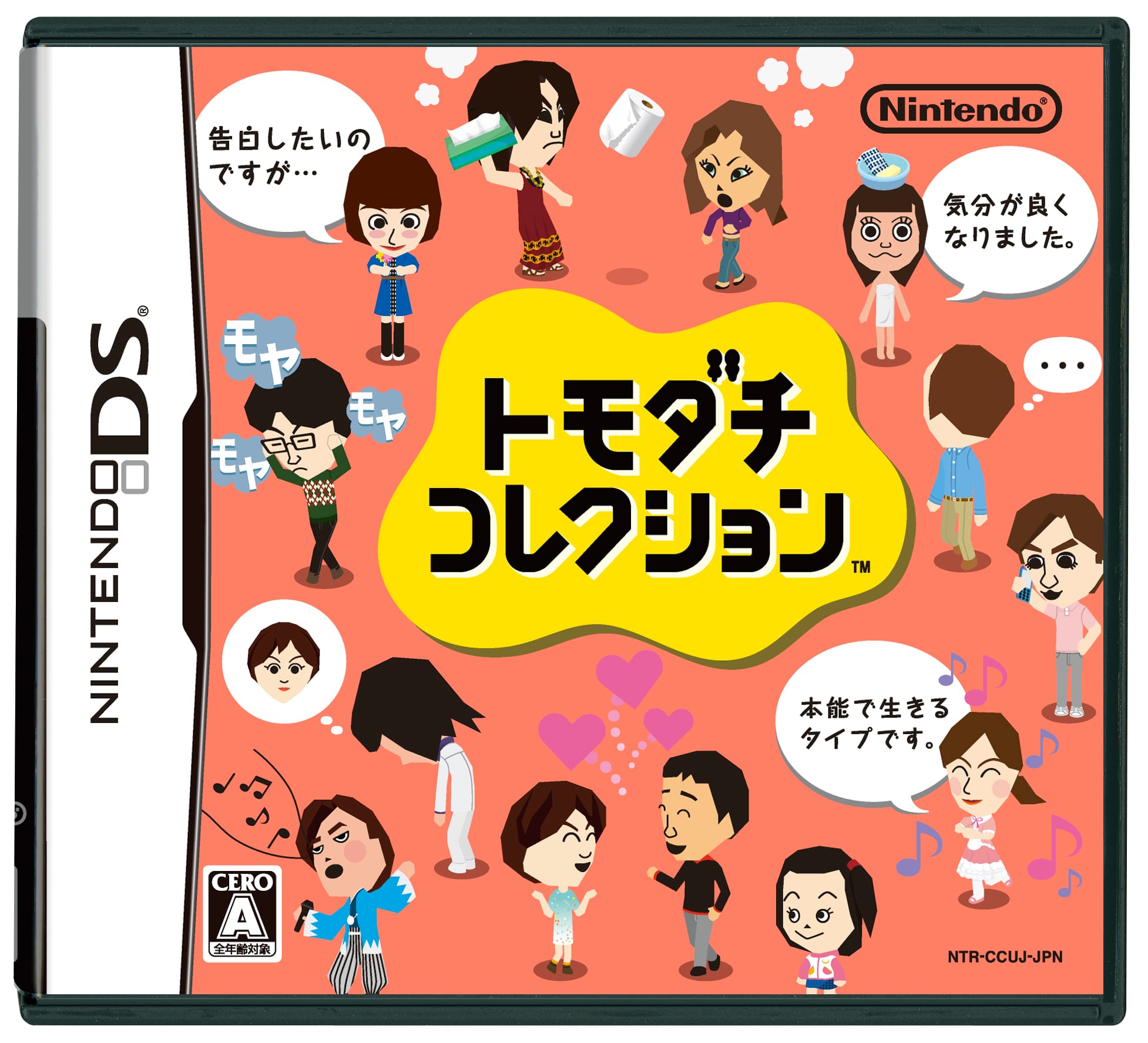
Kageyama: We updated their appearance based on a simple, anime-inspired toon-style, allowing players to immerse themselves in the drama between Mii characters in cutscenes, for example. As we were reviewing the toon-style, I heard that the direction matched what Sakamoto-san had envisaged for the first Tomodachi Life game, and I thought to myself, “Yes, nailed it!” In fact, the Mii characters on the packaging of the first game have more of a toon-style design, unlike how they look in the game.
Minegishi: We had a similar discussion about Mii characters’ voices too. By implementing a new text-to-speech engine for Nintendo Switch, the voice that serves as the basis for Mii characters is now very realistic, with a high level of accuracy and a human-like quality. However, if we express that realism too directly, it doesn’t sound like a Mii character anymore. So, I intentionally processed the voices to sound robotic. But I had a hard time finding the right balance. We wanted to preserve the existing Tomodachi Life feeling, while making suitable updates to adapt to the times. It was challenging to strike the perfect balance. However, I don’t think that was limited to the voice—it’s something every team has had to give a considerable amount of thought to throughout the project. There was a lot to consider in terms of adjusting the Mii characters’ movements, too.
Kageyama: I often discussed with the animation staff members as to whether it was too realistic.
Whenever movements look too realistic and cool, it stops being Mii-like. We shaped the Mii characters’ movements through trial and error―deliberately omitting the wind-up motions that usually serve to make movements appear smoother, and adding more bold, memorable movements.
So, making the character designs more elaborate, or voices and movements more realistic, in line with improved hardware performance, was actually creating a sense of inconsistency with the series?
Takahashi: That’s right. The development team had numerous discussions on this topic, pondering what makes Mii characters in Tomodachi Life unique.
Ueno: This goes not only for appearance, voice and movements, but also for actions. As the Mii characters became more capable, they started to come across as too mature. The opinion gradually emerged within the team that these characters—who were so cute in previous games—had started to feel a little off.
Takahashi: We were all like, “Hmm, it just doesn’t feel like a Mii.”

Ohnishi: We wanted them to be lovable characters that you can’t resist taking care of. (Laughs)
This desire to take care of them reminds me of the “loving parent” topic from earlier. Speaking of which, one of the game’s new features is the ability to pick up Mii characters. Was this idea there from the early stages of development?
Ueno: Picking up Mii characters was originally implemented as a debug (7) function. Since the setting has changed from an apartment block to an island with this installment, the Mii characters have much more space to move about in, making it more likely for them to stray apart. So, we added a function that let us relocate Mii characters by force so we could perform various tests. However, as we tested things out and observed how the Mii characters reacted, we started to get greedy, hoping for specific outcomes like, “It would be nice if these two characters played together.” (Laughs) So, we thought it would be more interesting if we made the ability to pick up characters an actual part of the game.
(7) The process of playing in-development games for quality assurance and investigating program issues.
Takahashi: In the previous game, even if you wished for certain Mii characters to get along with each other, all you could do was wait and hope.
It’s very intuitive and easy to understand. It seems to have ended up being an important aspect of this title. At what point did you decide to make it the essence of the gameplay?
Kageyama: It was in the latter half of development, wasn’t it?
Ohnishi: That’s right. We were able to implement the ability to pick up Mii characters, but for a long time we struggled to decide what would be exciting to see happen after you drop one Mii character next to another so they could meet.
Minegishi: We made prototypes of things like string telephones to let characters interact with each other. Players could offer characters advice, such as, “Why don’t you try discussing this over the string telephone?”
Takahashi: You could, like, choose advice from four different options. But that led to Mii characters just doing whatever the player told them to, and losing all sense of agency. The whole appeal of the game is that Mii characters act of their own accord, resulting in outcomes the player doesn’t expect. If the player forces a relationship, the game loses the element of genuine surprise, which is the series’ true charm.
Ueno: It didn’t feel right to have players dictating Mii characters’ actions, so we settled on letting them pick up characters and drop them wherever they like. But what happens after that is totally up to the character.
I see. So the degree of influence players have over Mii characters was seen as important.
Ueno: I just remembered something that left a strong impression on me during testing. One time, a character that was picked up and dropped next to another character didn’t interact with them—they just stood there, staring at them. Seeing that piqued my curiosity. I thought to myself, “Are they not interested in the other character? Or maybe they’re just hungry?” and so on. It reminded me that the real fun comes from not knowing what the Mii character is thinking, or what’s going to happen next.
Minegishi: Mii characters occasionally act the fool, don’t they? When the development team revisited what it means to be a Mii character in the context of Tomodachi Life, the description that resonated with us the most was “an innocent being, akin to an adorable child.”
Kageyama: If they make smart-aleck or witty remarks—even just a little—they don’t feel like Mii characters.
Takahashi: There are times when you can’t really tell what they’re thinking, or they’ll blurt out whatever’s on their mind. While having that kind of innocence, they’re not just childish. Sometimes they’ll come out with a surprisingly mature comment that hits you suddenly. We were conscious of putting this kind of depth into their characters. This sparks your imagination and makes you wonder, “What kind of reaction will I get if I show the character this?”
That’s true. Conversations between Mii characters can be a little spacey, and while it seems like they’re talking about the same topic, they also seem to be talking past each other. Yet they might suddenly make a very sharp comment that results in something unexpected. When I see things like that, I can’t help but smile.
Kageyama: The Mii characters aren’t grounded or logical, and that’s been important throughout the series. They’re just silly and eccentric. (Laughs)
Takahashi: Mii characters already serve a silly role, so if we also have them point out the absurdity of what other characters are saying, the joke begins and ends inside the game. That’s why we want players to take on that role. They’ve got to be the ones to say, “What are you on about?!” (Laughs)
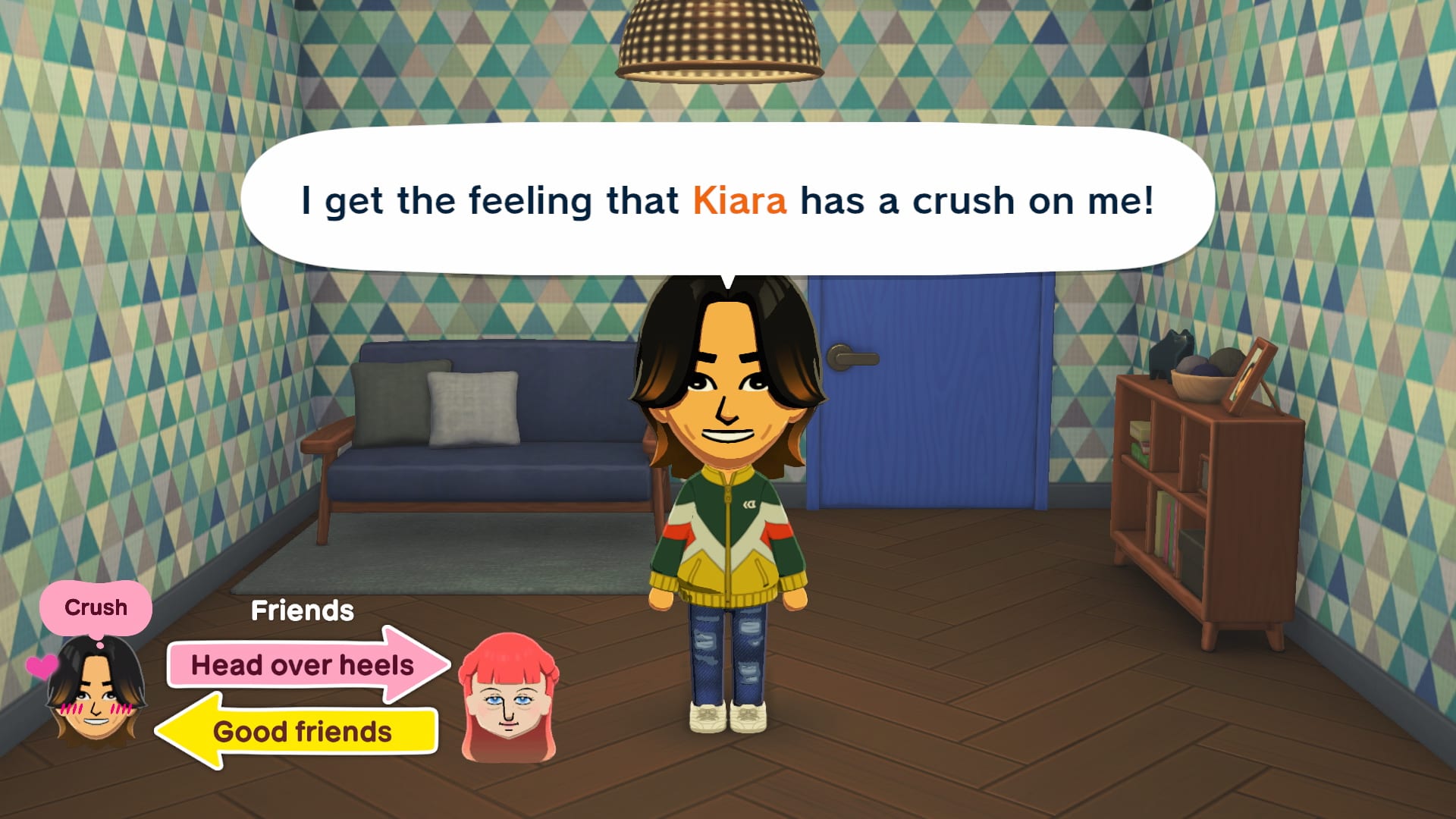
Ohnishi: I think seeing the relationship diagram between Mii characters gives players another perfect opportunity to do this. You might see the relationship diagram of one Mii character saying, “I bet that character likes me,” only to find out the other character is actually thinking, “We’re so not compatible.” (Laughs)
Or while observing Mii characters wandering around freely, you might see some characters eating and chatting together at a restaurant. Watching good friends dine together is heartwarming, but sometimes you’ll get two characters who don’t get along sitting together and talking. The characters are doing the exact same thing—chatting in a restaurant—but this time you feel unsettled, and it stirs up the imagination in a completely different way. In this way, we deliberately refrained from over-organizing things, aiming to strike a balance that would allow unexpected things to happen.
Takahashi: The Mii characters in Tomodachi Life are living beings that inhabit that world, with a will and personality.
Kageyama: What it means to be a Mii character in Tomodachi Life… The fun of observation because each character has their own personality… I think it was really important that the whole development team was aligned on these concepts from the beginning of development.
Trending
Dust storm warning issued for metro Phoenix area
A dust storm warning was issued by the National Weather Service in Phoenix at 7:59 p.m. on Sunday, Aug. 9. This warning applies to Maricopa and Pinal.
The National Weather Service warns: “Dust storms lead to dangerous driving conditions with visibility reduced to near zero. If driving, avoid dust storms if possible. If caught in one, pull off the road, turn off your lights and keep your foot off the brake. Motorists should not drive into a dust storm. PULL ASIDE STAY ALIVE!”
For the latest watches and warnings, see our weather page.
See weather radar for metro Phoenix area
What are weather service meteorologists saying?
At 7:59 p.m., the weather service issued a statement:
“The National Weather Service in Phoenix has issued a Dust Storm Warning for: Maricopa County in south central Arizona, Pinal County in southeastern Arizona, until 9 p.m. MST. At 7:59 p.m. MST, a wall of dust was along a line extending from 9 miles southwest of Big Horn to 7 miles east of Freeman to 12 miles northwest of Chui-Chu, moving northwest at 25 mph.
HAZARD: Less than a quarter mile visibility with strong wind in excess of 50 mph.
SOURCE: Doppler radar.
IMPACT: Dangerous, life-threatening travel. This includes the following highways: AZ Interstate 8 between mile markers 106 and 172. AZ Route 238 between mile markers 1 and 44. AZ Route 85 between mile markers 1 and 134. Locations impacted include: Gila Bend, Maricopa, Estrella, Big Horn, Bosque, Cotton Center, Freeman, Gila Bend Auxiliary Field, Estrella Sailport, Sonoran National Monument, Kaka, Mobile, Stanfield, and Ak-Chin Village.”
Why is a dust storm called a haboob?
A “haboob” typically occurs in Arizona during the monsoon. From June to September, large dust storms can occur across the state as high winds pick up loose dust.
They form when cold downdrafts from thunderstorms slam into the hot desert floor, spreading out in all directions. This rush of air can stir up large amounts of dust, lifting it into the air and pushing it forward as a wall that can stretch for miles and reach thousands of feet tall.
“Haboob” is an Arabic word that translates to “big, blasting winds,” according to Andrew Deemer, a meteorologist from the National Weather Service in Phoenix and former linguist.
How long does a haboob usually last?
Haboobs are usually short-lived but can be powerful. They typically last a few minutes up to an hour depending on conditions like wind speed and available dust. Stronger downdraft winds and loose, dry soil can impact how much dust is lifted into the air.
While a wall of dust can pass through in a few minutes, lingering dust and reduced visibility can persist for an hour or more, especially if multiple storm outflows combine.
What should I do in a dust storm if I am driving?
The Arizona Department of Transportation’s “Pull Aside, Stay Alive” campaign aims to protect drivers caught traveling during a dust storm.
If you encounter a dust storm, immediately check traffic around your vehicle and begin slowing down. Do not wait until poor visibility makes it difficult to safely pull off the roadway. Completely exit the highway if you can.
Do not stop in a travel lane or in the emergency lane. Look for a safe place to pull completely off the roadway. Turn off all vehicle lights, as other drivers could use your lights as a guide and possibly crash into your parked vehicle.
Set your emergency brake and take your foot off the brake. Stay in the vehicle with your seat belt buckled and wait for the storm to pass.
Drivers of high-profile vehicles should be especially aware of changing weather conditions and travel at reduced speeds.
More information on dust storm safety can be found at PullAsideStayAlive.org, and safety tips for driving in rainstorms can be found at azdot.gov/monsoon.
This weather report was generated automatically using information from the National Weather Service and a story written and reviewed by an editor.
See the latest weather alerts and forecasts here.
Trending
🔴 EN VIVO: Alianza Valledupar vs. Bucaramanga
Quiero unirme al canal de WhatsApp de Win Sports
Si quieres disfrutar de la emoción del deporte, suscríbete a Win Play. Accede a partidos en vivo,
contenido exclusivo y variedad de deportes, todo desde cualquier dispositivo.
¿Quieres ver los partidos del fútbol colombiano desde cualquier lugar? Suscríbete aquí a Win Play
El conjunto vallenato llega necesitado de una victoria después de sumar apenas un punto en sus dos primeras presentaciones y tener un compromiso aplazado.
Al frente estará un Atlético Bucaramanga que todavía no conoce la derrota y acumula cinco unidades tras una victoria y dos empates.
📊⚽ Así va la tabla de posiciones del FPC
El ‘leopardo’ buscará prolongar su buen inicio como visitante, mientras Alianza intentará hacerse fuerte ante su gente y conseguir su primer triunfo del campeonato.
Alianza V. 0-1 Bucaramanga
4′ ⚽🔥 ¡GOOOOOOL!
Félix Charrupí apareció en el área y sacó un zurdazo directo al ángulo para poner el 0-1 ante Alianza.
Alianza V. vs. Bucaramanga
👉 Nóminas listas
Trending
Boeing 737 Max operators told to check fuselages for cracks | Boeing
The US aviation regulator has ordered inspections of the fuselages of Boeing 737 Max planes for possible cracks in a component.
The Federal Aviation Administration airworthiness directive will affect an estimated 471 aircraft and follows reports of cracks in earlier Boeing models.
The inspections, which will start from September, follow a similar FAA regime for previous Boeing 737 Next Generation models dating back to 2021.
Cracks were found in a component called the bear strap – sheets supporting the fuselage around the exit doors – on the older planes. The FAA said on Thursday that no such cracks have yet been found in 737 Max craft but that the similar design and build process makes the model susceptible to developing them.
It added that without action it could “lead to the inability of a principal structural element to sustain limit loads and adversely affect the structural integrity of the airplane”.
after newsletter promotion
A Boeing spokesperson said that it had been working with airlines operating 737s for several years, after first identifying and notifying them of the issue in 2019.
“The FAA airworthiness directive published today mandates the inspections, as it did for the 737 Next Generation,” they said on Thursday. “We support both directives and continue to support our airline customers.”
Boeing added that the inspections would provide multiple opportunities to identify and correct problems before any cracks exceed critical length, and it was working through engineering changes to tackle the cause.
Attention on engineering problems on Boeing planes has intensified since the disastrous entry into service of the 737 Max model, whose flaws led to the deaths of hundreds of passengers in two crashes in 2018 and 2019 before it was grounded worldwide.
In 2024 a panel blew out of a 737 Max in mid-flight for Alaska Airlines, and concerns about production problems led to Ryanair, its biggest customer for the model, sending engineers to Boeing’s US factories to help to oversee the delivery of the planes it had ordered.
-
Trending2 weeks agoOverland couple killed in Guatemala after being deported by ICE
-
News2 weeks agoLucky 13! Starship Deploys Starlink Satellites and Splashes Down Intact
-
Entertainment2 weeks agoJohn Cusack reveals why he stepped away from Hollywood after decades of films
-
Entertainment2 weeks agoEric Dane called ‘Euphoria’ his most ‘profound’ work amid ALS battle
-
News2 weeks agoThis Long Beach spot is where food trucks are born
-
Trending2 weeks agoFormer IMMAF Champions Abdul Hussein and Magomed Tuchalov set for UFC debuts in Abu Dhabi
-
Entertainment2 weeks agoJohnny Depp is nearly unrecognizable at Comic-Con promoting new movie
-
Entertainment2 weeks agoBret Michaels undergoes emergency surgery after performing 3 concerts in ‘intense’ pain