

Denise Richards and Avan Jogia in ‘Twisted’ season one.
Everett Collection


For years, the relationship between Marvel Studios and Sony Pictures has felt like a balancing act—one that fans have watched closely as both companies navigated the future of Spider-Man on the big screen. While Marvel built its interconnected universe, Sony took a different path, carving out its own corner of the Spider-Man mythos with projects that didn’t rely on the MCU’s larger narrative.
That approach led to a wave of standalone films, spin-offs, and animated ventures that allowed Sony to experiment in ways Marvel often couldn’t. Some of those bets paid off. Others… not so much.
Now, after years of building one of its most successful franchises, Sony has quietly confirmed that a major chapter is coming to an end—and it’s a decision that signals a bigger shift in strategy moving forward.
Sony’s independent Spider-Man universe has had its fair share of struggles. While the idea of expanding the world beyond Peter Parker sounded promising on paper, execution hasn’t always landed the way the studio hoped.
Films like Kraven the Hunter (2024) and Madame Web (2024) were meant to deepen the universe and introduce new characters to audiences. Instead, they became examples of how difficult it is to build momentum without a central anchor like Spider-Man himself.
Critics and audiences alike questioned the direction of these projects. The tone felt inconsistent. The storytelling lacked cohesion. And perhaps most importantly, fans struggled to connect with characters who were introduced without the emotional foundation that makes Spider-Man stories resonate in the first place.
As those films underperformed, it became clear that Sony needed to lean into what was actually working.

Despite the mixed results of its live-action efforts, Sony found undeniable success in two key areas. The first was the Venom series, starting with Venom (2018) and continuing with Venom: Let There Be Carnage (2021). Those films embraced a more chaotic, character-driven tone and connected with audiences in a way other projects couldn’t.
But even those successes didn’t quite reach the level Sony achieved in animation.
That’s where Spider-Man: Into the Spider-Verse (2018) changed everything.
The film didn’t just succeed—it redefined what superhero animation could look like. Its bold visual style, emotional storytelling, and introduction of Miles Morales created something that felt fresh in a genre that was starting to feel familiar.
Then came Spider-Man: Across the Spider-Verse (2023), which expanded that world even further. It took bigger risks, introduced more characters, and pushed the narrative into deeper, more personal territory. Fans didn’t just enjoy it—they invested in it.
For a while, it looked like this animated universe might be Sony’s strongest long-term play.

That’s what makes this latest update so significant.
Sony has now confirmed that the Spider-Verse saga, as fans know it, is coming to a close. While anticipation continues to build for Spider-Man: Beyond the Spider-Verse (2027), the studio has made it clear that this film will serve as the conclusion to a specific era.
During a conversation on the “Happy Sad Confused” podcast with Josh Horowitz, producers Phil Lord and Chris Miller confirmed that the upcoming third installment will wrap up the core trilogy centered on Miles Morales.
They emphasized that Spider-Man: Beyond the Spider-Verse (2027) is designed to bring this story to a definitive close. In their words, it marks the end of the “Miles Morales trilogy,” signaling that the narrative arc fans have followed since 2018 is reaching its final chapter.
That confirmation effectively cancels the continuation of the main Spider-Verse storyline beyond this trilogy—a surprising move considering how successful and beloved the series has been.

Even though this particular story is ending, Sony isn’t stepping away from the Spider-Verse entirely. Instead, the studio appears to be shifting its focus from continuation to expansion.
New projects are already in development, including a Spider-Noir series starring Nicolas Cage as a version of Ben Reilly. That project is set to debut on Amazon Prime Video on May 27, 2026, giving fans a completely different take on the Multiverse.
Beyond that, Sony is exploring spinoff films centered on characters who broke out during the Spider-Verse run. Spider-Gwen and Spider-Punk are both expected to headline their own stories, reflecting how strongly audiences connected with them in the previous films.
This approach allows Sony to keep the universe alive without relying on a single central storyline. It also opens the door for new creative directions, tones, and audiences.
And while Miles Morales may no longer lead the charge, that doesn’t mean he disappears entirely. The Multiverse concept allows different versions of Miles to appear in future projects, depending on how Spider-Man: Beyond the Spider-Verse (2027) concludes.
There’s also the lingering dynamic between Miles and Gwen. Their relationship has been a core emotional thread throughout the trilogy, and it’s easy to imagine that continuing in future spin-offs—especially if timelines overlap or intersect.

Of course, the Spider-Verse isn’t the only Spider-Man story Sony is working on right now.
The studio is continuing its partnership with Marvel Studios for the next chapter of the live-action saga, with Spider-Man: Brand New Day (2026) set to hit theaters this July. That film will once again feature Tom Holland as Peter Parker, keeping the MCU-connected version of the character front and center.
This dual approach—animated spin-offs alongside MCU collaborations—gives Sony flexibility. It allows them to explore different storytelling styles while still maintaining a connection to one of the most popular superhero franchises in the world.
And with projects like Spider-Noir expanding into streaming, it’s clear Sony isn’t scaling back. It’s simply evolving.

On the surface, it might feel like Sony is canceling one of its most successful franchises just as it reached its peak. But when you look closer, the decision feels more like a pivot than a shutdown.
The Spider-Verse trilogy told a complete story. It introduced a new Spider-Man to the world, redefined animation in the superhero genre, and built a passionate fanbase along the way. Ending that story on its own terms gives it a sense of finality that many franchises never achieve.
At the same time, Sony is setting itself up for a future that’s less dependent on a single narrative and more open to experimentation.
For fans, that creates a mix of emotions. There’s excitement about what’s coming next, but also a sense of nostalgia knowing that this particular journey is nearing its end.
When Spider-Man: Beyond the Spider-Verse (2027) finally arrives, it won’t just be another sequel. It will mark the conclusion of one of the most influential superhero trilogies of its generation—and the beginning of something entirely new.

After two decades in the entertainment industry, Avan Jogia has definitely learned a thing or two.
Getting his start in Hollywood early on Nickelodeon’s Victorious and later the teen drama Twisted, it was a bit of a whirlwind getting spit out of the “kids’ television program machine,” as the 34-year-old actor describes it. Though it took some time, Jogia eventually realized he has full control “to navigate where I want this ship to go,” choosing roles and directing films that truly resonate with him.
“[After] 20 years of having been making stuff, I might be arriving at what my boundaries are,” he tells The Hollywood Reporter. “It takes a long time, not just time elapsed, but inside yourself to be like, ‘Maybe I do deserve to decide how I want to make and what I want to make.’ And so I’ve arrived at that part of the play.”
Jogia’s now diving into projects that lean into world-building and allow characters to exist beyond “the very narrow window of human expression,” he says. That’s exactly why the Prime Video romantic psychological thriller 56 Days caught his attention and saw him star opposite Dove Cameron earlier this year. And it’s why he jumped at the opportunity to work with Kane Parsons on his Backrooms film, which released Friday.
Below, Jogia opens up about transitioning from kids’ television and into more mature roles and directing, what it was like working on Backrooms, the success of 56 Days, collaborating with his fiancée, Halsey, on their new movie and more.
Going to go back to the beginning, what made you initially want to pursue a career in entertainment?
I really liked the concept of being able to be seen as a professional and be taken seriously and also to be able to professionally play, which is what I do for a living. And so I started talking about it when I was like six. Once I understood what it was, my parents held off as best they could and I bugged them until I was like 12 and then they sort of were like, “OK, let’s go to this acting class and sort of like satisfy this thing.” And because of that, I got a lot of commercial work. … And then I started taking more narrative parts in Vancouver, Canada.
Then I dropped out of high school, which I recommend to no one. And I tell this story very rarely because of what I ended up doing, which was kids’ television. You end up being the sort of de facto ambassador and co-parent for every single person of an entire generation or two. And I dropped out of school and drove down to California and lived in a trailer behind someone’s house for $300 in the valley. And then I got the show called Victorious, which is this sort of cultural phenomenon.
We were kids who were a little bit more driven and so we were plucked out and put into this kids’ television program machine, and once it spits you out, as it did for me, it spit me out in my late teens, early ’20s. And I was fortunate enough to go onto the second intermediary step on the ladder, which is teen television. I was on the ABC Family (now Freeform) show called Twisted, which is a beloved cult show for many people because around the time it was one of those shows that was in that pack of Pretty Little Liars and all the other ones.
Denise Richards and Avan Jogia in ‘Twisted’ season one.
Everett Collection
Having got your start in acting, when did you know you wanted to transition into directing?
After that show [Twisted] was done, it was sort of my choice to navigate where I want this ship to go. And though that’s the year that I did the two Sundance films and I had the mini-series I did with Sir Ben Kingsley come out, Tut, it was this sort of like, OK, so this is approaching the reason why I came to the party in the first place. I love acting and I will continue to do acting my whole life. Then you get started in one thing and you realize the journey of life, and if you’re listening carefully and you’re not just accepting the first truth that you learnt, you can alter your life in the way that you want.
So I directed a film that I wrote. I wrote the film when I was actually 23, out of frustration that I really didn’t like the parts that were available, and so I wrote these parts for other people, the kind of parts that I wanted to do and I grew up wanting to be in. I like frenetic, energetic movies where characters get a real opportunity to be characters, to be extreme, to not exist in the very narrow window of human expression.
Backrooms is your newest project, and since audiences don’t technically see you on camera in the film, how did this role come about?
Kane’s [Parsons, director] so smart. I’ve liked him since he was 16 years old making his videos, and he got this opportunity and I was happy to be involved in anything to support his vision for what this thing is. I love the world building. That’s the kind of film that I wanted to be able to be in when I got out of the machinery of kids’ television and into my 20s.
Me and Kane, I don’t know what it was. We kept on talking. We talked way more than I think a part like this normally would merit, because he’s a world builder and I just love that stuff. So am I. And there’s no part of this film, when watching him work, that isn’t important to him. He’s got lore and he’s got myth and he’s got depth for every aspect of it and that’s how you make things that I like. We had many conversations and I think there was a bunch of different versions of how I was going to be in this, but he just was like, “You’re in it. I don’t know in what capacity.” And it was because I said to my agents and managers, “Whatever the capacity is, I’m a gamer. I want to play ball.”
‘Backrooms’
A24/Courtesy Everett Collection
It was recently announced that you’re going to be directing and co-writing the film Replacer with your fiancée, Halsey. How did the idea come about and how excited are you to be collaborating together?
One of the joys of my life is being able to live and collaborate with someone who I think is immensely talented in every medium that she’s exploring. And we work really well together. We have a similar writing sensibility, which made the writing process super easy, and I’m just excited to watch. Again, I want to watch actors have fun exploring something larger than themselves or larger than the everyday, the mundane and the rote. I want actors to come in and swing on a person and on a character. And watching her be able to do that, I mean, I wrote it with the attention that in your 20s, she was busy being wildly successful in a very, very hard field. So she didn’t have time to do movies like this. And so I was like, “You should have had one of these, so let me write it.”
That’s a pretty grand romantic gesture to be like, “Let me write a movie for you.”
Yeah, that should have been something that happened, but it didn’t because you took this different dimension jump, but there’s a dimension where you could have been doing this and doing this and doing this. And part of loving someone is also being able to see all the different versions of them that could have been or that might yet still be.
You mentioned that you were avoiding romantic lead roles at one point in your career, but then you just starred in 56 Days, which became a hit on Prime Video. What made you want to join this project, as well as what was your reaction to how it resonated with fans?
It’s a romantic lead, but there’s so much there. There’s meat on the bones. There’s something for me to perform. There’s a constant tension that’s there that I can do it really, really sweetly, or I can do it with the weight of all the internal stuff that Oliver’s going through. Also, not for nothing, it was quite a physical part because I had my shirt off all the time (Laughs), which, insert massive sigh about how it’s a lot of work. But that was something to do. I’d done a couple of those, but I hadn’t really done something like this.
And then of course it’s a number one show situation, which is amazing and I’m so humbled by that, and people have been really, really nice about it and kind. I don’t think anyone expects a show to be a cultural moment. I think you would have to be quite mad as a person to be like, “Oh yeah, No. 1.” But it’s always a nice thing. It ended up being sort of a choice for me because once you do a show like that, what happens subsequently is you get a million more opportunities to do that sort of thing and people are intimating that you should keep going on this train even if it takes you further from what you want to do. And because I’m oppositional defiant, I was like, “Let me go direct a movie.” (Laughs.)
Avan Jogia in ’56 Days.’
Prime Video
Fans have also been fancasting you to potentially portray Xaden in the Fourth Wings Prime Video adaptation. I know your focus is on directing at the moment, but would you be open to doing that role if presented the opportunity?
Everything has something interesting to it, not for nothing. I’d love to do fantasy. When you’re a little boy and you’re growing up and you want to be an actor, you have a list in your mind of things that you would love to do. I saw The Lord of the Rings and was like, “I would love to be able to one day be included in fantasy.” And I grew up. I’ve played every large-scale fantasy video game that there is to play. I’ve spent tens of thousands of hours of my life living in a fantasy world. I would love to be able to be in a movie or a TV show that has fantasy elements to it. I would love to be a pirate. That’s what I’m saying when I say acting. What I got into this to do is to make myself as a child happy by playing in worlds that have always excited me since I was a kid. And so the concept of dragons and a fantasy world like that, that sounds awesome.
If you had to describe what makes Avan Jogia, Avan Jogia, what would you say?
I’m passionate. I’m curious. I love creative collaboration. In a world where there’s so little community, film set, the pirate ship, the us all go to sail and we find whatever this thing is out in the open ocean, that community of people that I get to work with every day, that is what I’m always looking for. That creative community of ideas where we’re all rolling up our sleeves and we all believe in a thing and we’re all doing it together is way more important than what the result ends up being. The result is a byproduct of the time spent with a community. … I’m someone who’s always made for the sake of making and then sometimes I lose my way. But I think [after] 20 years of having been making stuff, I might be arriving at what my boundaries are. Like I said earlier in the conversation, it takes a long time, not just time elapsed, but inside yourself to be like, “Maybe I do deserve to decide how I want to make and what I want to make.” And so I’ve arrived at that part of the play.
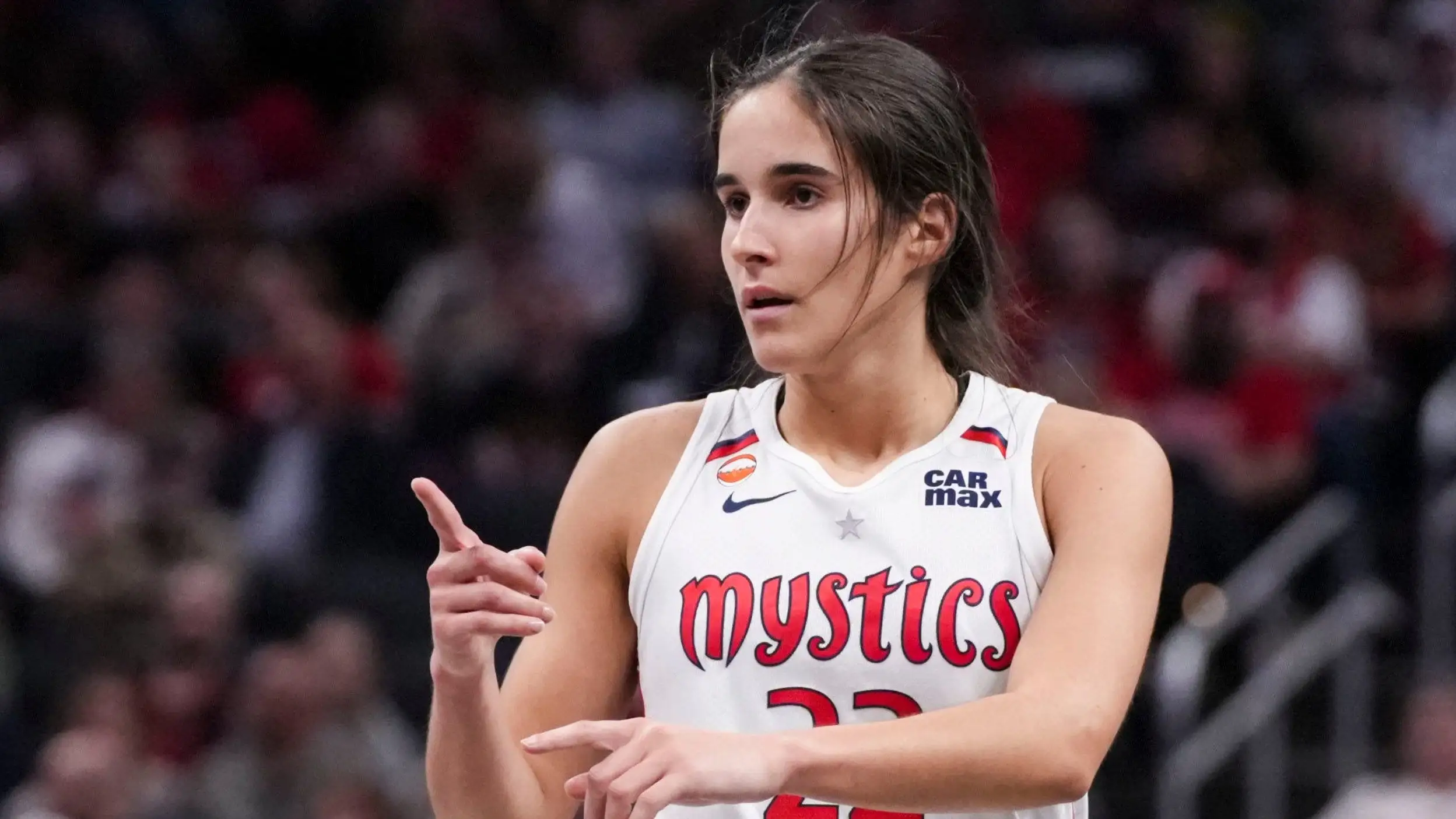
Lost in the shuffle of the NHL and NBA Playoffs, and MLB labor talks is the fact that the WNBA has started its season and games are in full swing. We still don’t have most teams done with a quarter of their season, so it is still early, but we are starting to see some of the teams take shape. I love the league and basketball, so betting on the WNBA is one of my favorite things. Tonight, we do it as the Sparks play the Mystics.
The Los Angeles Sparks are a team that has a lot of potential, but haven’t looked great through six games this season. The team, led by Kelsey Plum, is looking to capitalize on its scoring superstar. In basketball, it is very common to succeed if you have one really good player and surround him or her with decent talent. The problem is that Plum will be out due to an ankle injury. That means if they only have decent talent around her, someone needs to step up.
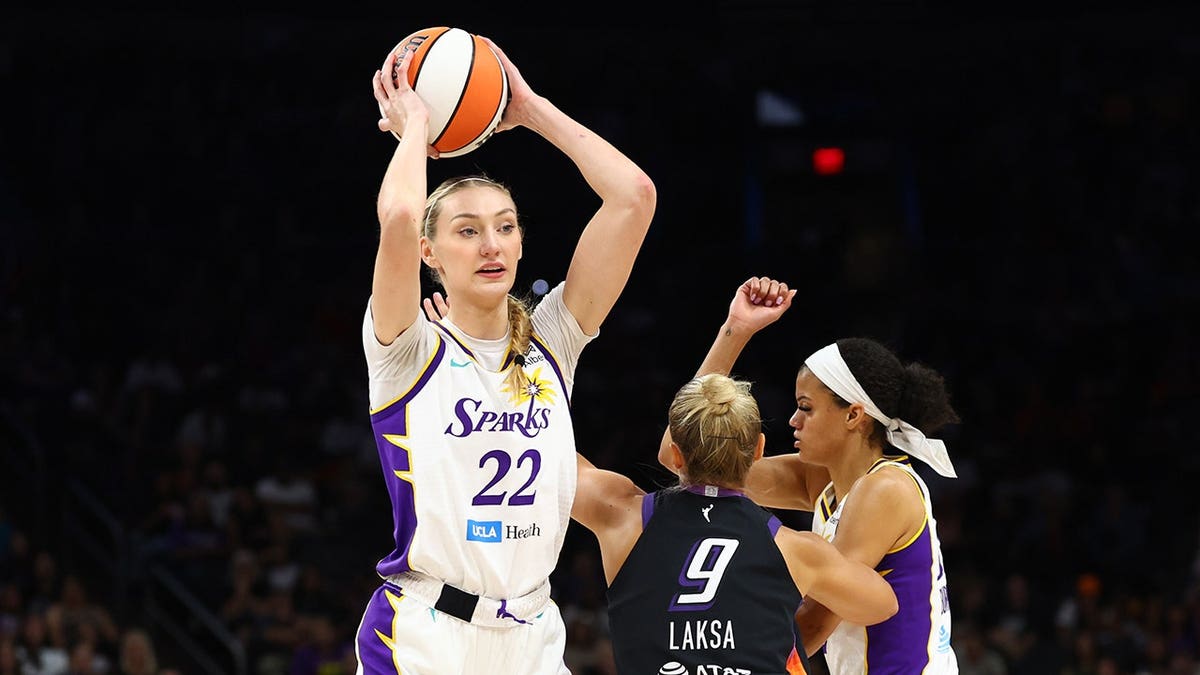
Los Angeles Sparks forward Cameron Brink defends against the Phoenix Mercury during the first half of a WNBA game at PHX Arena in Phoenix, Arizona, on Sept. 9, 2025. (Mark J. Rebilas/Imagn Images)
The candidates for improved performance over the next few games are Dearica Hamby and Nneka Ogwumike. Both are already averaging 15 or more points this season. I also should mention that both are probably better than “decent” players. They are strong contributors who make a difference on every team. Someone like Cameron Brink or maybe Ariel Atkins will get more opportunities without Plum on the floor.
Caitlin Clark breaks WNBA assists record to a chorus of boos as Valkyries spoil the milestone
The Washington Mystics are still trying to figure it out. They have some good pieces, but they don’t really have everything they need to be true competitors. I’d actually be fairly surprised if they make the postseason. As of right now, they are 3-3 with some inconsistent games. It is still early, so I don’t want to put too much judgment on this team or what they could be. But, I’d classify the Mystics as rebuilding or at least building, compared to the Sparks, who are more championship hopefuls.

A Wilson official WNBA Evo NXT basketball with the Commissioner’s Cup logo is shown during the game between the Seattle Storm and the Los Angeles Sparks at Crypto.com Arena on June 17, 2025. (Kirby Lee/Imagn Images)
The main building block of this team is Sonia Citron. She was the third overall pick last year and had a great rookie campaign. She is building off of that this year with 17.2 points per game, 3.8 rebounds and 2.0 assists per game. If they can keep her, she will be the face of the franchise for multiple years. She has had a couple of tough games this season, but the team split those two games. So they are capable of winning despite her struggles, which is a good sign for their future.
In tonight’s game, the Sparks probably have the better overall roster. However, without Plum, I think there are reasons to question how efficient they will be. Plum is a dominant ball-handler who is probably classified as a shoot-first point guard. They should still have the talent to score, but it could have some challenges.
CLICK HERE TO DOWNLOAD THE FOX NEWS APP
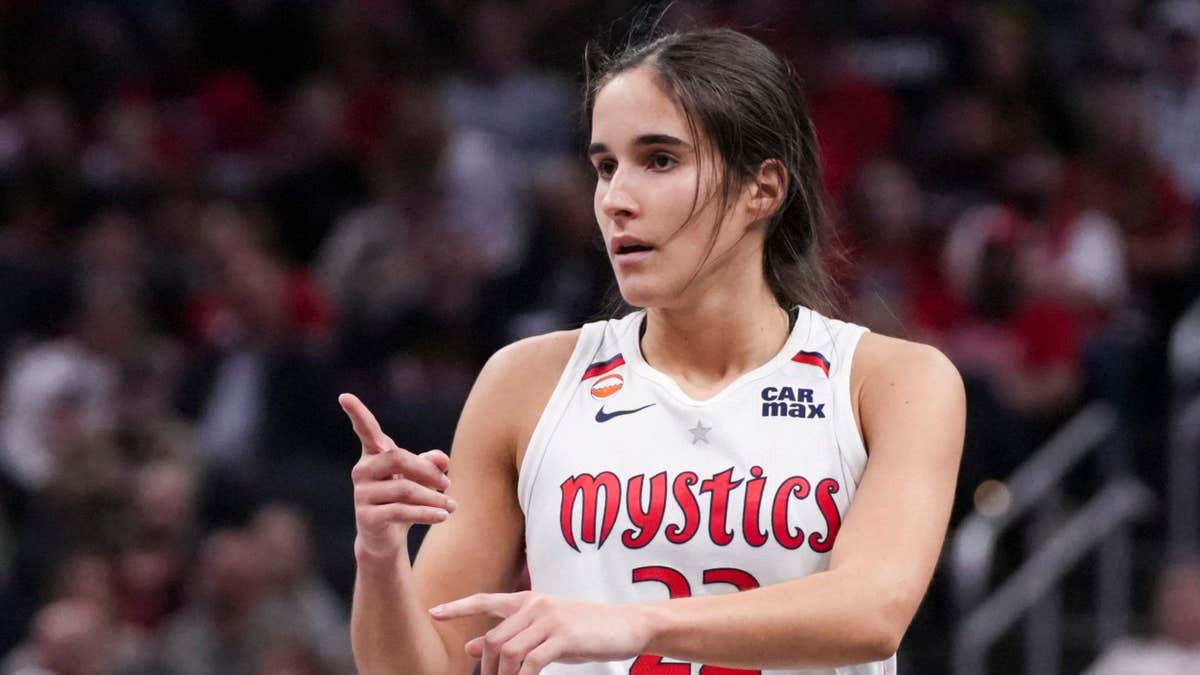
Washington Mystics guard Sonia Citron celebrates during the first half of a game at Gainbridge Fieldhouse in Indianapolis on May 15, 2026. The Mystics defeated the Indiana Fever 104-102 in overtime. (Grace Smith/IndyStar / USA TODAY NETWORK via Imagn Images)
The total dropped quite a bit from the opener after Plum was announced out. However, this Sparks team is playing very little defense this season. The Mystics aren’t that much better. Combined, they are averaging 182.3 points per game allowed. I expect Citron to bounce back after a bad game, and I think the Sparks will be fine getting to 75+ points without Plum. Give me the over 165.5.
CLICK HERE FOR MORE SPORTS COVERAGE ON FOXNEWS.COM
For more sports betting information and plays, follow David on X/Twitter: @futureprez2024

The Boulder Police Department uses its fleet of Flock cameras to illegally surveil people without any probable cause, a class-action lawsuit filed Thursday morning alleges.
Boulder has deployed and uses 31 Flock cameras to scan people’s cars while they are doing everyday tasks such as taking their children to school, according to the lawsuit filed by William Freeman and Gwen Steel, both of whom regularly work in, frequent or drive through Boulder. The department’s camera usage constitutes a warrantless system of mass surveillance, violating the Colorado Constitution’s provision against warrantless searches and seizures, the suit alleges.
In the suit, filed in Boulder County District Court, the complainants allege Boulder Police Chief Stephen Redfearn has deployed the Flock cameras without any safeguards protecting people’s privacy.
“No court has found probable cause to believe that criminal activity is afoot on Boulder’s public roads twenty-four hours a day, seven days a week,” the suit states. “Defendant Redfearn’s deployment of the Flock technology constitutes a dragnet search of the movements of every person who drives in Boulder.”
The suit also named Dawn VanAckeren, a records specialist with Boulder police, because she denied Freeman’s records request asking for all Flock records of his own vehicle, the suit alleges. That denial violated the Colorado Criminal Justice Records Act, the suit states.
Boulder police have used their Flock license plate-reading cameras continuously since Jan. 6, 2022, according to the suit. There are at least nine other Flock cameras in Boulder, run either by the University of Colorado Boulder Police Department or private businesses, but Boulder police still use them to surveil anyone driving in Boulder, the suit alleges.
“With thirty-one cameras strategically positioned throughout the city, BPD has constructed a surveillance dragnet that makes it difficult for any resident or visitor to travel within Boulder without being tracked,” the suit states.
The suit notes that until June 2025, Boulder allowed law enforcement agencies outside of Colorado to see its Flock data, including some agencies known to collaborate with the Immigration and Customs Enforcement Agency, the suit states.
Anyone who drives in, rides in or travels on public roads in Boulder but was tracked by Flock cameras without a warrant is entitled to relief, the class action suit states. The suit says that the number of people who could seek relief is in the tens of thousands.
Freeman and Steel, represented by Andy McNulty of the Newman-McNulty law firm, are asking for undetermined monetary damages as relief from what they call a series of unreasonable searches and seizures, the lawsuit states. The pair also asks that Colorado courts order Boulder to stop using Flock cameras without a warrant, according to the suit.
Boulder and its police department are evaluating the claims made in the lawsuit, according to city spokesperson Sarah Huntley. Future arguments and perspectives about the case will be made through court filings, Huntley added in her statement.
The city of Boulder has had a request for proposals out for license plate-reading technology since March, according to a city news release. The proposal period came after some City Council members expressed concerns about the city’s relationship with Flock ahead of a then-expected contract renewal with the company.

Redfearn, Boulder’s police chief, said in a town hall in January that Flock camera data is not shared with ICE, and that it has helped police find suspects and, in some cases, victims of kidnappings.
“The risk of misuse is far outweighed by the public safety benefits it provides for us,” Redfearn said at the town hall meeting.
Flock spokesperson Paris Lewbel said customer agencies, such as Boulder police, own and control their own data, and that the company takes privacy and data security seriously.
“The complaint against officials with the City of Boulder raises questions about automated license plate readers that courts across the country have considered – and rejected – dozens of times now. Fixed LPR technology has consistently been upheld as constitutional,” Lewbel said in an emailed statement.



A cloaked alien invasion force is approaching Earth and coming up on Mars. The first officer looks through a viewfinder...


After two decades in the entertainment industry, Avan Jogia has definitely learned a thing or two. Getting his start in...


The top candidates for California governor crisscrossed the state Friday, all venturing to friendly political territory to woo voters and...


The king of Staten Island has nothing but good things to say about the queen of the Kardashians. “Isn’t it...


Lost in the shuffle of the NHL and NBA Playoffs, and MLB labor talks is the fact that the WNBA...
The former reality star’s dark visions of Los Angeles are resonating in a heated mayoral race, even if they’re far...


The Boulder Police Department uses its fleet of Flock cameras to illegally surveil people without any probable cause, a class-action...


Country star Martina McBride has dropped out of the Freedom 250 concert series one day after it was announced, claiming...


SAN ANTONIO – A San Antonio man was arrested early Thursday after he was accused of threatening to kill Erika...


There’s a planet out there called LHS 3844 b, orbiting a star about 48 light-years away. The Transiting Exoplanet Survey...


--> The Los Angeles Lakers will be on the prowl this offseason for the type of 3-and-D prowess that Luguentz...


One person was killed and another was in critical condition following a skydiving accident in Perris on Thursday afternoon, authorities...

And just like that, Jason Lewis is an author. The “Sex and the City” alum, 54, revealed he moved to...


The French Open second round on May 28 features several intriguing matchups between rising talents and experienced clay-court players. Adolfo...
The U.S. military said Iran had launched a ballistic missile toward Kuwait. Iran’s Revolutionary Guards said it had targeted an...


Some of the numbers for individual players are eye-catching. Les Parisiens’ club captain Marquinhos has started 14 of those European...


Travis Kelce gave a sign that he and Taylor Swift are changing their last names after getting married. The NFL...


Ever since gravitational waves were first confirmed in 2017 by scientists at the Laser Interferometer Gravitational Wave Observatory (LIGO), over...
COMEDIAN JOSH JOHNSON TAKES ON HULK HOGAN, POLITICS EVOLVING INTO WWE AND MORE By Mike Johnson on 2026-05-27 08:25:00 Comedian...


Following heavy April storms and recent low temperatures, Mammoth Mountain has extended its ski season through June 7. Mammoth Resorts...


A scene from Madison Beer’s concert soundcheck in Amsterdam for her “Locket Tour” went viral on X on Tuesday. While...


That’s one way to mix fashion and technology. Celebrities like Maggie Gyllenhaal, Emma Roberts and Lourdes Leon stopped by Longchamp’s...
Ebola response teams and a few others are exempt and will undergo “strict health screening,” a top Ugandan official said.


At just 15, Vaibhav Sooryavanshi has already become one of the biggest stories of IPL 2026. His fearless six-hitting and...


You’re on a camping trip with your family and your parents tell you to turn off all the lights. But,...


HOUSTON – A Severe Thunderstorm Watch is in effect until 5 a.m. Wednesday for several Southeast Texas counties. The areas...
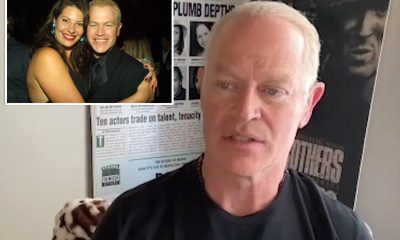

Neal McDonough is looking back on a dark moment in his life and career. During a recent interview with Fox News...


--> OKLAHOMA CITY — Mitch Johnson was in the running for Coach of the Year in his first full season...


The Trump administration on Tuesday sued the University of California, alleging that UCLA is “deliberately indifferent” to antisemitic harassment of...


The first round of the French Open concludes on Day 3 as 20 more men’s matches take the grounds of...


Page Six may be compensated and/or receive an affiliate commission if you click or buy through our links. Featured pricing...
The ways it set up its board and Mr. Musk’s pay appear to benefit him at the expense of other...


Micron Technology, Inc. (NASDAQ:MU) is one of the 15 High Growth Stocks to Buy and Hold for the Next Decade....


Mars holds a special place in the Solar System. It represents marginal habitability. This means it transitioned from warm and...


Actress Sally Field used a recent television appearance to praise the First Amendment, reflecting on the importance of free speech in...
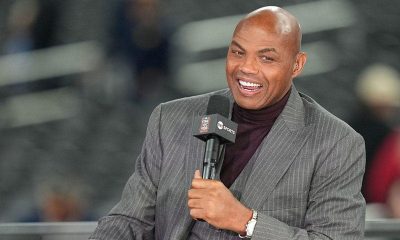

New York Knicks star OG Anunoby spoke with the “Inside the NBA” crew following his team’s blowout victory over the...


A coalition of conservation groups wants Southern California to get 85% of its water locally, up from the 50% it...


NEW YORK — When Ben Rice launched his 16th home run of the season earlier this week, grabbing a share...
He spent four decades building the convenience store chain into a cornerstone of daily life.


Jennifer Lopez is giving us nostalgia served hot! The pop star, 56, slipped into the exact same jeans she wore...


If you need help with the Public File, call (407) 291-6000 At WKMG, we are committed to informing and delighting...


Welcome back to our continuing series on the Brief-ish History of SETI. In our previous installments, we looked at the...


LAS VEGAS (FOX5) — As hundreds of thousands of fans of K-Pop group BTS head into Las Vegas for Memorial...


He’s not feeling euphoric. Warning: Spoilers ahead! Do not proceed unless you’ve watched “Euphoria’s” seventh episode of Season 3. “Euphoria”...


With evacuation shelters reaching capacity as more than 40,000 people were asked to leave their homes, officials laboring to prevent...


James Harden has spent more than a decade as one of basketball’s most mercurial superstars — an MVP, multiple-time scoring...


During the ongoing 2026 Rocket League Championship Series Paris Major, Epic Games and Psyonix delivered on a major announcement they’d...
Buildings rattled in the Ukrainian capital for hours early Sunday. Russia launched an Oreshnik intermediate-range ballistic missile for only the...


You talkin’ to him? Robert De Niro had no idea his 1976 film “Taxi Driver” would be lauded as a...


En vous abonnant, vous accédezà la source de référence sur l’actu sportive.En vous abonnant, vous accédez à la source de...


SpaceX’s next-generation Starship V3 rocket got off to a glorious start for its first test flight, and although not all...


--> Of the many adjustments the New York Knicks made in Game 1 against the Cleveland Cavaliers, the decision to...


Comedian and social media star Laura Clery praised the first responders who helped her after she was pinned beneath a...


• The temperature inside the failing tank has risen to 90 degrees, up from 77 a day earlier. The boiling...


On this day, 24 years ago, Jordan Walker was born. Happy Birthday! Young by baseball standards, it feels like we’ve...
As people across the Middle East braced for the possibility of renewed fighting, officials from both sides said there were...


Law & Order: SVU Season 28 is set to bring back a fan-favorite character. The showrunner recently teased a major...


Scarlett Johansson has finally admitted that the idea of a good work-life balance does not exist. During an interview with CBS Sunday...


You’re on the fourth human mission to Mars, and you’ve been tasked with establishing the first self-sustaining food crop on...


PORTLAND, Ore. (KATU) — CityFair kicks off Friday evening at Portland Waterfront Park. KATU is the new home of the...


Pop crooner and “Real Housewives of Beverly Hills” star Erika Girardi quietly put an end to a long and splashy...


Gerrit Cole will make his 2026 season debut when the New York Yankees battle the American League East Division-rival Tampa...


Miley Cyrus wore a vintage Atelier Versace gown for her Hollywood Walk of Fame Star ceremony. John Salangsang/Shutterstock From one...
They played second fiddle to private equity and hedge funds for years, but 2026 is shaping up to be “the...


What To Know CBS Evening News was the only major evening newscast to see week-over-week gains. Despite these gains, CBS...


New ‘Supergirl’ star Milly Alcock pushed back against online critics ahead of the film’s release, saying many of the people criticizing...


Trent Alexander-Arnold is set to be left out of England’s squad for the World Cup with Djed Spence included. The...


In December 2025, the ESA’s Jupiter ICy Moon Explorer (JUICE) and NASA’s Europa Clipper both caught a glimpse of interstellar...


--> The mouthwatering Liga MX Clausura 2026 final kicks off Thursday night, as Cruz Azul hosts Pumas in the first...


A man who once worked for a nonprofit organization that offers services to homeless people was arrested Thursday on a...


Blake Lively and Ryan Reynolds are staring down more than $2.1 million in unpaid contractor debt tied to their sprawling...


The flood watch, which would begin at 7 p.m. Friday and end at 7 p.m. Monday, applies to these Austin...
No president has ever used the federal government to advance his own personal interests and those of his family and...


--> Chicago Bears fans are about two months removed from when the team traded wide receiver DJ Moore to the...


Nature forces lifeforms to adapt to its conditions. That is a basic fact behind natural selection. From that perspective, it...


Miles Teller attempted to reclaim a negative narrative after being labeled “kind of a d–k” more than one decade ago. The...


The Angels announced that right-hander Alek Manoah has been outrighted to Triple-A Salt Lake. There wasn’t any announcement about him...


California has seen an uptick in wildfires, from Siskiyou County to San Diego. Southern California has caught the brunt of...


Tony Jefferson is 34 years old and has played in 134 career NFL games. Put another way, the veteran safety...


In the words of Carrie Bradshaw: It’s not a bag, it’s a Baguette. In the years since it first hit...
Faculty members overwhelmingly approved a limit on the number of top grades they can give to about a fifth of...


NEWYou can now listen to Fox News articles! There have been growing rumors in the U.K. that Prince William is...


Welcome back to our ongoing series, a Brief-ish History of SETI. In our previous installments, we looked at the philosophical...


Amazon has announced the cast for Delphi, its new TV series out of the Creed universe, from Michael B. Jordan’s Outlier Society. Series...


“The Daily Show” host Jon Stewart was one of Stephen Colbert’s final guests as “The Late Show” continues its final...


Want to start your week off scared? Good news, then, because the 2026 The Mummy movie—aka Lee Cronin’s The Mummy—is...
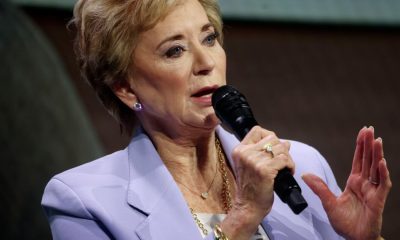

California and a coalition of other Democratic-led states are suing the Trump administration over new limits on federal borrowing by...


Jordan Parker is the aviation beat reporter for The Dallas Morning News. He covers how air travel affects North Texas...


It’s [not] complicated. Meryl Streep and Martin Short’s romance was proven to be still going strong after they were photographed...
Is there anything Democrats can do to break free of a deeply polarized political system in which parties are constantly...


NEW YORK – As David Bednar nears his one-year anniversary as the Yankees’ closer, he has built a reputation as...


You’re doing some late afternoon work on the habitat as part of humanity’s first exoplanet settlement, but the sun is...


The Kentucky Basketball team is still in the process of building its roster and coaching staff ahead of the 2026-27...


John Travolta explained his bold looks at the 2026 Cannes Film Festival, particularly, his choice to rock different colored berets....


A wildfire sparked by the flare of a shipwrecked mariner has burned nearly a fifth of Santa Rosa Island and...


SAO PAULO (AP) — Un aparente error del cuarto árbitro obligó a Neymar a salir del campo durante la derrota...
Ahead of the World Cup, the head of South American soccer faces an ethics complaint he received payments recovered from...


Shakira has been acquitted in her tax fraud case after an “eight-year ordeal” — and she’s receiving a massive payout...


Nielsen has announced its top 10 streaming charts for the United States from April 13th 2026, to April 19th 2026....


(This is Part 2 of a series on Hawking’s no-boundary proposal. Read Part 1 first.) I thought the whole point...


Yee-haw! Country music’s biggest stars stepped out Sunday night for the 61st Academy of Country Music Awards. Hosted by Shania...


Julianne Moore ruffled some feathers online after saying she doesn’t like movies with “explosions and guns.” During a recent interview...


Kevin Jonas’ wife, Danielle Jonas, is burnin’ up for his ripped new bod. Danielle shared video of Kevin, 38, working...


Taylor Swift and fiancé Travis Kelce were pictured enjoying a date night in New York City on Friday, ahead of...


Bee Shaffer and her husband, Francesco Carrozzini, have split after nearly eight years of marriage, Page Six can reveal. The...


Like vinyl, broadcast TV may be en vogue again. Amid Hollywood contraction, old-school network jobs are suddenly sought after —...


Page Six may be compensated and/or receive an affiliate commission if you click or buy through our links. Featured pricing...


He thought it would be a simple call to law enforcement. Instead, when intruders took over his late father’s home...


Michael Che spoke out about the controversial jokes made on “The Roast of Kevin Hart” after pulling out of the...


Matthew Rhys is sounding off on the public behavior driving him “bananas.” “The Americans” star isn’t hiding his irritation with...


Meghan Markle rocked a five-figure diamond necklace alongside a white tee in new As Ever promo pics, shared Monday. As...
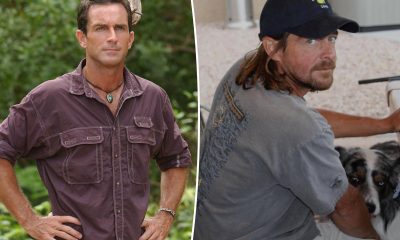

“Survivor” host Jeff Probst has lost a beloved member of his tribe. One of the television personality’s brothers, Brent, announced...


Tom Brady got his revenge on Kevin Hart during Sunday’s Netflix roast. The retired NFL player dragged the comedian’s 2017...


Michael Pennington, who had a role in “Star Wars: Episode VI: Return of the Jedi,” has died. The actor passed...


One actor who appears in the new sequel to “The Devil Wears Prada” appears so unrecognizable in the film that...


Carrie Underwood promises there is no bad blood between her and Nikki Glaser. Last month, online chatter revved up after...


Ciara Miller accused her ex West Wilson of sleeping with “Real Housewives of New Jersey” alum Jennifer Fessler after the...


Heidi Klum brought the Halloween spirit to her Met Gala look. Dressing as an actual marble statue — prosthetics and...


Jerry Seinfeld thew a little shade at “Friends” during at the 2026 Netflix Is a Joke Festival, claiming the show...


She’s keeping up with the Knicks. Following Monday night’s Met Gala, Kylie Jenner and boyfriend Timothée Chalamet were once again...


Christina Ricci left a savage — but succinct — comment on an Instagram carousel of pics featuring Katy Perry and...


Kylie Jenner once had a “crazy” magic mushroom trip — in public — that left her in tears. The “Kardashians”...


Blue Ivy’s Met Gala debut didn’t go off quite as smoothly as it appeared, as dad Jay-Z seemingly pleaded with...
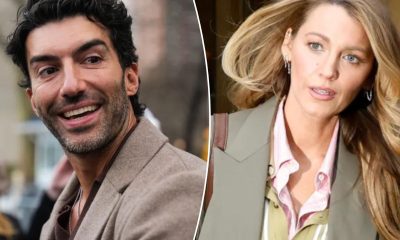

After 18 months of bare-knuckle brawling, Blake Lively and Justin Baldoni’s legal saga ended with a whimper. The two sides settled their claims...


Beyoncé walked the Met Gala red carpet alongside Jay-Z and Blue Ivy Getty Images Beyoncé’s latest look is anything but...


Princess Eugenie is pregnant! The royal shared she is pregnant with her and husband Jack Brooksbank’s third child on her...


Timothée Chalamet and Kylie Jenner enjoyed a Broadway outing with her sister Kim Kardashian and her mom, Kris Jenner. The...


Charlize Theron is making it clear her children won’t be growing up with a Hollywood safety net. During a candid conversation,...


A rolling Stone gathers no moss. Sharon Stone turned heads with a radiant and unfiltered bikini pic shared to her...


Zayn Malik has shocked fans by announcing the cancellation of his latest sellout tour. In an announcement made on Friday,...


Tara Lipinski revealed that her surrogate experienced a pregnancy loss while carrying her and husband Todd Kapostasy’s second child. “A few...


Author Cheryl Strayed has revealed that her husband, filmmaker Brian Lindstrom, has been diagnosed with a “serious, fatal illness.” The...


New England Patriots quarterback Drake Maye has finally broken his silence on coach Mike Vrabel’s photo scandal with sports reporter...


The Billboard Women in Music Awards 2026 took place in Los Angeles Wednesday night and honored Teyana Taylor with the...


Rita Wilson told Tom Hanks after her breast cancer diagnosis in 2015 that if she were to die, she wanted...


King Charles’ gift to President Donald Trump holds a deeply historical significance regarding relations between the US and the British...


Taylor Swift broke cover to have an outing with her dad, Scott Swift, and her best friend, Ashley Avignone, ahead...


Demi Lovato celebrated her sold out show at Madison Square Garden for her “It’s Not That Deep Tour” singing along...


Sally Field almost landed a role in one of the most iconic movies in history and is finally revealing why she ended...


Jennifer Lopez is flaunting her impressive abs with sultry selfies. The 56-year-old entertainer posted pics of herself during an early...


Ann Jillian went from a Disney child star to a ’80s sitcom favorite, even portraying her own battle with cancer...


Al Pacino and Beverly D’Angelo may have split in 2004, but that didn’t stop them from celebrating the “Godfather” star’s...


“Wicked” actress Marissa Bode claimed she was denied boarding her Southern Airways flight because she uses a wheelchair — and...


Page Six may be compensated and/or receive an affiliate commission if you click or buy through our links. Featured pricing...


Diana Russini deleted her X account (formerly known as Twitter) as drama surrounding photos of herself with Patriots head coach...


Bethenny Frankel hits the beach, Dakota Johnson and Role Model keep close on a stroll and more snaps…


“Dancing With the Stars” has officially been renewed for a 35th season this fall, with two reality stars heading up...


Jacob Elordi doesn’t have much in common with his volatile character in “Euphoria” — aside from his success with the...


Mike Vrabel dodged multiple questions off-camera pertaining to the Dianna Russini photo scandal following his lengthy statement on the matter....


Ted Danson’s early romance with Mary Steenburgen included a high-stakes moment at the White House. Danson, 78, recalled an intense one-on-one with...


“Practical Magic” star Aidan Quinn said he wasn’t asked to be part of the sequel. Quinn, 67, played detective Gary...


Jane Seymour celebrated her 75th birthday with her former “Dr. Quinn, Medicine Woman” co-stars. Although the actress’ actual birthday is February 15,...


Meghan Markle’s new collection for her As Ever lifestyle brand includes candles inspired by her and Prince Harry’s children, Prince...


Nicole Kidman is opening up about the day she found out her mother had died. The 58-year-old actress spoke at the...


Christina Applegate’s friends are reportedly worried for the “Married … With Children” star following her recent hospitalization, fearing the worst...


Amanda Batula and West Wilson are continuing to put their romance on display. The couple was spotted kissing on live...


Hollywood’s next generation is here! Page Six is rounding up the celebs who have given birth or adopted babies this...


Christina Applegate is reportedly hospitalized in Los Angeles, according to a report from TMZ. The actress, 54, who has battled...


The Gray Lady is feeling a little exposed, it seems. Page Six hears that the Dianna Russini-Mike Vrabel scandal has...


“Hunger Games” star Ethan Jamieson was arrested for allegedly assaulting three men with a deadly weapon with the intent to kill....


Katy Perry is being investigated by Australian officials over Ruby Rose’s bombshell sexual assault allegation. “Melbourne Sexual Offenses and Child...


Dave Portnoy says Dianna Russini’s resignation from the Athletic makes “zero sense” after the sports journalist’s letter announcing her exit...


Ella Langley is opening up about what it was like for her growing up in a small town as a Southern...


Page Six may be compensated and/or receive an affiliate commission if you click or buy through our links. Featured pricing...


Barbara Eden turned heads after sharing a new photo that left fans doing a double take. Eden, 94, stunned in a...


No Doubt guitarist Tom Dumont was diagnosed with early-onset Parkinson’s disease “a number of years ago.” The musician shared the...


Sabrina Carpenter delivered an apology after she misidentified a fan’s celebratory Arabic call as “yodeling” during her Coachella headlining set...


“Love on the Spectrum” stars Abbey Romeo and David Isaacman have confirmed their split. “Abbey and David spent four and...


Celebrities braved the threat of dust storms and rain to flock to the desert once again for the 25th edition...


Princess Anne and Prince Edward are Andrew Mountbatten-Windsor’s remaining allies. The disgraced royal’s siblings have reportedly still been in contact...


Natasha Lyonne resurfaced at the NYC premiere of “Lorne” just days after she was booted from a Delta Airlines flight....


She likes it like that. Cardi B and Stefon Diggs sparked reconciliation buzz after the athlete attended his ex’s Little...
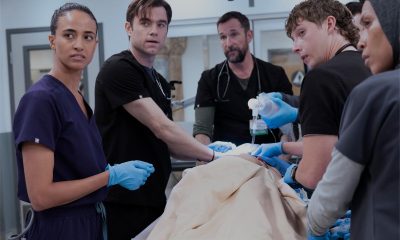

Patrick Ball broke down in tears while revealing how his role on “The Pitt” paid off his college debt. Ball...


After 26 years of partnership and 18 years of marriage to Rod Stewart, Penny Lancaster says she deserves a medal. In a...


Catherine O’Hara’s brother is opening up about the “Schitt’s Creek” star’s final days. On Sunday’s episode of his “Dreams of...


“Brady Bunch” star Mike Lookinland admitted his behavior was “fully off the rails” after finding mega stardom with “The Brady...


Savannah Guthrie returns to the “Today” show after more than two months as the search for her missing mother, Nancy...


Meghan Markle took to social media on Easter Sunday to share a series of adorable glimpses of her kids enjoying...


David Duchovny looked unrecognizable as he stepped out in a sequin skirt and a blond wig for a forthcoming movie....


“Summer House” stars Carl Radke and Lindsay Hubbard met up for an emotional reunion while indulging in Uber Eats. The...


Taylor Frankie Paul embarked on a family vacation with her two older kids — after losing temporary custody of her...


Paige DeSorbo and Hannah Berner are throwing their support behind their former “Summer House” co-star Ciara Miller after Amanda Batula...


Vanessa Trump subtly addressed her boyfriend Tiger Woods’ DUI arrest via Instagram on Friday. “Love you,” she wrote on her...


And the bride wore something blue. Zendaya arrived at the New York City premiere of “The Drama” on Thursday night...
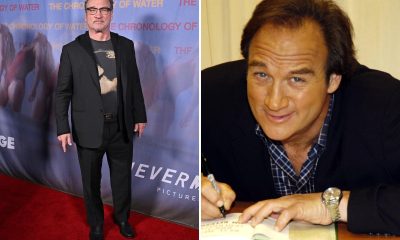

Jim Belushi has it all: success in a decades-long career, legions of friends in high and low places, and a...


Brooks Nader and Taron Egerton once again couldn’t keep their hands off each other during a date night in Santa...


Roseanne Barr received a stark diagnosis — a “damaged” heart — a warning that left her fearing she could “die on...


Kendra Duggar reveals she hired her own lawyer in a jail call with husband Joseph as new details emerge in...


Amanda Peet is pulling back the threadbare curtain on life underneath the spotlight. The 54-year-old actress called out Hollywood as nothing...


Taylor Swift declared Charlie Puth should be a bigger artist, and now she’s in luck. The musician is releasing new...


Just call them twins. Arnold Schwarzenegger’s look-alike son Joseph Baena proved the apple doesn’t fall too far from the tree...


Another Photoshop fail? Kim Kardashian was called out by fans for heavily editing her sister Khloé Kardashian’s face in new...


Martin Short wore a serious expression while stepping out in Santa Monica — his first public outing since his daughter...


Mary Cosby was questioned by authorities about her son Robert Cosby Jr.’s alleged domestic violence incident just weeks before his...
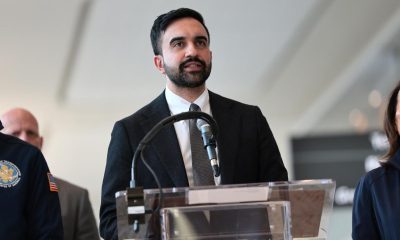

Mayor Zohran Mamdani almost made it onto New York’s most famed sketch show where the notably inexperienced politician could have...


Savannah Guthrie promised not to “fall apart” for the sake of her two children during her “Today” show interview on...


Antonio Banderas gave up his ritzy Hollywood lifestyle and has zero regrets almost 10 years later. The actor, 65, moved...


Former Pussycat Dolls member Jessica Sutta is speaking out after being excluded from the girl group’s upcoming reunion tour, saying...


Savannah Guthrie’s heart-wrenching “Today” interview with Hoda Kotb could leave her mom Nancy Guthrie’s kidnapper “terrified” as more eyes are...


Page Six may be compensated and/or receive an affiliate commission if you click or buy through our links. Featured pricing...
Trump administration sues UCLA, alleging antisemitic environment festered


2026 MLB Trade Deadline Rumors Tracker: SF Giants Shopping High-Priced Core
‘Lee Cronin’s The Mummy’ Comes to Digital, But When Will ‘The Mummy’ 2026 Be Streaming Free on HBO Max?


Heads up! Severe thunderstorm watch in effect until tonight
Knicks made a Donovan Mitchell adjustment the Cavaliers have no answer for


How to watch Giants vs. Athletics


The Mandalorian and Grogu star Pedro Pascal says his Star Wars character “knows” Baby Yoda “will outlive him,” so he’s “making sure” Grogu “can survive in a world without him”


Derek Chisora makes new early KO prediction for Tyson Fury vs Anthony Joshua: “That’s his problem”